Winter Endurance Competitors Catalog Binding Adjustments from Seasonal Logs to Refine Setups for Variable Snow Circuits in Nordic Skiing Events
Eden Schmidt · Aug 24, 2026
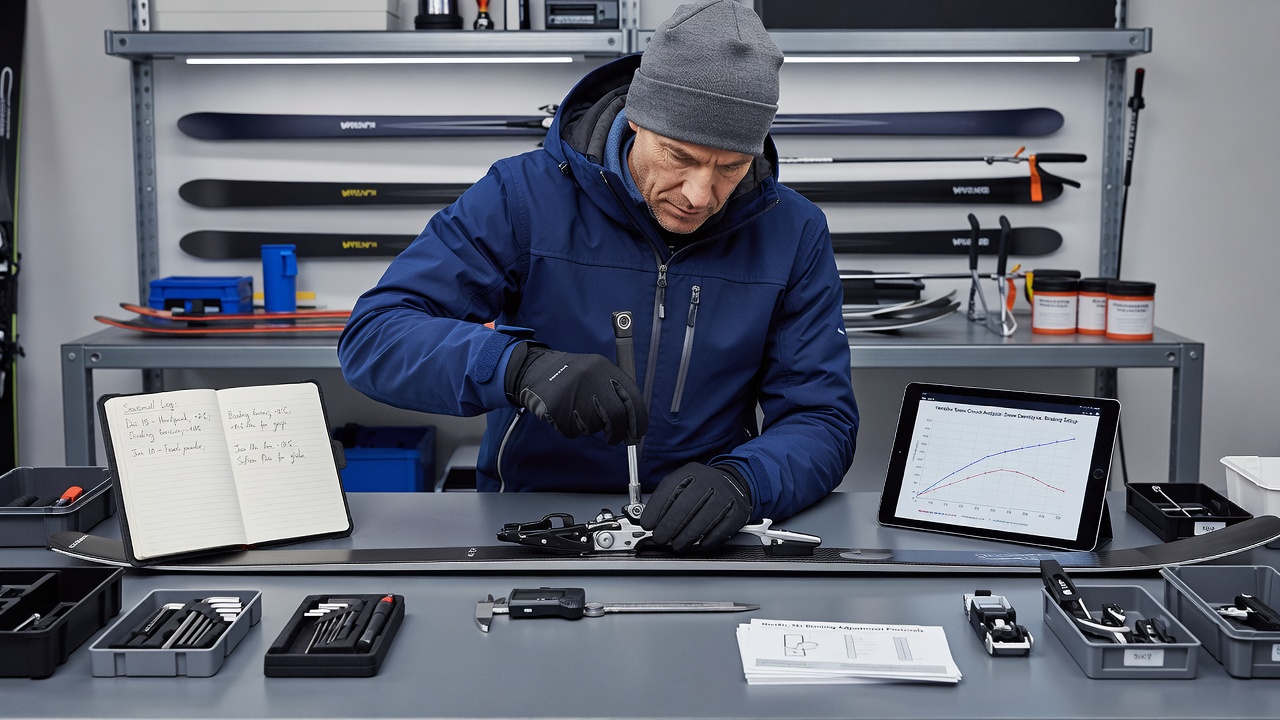
Winter Endurance Competitors Catalog Binding Adjustments from Seasonal Logs to Refine Setups for Variable Snow Circuits in Nordic Skiing Events
Competitors in nordic skiing events maintain detailed seasonal logs that track binding adjustments across multiple circuits, and these records allow teams to refine setups for changing snow conditions that range from packed powder to icy crusts. Data collected over successive winters shows how small shifts in binding position and tension influence glide efficiency and kick performance on trails that vary by region and elevation.
Seasonal Logging as a Core Practice
Endurance athletes and their support crews record every binding modification after each race or training session, noting factors such as snow temperature, moisture content, and circuit profile. These entries accumulate into databases that span several years, and analysts later cross-reference the information with performance metrics like split times and energy expenditure. Studies from sports research institutions indicate that consistent logging correlates with measurable improvements in setup consistency across events.
Technicians review previous season entries during the off-period months, and they compare adjustments made for similar snow profiles encountered in prior years. This process helps identify patterns where certain binding placements performed better on particular circuit segments. Teams often integrate weather station data alongside their own notes to build more complete profiles of how bindings interacted with snow surfaces under varying loads.
Refining Setups for Variable Snow Circuits
Binding adjustments typically involve forward or rearward shifts of a few millimeters along the ski, along with changes to heel and toe tension settings. Logs reveal that these modifications produce different outcomes depending on whether the snow is fresh and loose or heavily groomed and dense. Competitors who catalog these details over multiple seasons gain access to reference points that reduce trial-and-error during race weekends.

August 2026 serves as a key preparation window for many squads planning campaigns that extend into the 2026-2027 winter calendar. During this period, coaches and equipment specialists examine archived logs to anticipate snow conditions expected on circuits that host major endurance races. They simulate potential setups on test skis using historical data points collected from events held at comparable venues.
Regional variations add complexity because European circuits often feature different snow compositions than those in North America or Asia. Logs that include location-specific entries allow technicians to adjust bindings preemptively rather than reacting on site. Evidence from competition records shows that athletes who apply insights from these catalogs maintain more stable kick zones across changing weather patterns during multi-day stage races.
Integration with Performance Data and Equipment Standards
Performance tracking systems now interface directly with binding log databases, and software tools highlight correlations between setup changes and measurable outcomes such as stride length or power output. International governing bodies publish equipment guidelines that teams consult when interpreting their own records, ensuring adjustments remain within allowable parameters. One analysis released through academic channels linked systematic binding documentation to reduced equipment-related time losses in long-distance events.
Support staff also incorporate feedback from wax technicians and ski technicians, creating layered datasets that extend beyond bindings alone. These combined records help isolate which binding tweaks produced the largest effects when paired with specific wax choices. Observers note that teams maintaining the most comprehensive seasonal archives demonstrate greater adaptability when circuits experience rapid snow condition shifts mid-event.
Conclusion
Seasonal logging of binding adjustments supplies nordic skiing competitors with a factual foundation for optimizing equipment across variable snow circuits. Continued refinement of these catalogs supports consistent performance as athletes prepare for upcoming seasons, including the planning cycles that begin in August 2026. Data from multiple sources continues to inform how small, documented changes accumulate into meaningful advantages on endurance courses worldwide.