Weightlifters Analyze Barbell Knurling Patterns Through Group Discussions to Enhance Grip Security During Powerlifting Meets
Clara Neumann · Aug 26, 2026
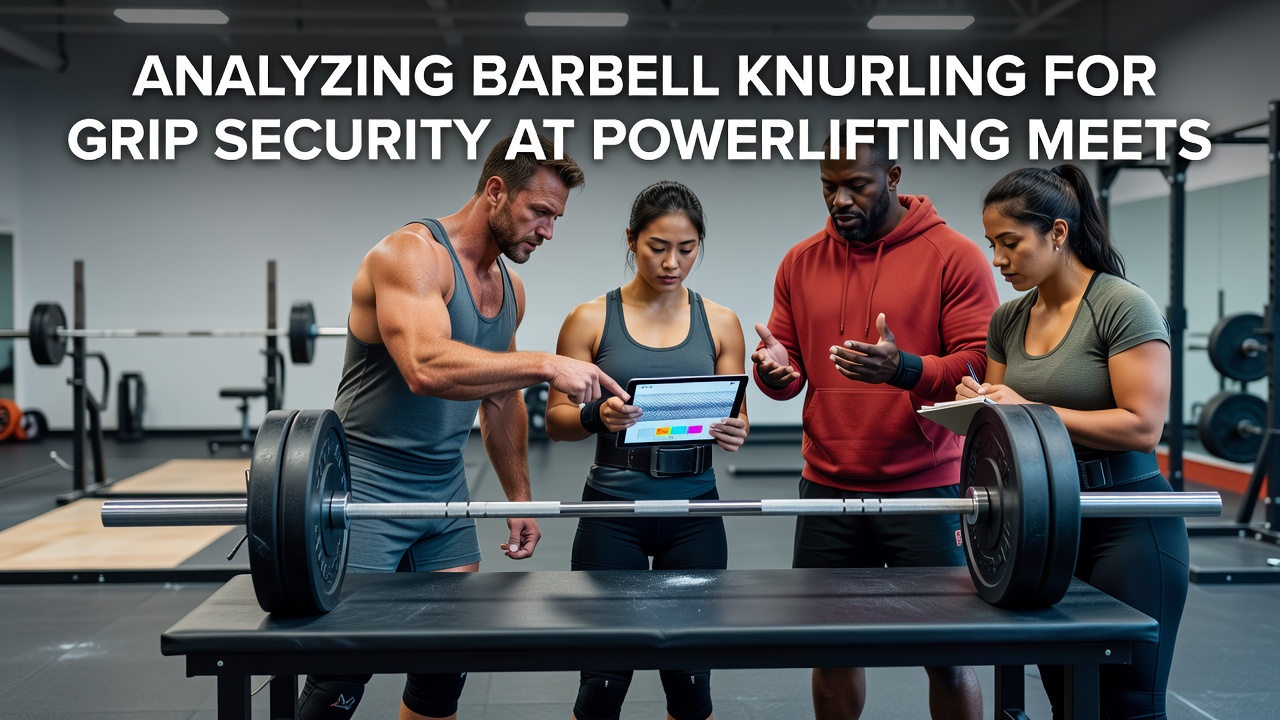
Weightlifters Analyze Barbell Knurling Patterns Through Group Discussions to Enhance Grip Security During Powerlifting Meets
Powerlifters gather in structured group discussions to examine barbell knurling variations, and these sessions focus on how different textures influence grip retention under heavy loads during sanctioned meets. Observers note that participants compare passive, medium, and aggressive patterns side by side, while they reference equipment specifications from manufacturers and competition standards set by governing bodies. Data from the International Powerlifting Federation shows that knurling depth and spacing directly affect hand contact points, yet lifters refine their selections through shared observations rather than individual trial alone.
Types of Knurling and Their Characteristics
Barbell knurling falls into categories defined by peak height and groove spacing, and manufacturers produce aggressive patterns with sharp peaks reaching 0.4 millimeters for deadlift bars while medium options sit around 0.3 millimeters for multi-purpose use. Researchers at the Australian Institute of Sport documented how spacing intervals between 0.8 and 1.2 millimeters alter friction coefficients, and athletes review these measurements in discussion forums to match bar specifications to lift types. One case involved competitors reviewing high-resolution images of competition bars ahead of regional qualifiers, and they identified how wider spacing reduced palm irritation yet maintained security during sumo pulls.
Group Discussion Formats and Analysis Methods
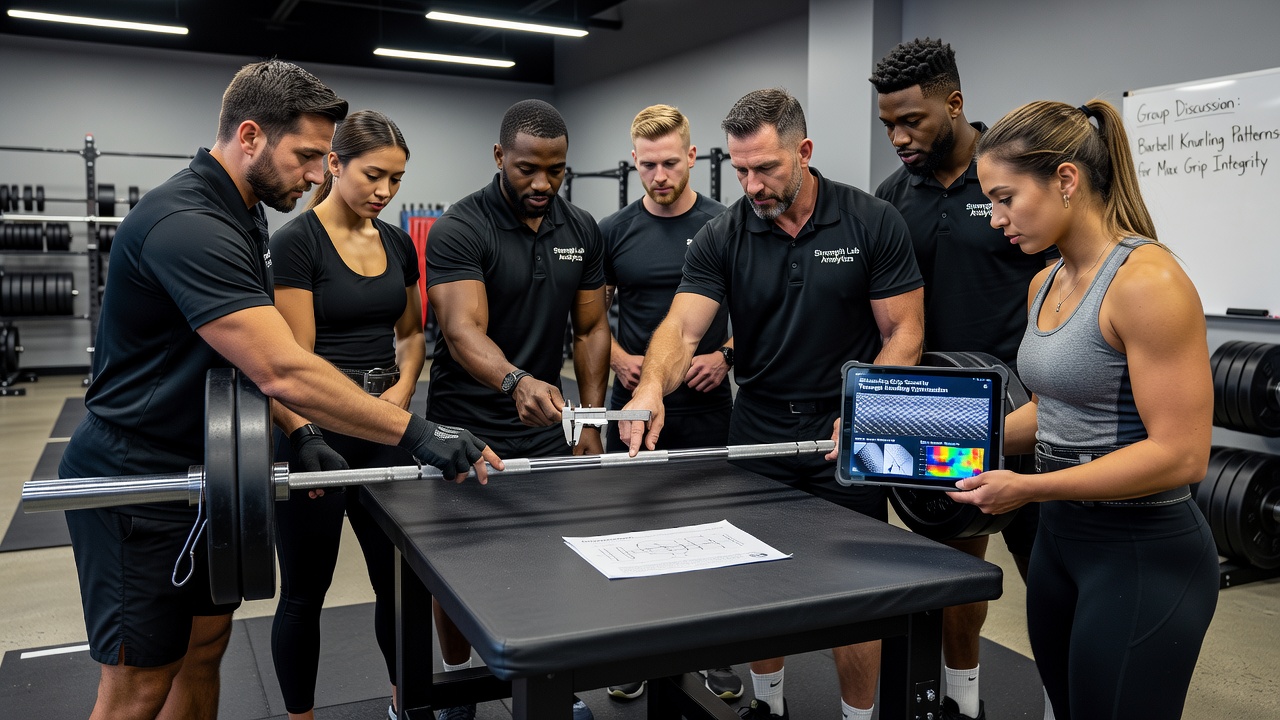
Meetups occur both online and at training facilities where participants project magnified bar photos onto screens and overlay measurements from digital calipers. Those who attend describe marking key contact zones on their hands with tape before comparing results against recorded lifts, and the process reveals consistent patterns across multiple sessions. Figures from the National Strength and Conditioning Association indicate that collective review reduces selection errors by highlighting variables such as humidity effects on metal expansion. Lifters exchange video clips of grip slippage captured at 240 frames per second, and they pause footage to isolate moments when knurling fails to engage under load.
Discussions frequently incorporate archived meet footage from past events, and participants cross-reference bar models used in record attempts with current equipment inventories. This approach allows groups to build databases of knurling performance across different bar brands, while they note environmental factors like temperature shifts that change surface grip during extended sessions. Evidence collected in these settings demonstrates that aggressive patterns hold better on chalked hands yet increase callus formation rates over repeated exposures.
Application to Powerlifting Competition Settings
During meets scheduled for August 2026, athletes apply insights from prior group analyses to select bars that align with platform conditions and lift requirements. Competition rules require bars to meet specific knurling standards, and federations enforce these through pre-event inspections that verify pattern consistency. Groups prepare by simulating meet environments in training halls, and they test multiple bars under timed conditions to replicate fatigue factors that emerge in later rounds. Shared logs from previous international events show that certain knurling configurations maintain security through five attempts when combined with proper hand positioning techniques.
Trainers facilitate sessions by compiling data sheets that list peak heights alongside reported grip failures, and athletes use these references to adjust grip width or chalk application before stepping onto the platform. The reality is that such preparation narrows variables that could otherwise lead to missed lifts at critical moments. Community archives from national championships further illustrate how knurling preferences shift based on body weight categories and lift specialization.
Outcomes Observed Across Multiple Seasons
Longitudinal tracking by regional powerlifting organizations reveals measurable improvements in attempt completion rates when lifters incorporate group-derived knurling data into equipment choices. Sessions held quarterly allow participants to update findings with new bar models entering the market, and they compare wear patterns after hundreds of training cycles. One documented series showed reduced grip adjustments mid-set following targeted pattern reviews, while another highlighted how specific spacing helped competitors manage heavier eccentric phases in bench press movements.
These collaborative efforts extend beyond single meets and influence equipment procurement decisions for clubs preparing squads for larger tournaments. Data compiled across seasons indicates that bars with uniform knurling across the full grip area perform more predictably under varying hand moisture levels. Participants continue refining protocols by incorporating feedback from judges and spotters who observe grip behavior from multiple angles during actual competitions.
Conclusion
Group discussions centered on barbell knurling patterns provide structured pathways for powerlifters to enhance grip outcomes at meets, and the process integrates technical measurements with practical lift data. Organizations maintain records that support ongoing refinement, and athletes access these resources to inform selections ahead of major events including those planned for August 2026. Continued analysis through collective review sustains equipment standards that align with performance demands across competitive platforms.