Volleyball Net Tension Tweaks Reshaping Jump Serve Strategies Before Regional Events
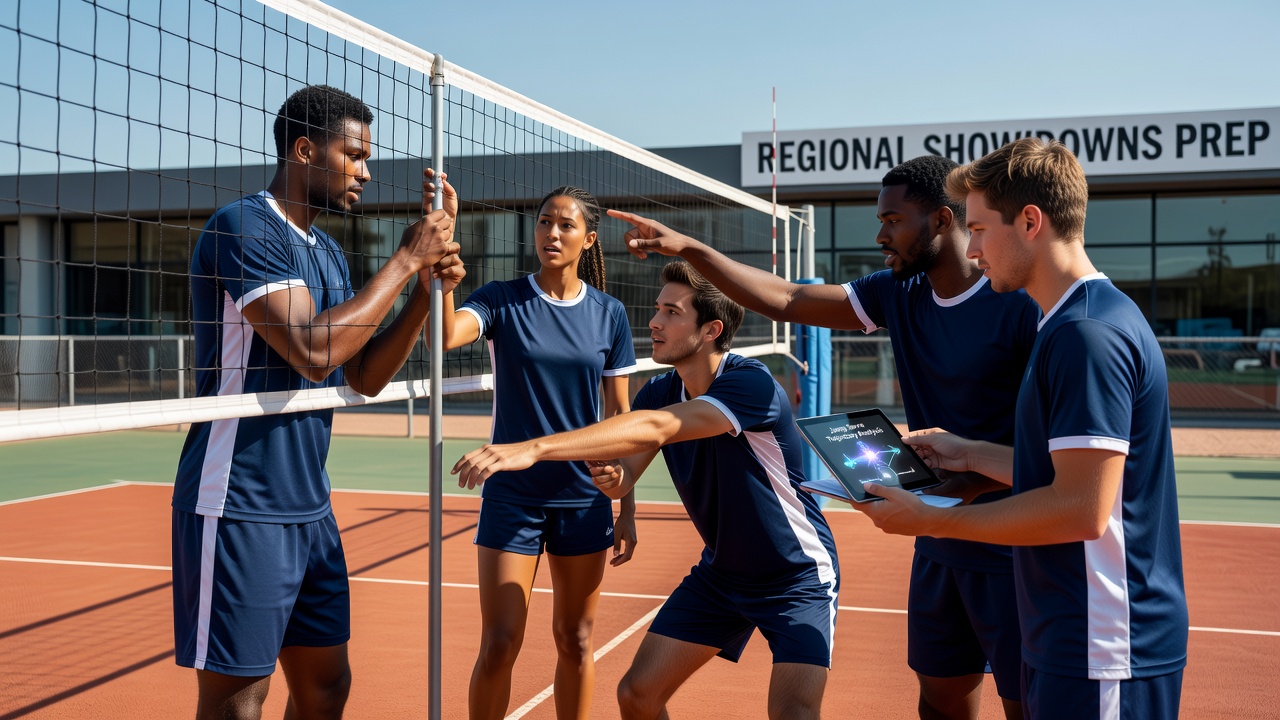
Players across various leagues have begun sharing observations on net tension adjustments, and these conversations are influencing how athletes refine their jump serves in preparation for upcoming regional competitions. Standard net specifications set by governing bodies remain consistent, yet minor variations in cable tension create subtle differences in ball rebound and flight paths that servers must account for during training cycles.
Understanding Net Tension Mechanics in Competitive Play
Volleyball nets feature upper and lower cables that teams tension according to equipment guidelines, and data from equipment manufacturers shows that even small deviations alter the net's responsiveness when a served ball makes contact. According to reports from the FIVB technical commission, tension levels typically range between specific Newton measurements to maintain fair play, but players note that regional venues sometimes present slight inconsistencies due to installation variables. Those adjustments become relevant when athletes practice jump serves that rely on precise timing and spin to clear the net at high velocities.
Research conducted by sports engineering groups in Australia has documented how increased top cable tension reduces net sag, which in turn affects the margin of error for serves that skim close to the tape. Athletes preparing for June 2026 regional showdowns have started incorporating tension checks into their pre-event routines, using portable measurement tools to replicate competition conditions during practice sessions.
Player Discussions Driving Adaptation Techniques
Community forums and training workshops have hosted exchanges where servers describe how they modify approach angles and arm swings based on observed net behavior. One documented case involved a group of collegiate athletes who tested serves across nets with differing tension settings and recorded measurable changes in success rates for float serves versus topspin variations. These shared findings circulate through coaching networks, prompting broader groups to experiment with stance adjustments that compensate for altered ball trajectories.
What's notable is the way these tweaks intersect with individual biomechanics, as taller players often report needing less modification compared to shorter athletes who rely more on arc precision. Studies from Canadian university kinesiology departments indicate that consistent exposure to varying net conditions improves proprioceptive awareness, allowing servers to recalibrate mid-routine without disrupting their kinetic chain. Teams heading into regional events have integrated such data into video analysis sessions, where footage from past matches highlights tension-related patterns in serve outcomes.
Impact on Jump Serve Execution and Training Regimens
Jump serves demand explosive vertical lift combined with controlled wrist action, and net tension plays a direct role in determining whether a ball dips just over the tape or sails long. Observers at training facilities have seen athletes shorten their run-up steps or alter knee drive when practicing on tighter nets, since the reduced give changes the immediate feedback after contact. Data collected during simulated match scenarios shows that players who adapt early maintain higher serve percentages once they reach competition venues.
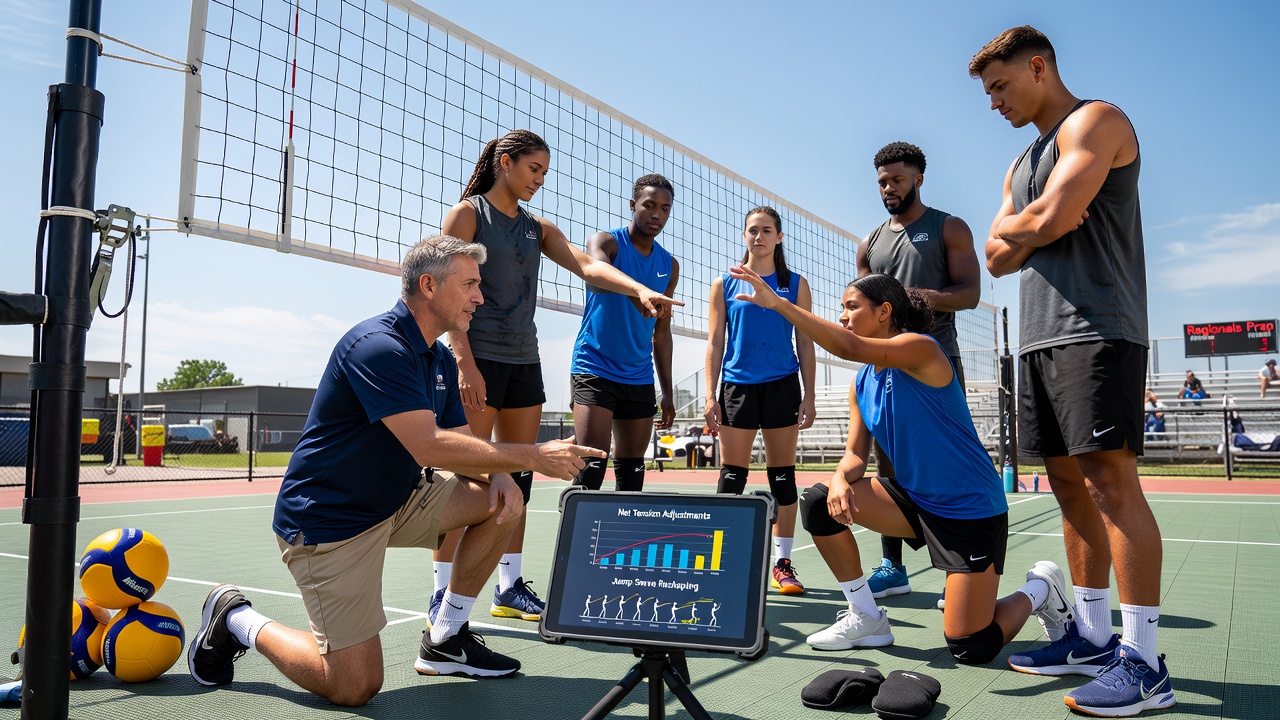
Coaches have responded by incorporating tension-variable drills into weekly schedules, rotating between standard and modified setups to build versatility. European sports performance centers have published findings that link these varied exposures to reduced injury risk in the shoulder and lower back, since athletes learn to distribute force more evenly across different conditions. As regional events in June 2026 approach, several squads have scheduled dedicated sessions focused solely on serve adaptation, drawing from collective insights shared among players in similar competitive brackets.
Regional Showdown Preparations and Equipment Considerations
Event organizers for upcoming regional tournaments maintain equipment standards aligned with international protocols, yet player-led discussions emphasize the value of advance site visits to assess actual net setups. Teams that arrive early often spend initial practice time mapping tension levels and adjusting serve strategies accordingly, a practice that has gained traction following shared accounts from prior seasons. Manufacturers now supply calibration guides alongside nets, allowing staff to fine-tune cables more precisely and reduce variability between courts.
Analyses of serve statistics from recent tournaments reveal correlations between pre-event tension familiarization and improved point-scoring efficiency on serves. Athletes who participate in these preparation phases demonstrate steadier performance metrics, particularly in high-pressure sequences where serve errors can shift momentum. Training logs maintained by regional clubs document how these adaptations evolve over multiple sessions, with players gradually refining footwork and release points to match venue-specific characteristics.
Conclusion
Discussions around net tension continue to shape how jump serve techniques develop ahead of major regional competitions, with athletes drawing on shared experiences and supporting data to refine their approaches. As June 2026 events draw nearer, these preparatory adjustments remain a practical element of training that connects equipment details with on-court execution. The patterns emerging from player exchanges suggest that systematic attention to such variables supports consistent performance across diverse playing environments.