Track Cyclists Examine Chainring Tooth Profiles Through Shared Community Logs to Refine Gear Ratios Ahead of Velodrome Competitions
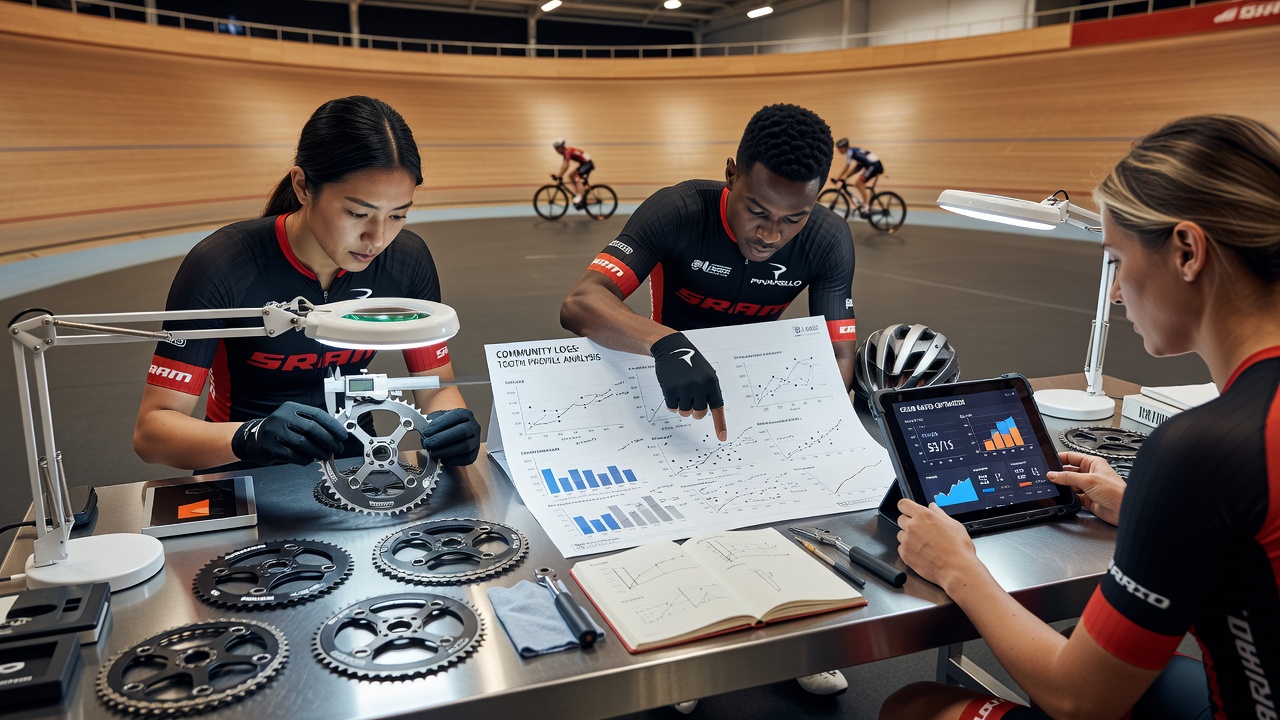
Track cyclists have long relied on precise mechanical adjustments to gain marginal advantages during high-speed velodrome races, and recent patterns show growing dependence on community-shared logs that document chainring tooth profiles in detail. These logs compile measurements of tooth wear patterns, engagement angles, and material degradation collected from multiple riders across various track surfaces, allowing athletes and mechanics to identify optimal configurations before major meets.
Community platforms dedicated to track cycling have accumulated thousands of entries since the mid-2010s, with contributors uploading close-up photographs alongside torque readings and chain slip observations recorded after training sessions or competitions. Analysts note that tooth profile variations as small as 0.2 millimeters can alter power transfer efficiency by measurable percentages, prompting riders to cross-reference their own equipment against aggregated datasets from similar track conditions.
Understanding Chainring Tooth Profiles in Track Cycling Contexts
Chainring tooth profiles refer to the geometric shape and surface characteristics of individual teeth on the front chainring, which directly influence how the chain engages during each pedal stroke. In track cycling, where fixed-gear setups eliminate freewheeling and demand constant tension, even minor deviations in tooth curvature or height affect chain retention and frictional losses. Data compiled from European velodromes indicates that profiles with slightly rounded leading edges tend to reduce chain vibration at cadences above 110 revolutions per minute, while sharper profiles maintain better grip during standing starts.
Mechanics frequently measure these profiles using digital calipers and laser scanners before uploading results to shared repositories, creating chronological records that track how specific chainring models perform over repeated high-intensity sessions. Such records reveal consistent trends, for instance showing that certain aluminum alloys maintain tooth integrity longer under the sustained loads typical of team pursuit events compared with steel alternatives.
Leveraging Community Logs for Gear Ratio Optimization
Optimization begins when cyclists query community databases for logs matching their target gear ratios, often expressed as the number of teeth on the chainring divided by those on the rear cog. Riders preparing for kilometer time trials might filter entries from athletes who competed on 48-tooth chainrings paired with 14-tooth cogs, then examine associated tooth profile data to predict how wear might shift effective gearing mid-race. This cross-referencing helps determine whether a proposed setup will sustain consistent engagement after 20 or more laps at peak power output.
One documented case from Australian domestic series participants demonstrated how analysis of 150 logged sessions led to a 0.8-tooth adjustment in effective chainring size after patterns showed accelerated wear on drive-side teeth during events exceeding 4 minutes in duration. The adjustment compensated for expected profile changes without requiring mid-competition equipment swaps.
Preparation Timelines and Velodrome Meet Considerations
As athletes gear up for international calendars that include events scheduled through June 2026, many teams integrate community log reviews into their standard pre-competition protocols four to six weeks beforehand. This timeframe allows sufficient iterations of testing and refinement while accounting for the time needed to source or machine custom chainrings based on profile insights. Logs from previous world championship venues prove especially valuable because they capture track-specific factors such as surface texture and banking angles that influence chain loading patterns.
National federations have begun encouraging standardized logging formats to improve data interoperability across borders, resulting in larger sample sizes that strengthen statistical confidence in observed correlations between tooth profiles and gear performance metrics. Riders report accessing these expanded datasets through moderated forums where entries undergo verification for measurement accuracy before publication.
Technical Tools and Analytical Approaches
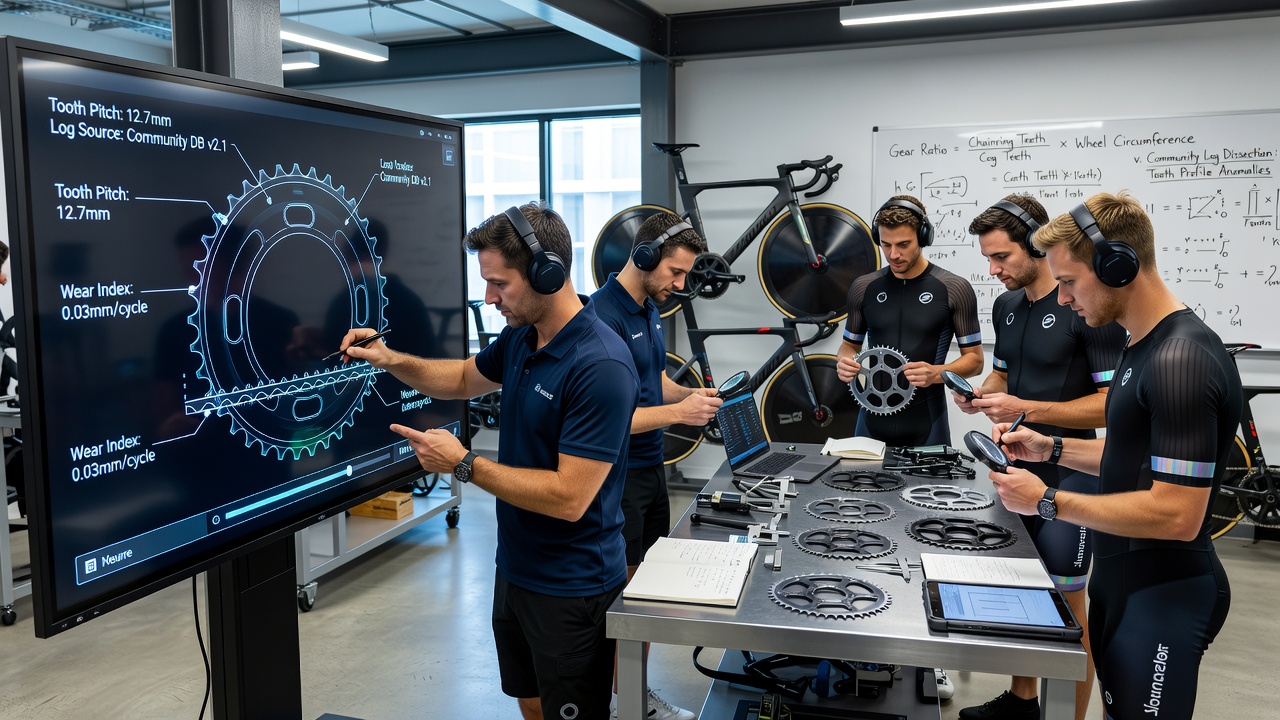
Software applications designed for cycling data analysis now incorporate modules that process community-uploaded chainring images, automatically extracting tooth angle and wear metrics for comparison against user-specified gear targets. These tools generate visualizations highlighting potential mismatch zones where profile degradation could cause chain skip under load, enabling proactive adjustments. Studies conducted at sports engineering laboratories have validated several of these automated extraction methods against manual measurements, confirming reliability rates above 92 percent for common track chainring materials.
Mechanics combine outputs from these platforms with real-time sensor data collected during velodrome testing sessions, creating layered datasets that link static profile characteristics with dynamic performance variables such as instantaneous power delivery and chain tension fluctuations.
Conclusion
Community-driven examination of chainring tooth profiles continues to shape how track cyclists approach gear ratio decisions in advance of velodrome competitions. Aggregated logs provide empirical foundations for adjustments that align equipment characteristics with anticipated race demands, while ongoing contributions expand the collective knowledge base available to riders worldwide. As preparation cycles intensify ahead of 2026 fixtures, these analytical practices remain integrated into equipment workflows across competitive levels.