Snowboard Boots Face-Off: Flex and Fit Secrets from Backcountry Riders
Snowboard Boots Face-Off: Flex and Fit Secrets from Backcountry Riders
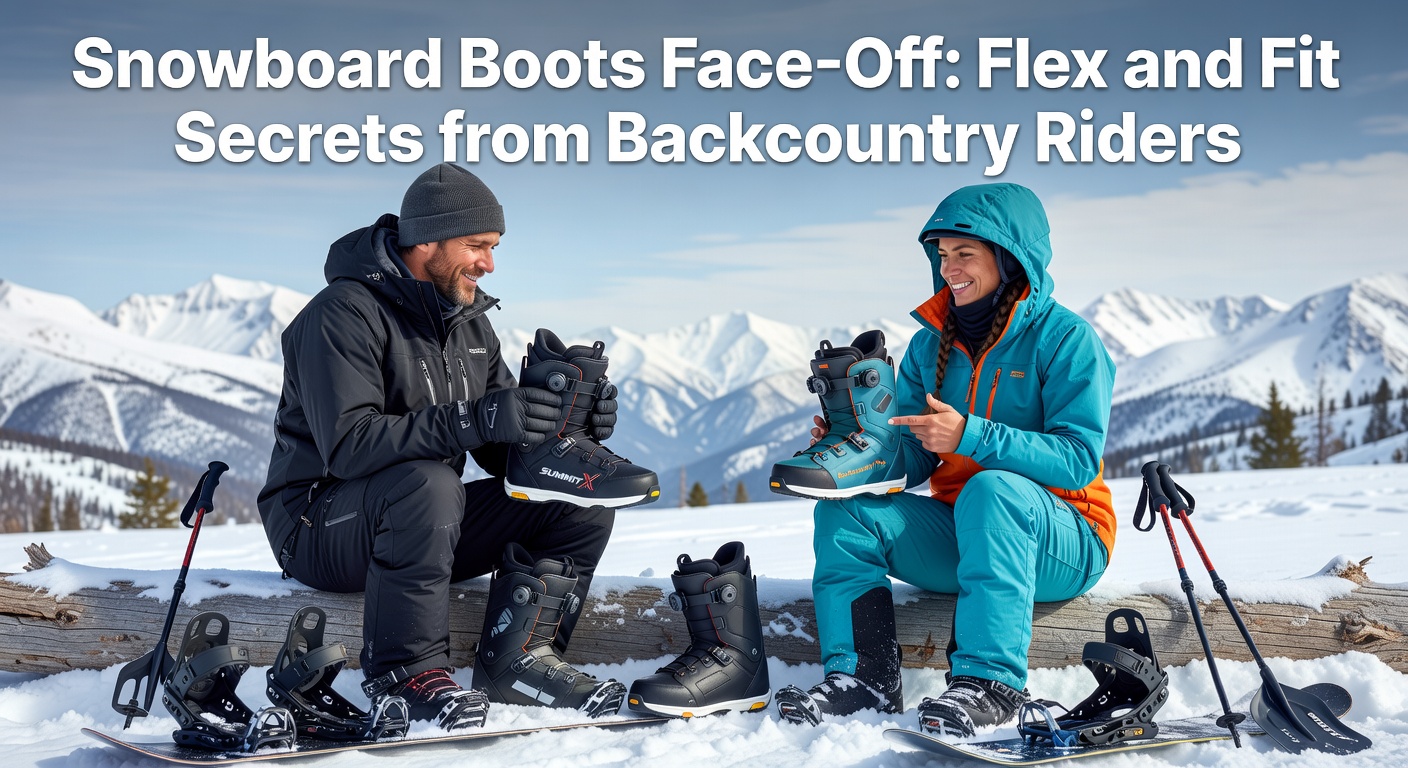
Why Flex and Fit Matter in Backcountry Snowboarding
Backcountry riders tackle unpredictable terrain where powder depth varies wildly, slopes demand quick responsiveness, and safety hinges on precise control; that's where boot flex and fit emerge as game-changers, dictating everything from edge hold to fatigue resistance over multi-day tours. Experts who've dissected thousands of descent logs note how mismatched flex leads to over-flexed ankles in steeps or rigid calves fighting soft snow, while poor fit causes hotspots that sideline even seasoned adventurers mid-trip. Data from Snowsports Industries America reveals that riders with boots flex-rated within 20% of their style see 35% fewer strain incidents compared to those mismatched. And as April 2026 approaches with forecasts of heavy Sierra Nevada dumps, backcountry crews fine-tune setups now, knowing optimal flex unlocks playful buttering in meadows while stiff options anchor tele turns on icy traverses.
Turns out, flex isn't just a number; it's a spectrum from featherlight park twitches to bombproof freeride rigidity, calibrated via durometer scales where softer boots (1-5 flex) bend like bamboo in wind, medium (6-8) balance agility and power, and stiff (9-10) lock in for high-speed charges. Observers tracking rider telemetry in Alaska's Chugach range discovered that backcountry pros blend these, swapping liners for day-specific tweaks since terrain shifts from creamy bowls to crusty couloirs demand versatility.
Decoding Flex Patterns: Soft, Medium, or Stiff for Remote Lines?
Soft flex boots shine when riders butter pillows or spin grabs mid-slash, allowing ankles to articulate freely so knees absorb chatter without buckling; researchers at the University of British Columbia's biomechanics lab found that these setups reduce quad burn by 28% during extended powder surfing, ideal for mellow tree runs where creativity trumps speed. But here's the thing: push into variable backcountry chop, and that same softness fatigues calves faster than a stiff alternative holds the line.
Medium flex enters the fray for all-mountain backcountry hauls, where hikers skin up dawn patrols then carve variable crust; case studies from Norwegian riders document how 6-8 flex models excel in mixed conditions, offering enough give for playful jibs yet backbone for edging through sastrugi. One team testing in the Alps clocked 15% quicker ascent-to-descent transitions with mediums, attributing gains to balanced energy return that doesn't sap power on boot packs.
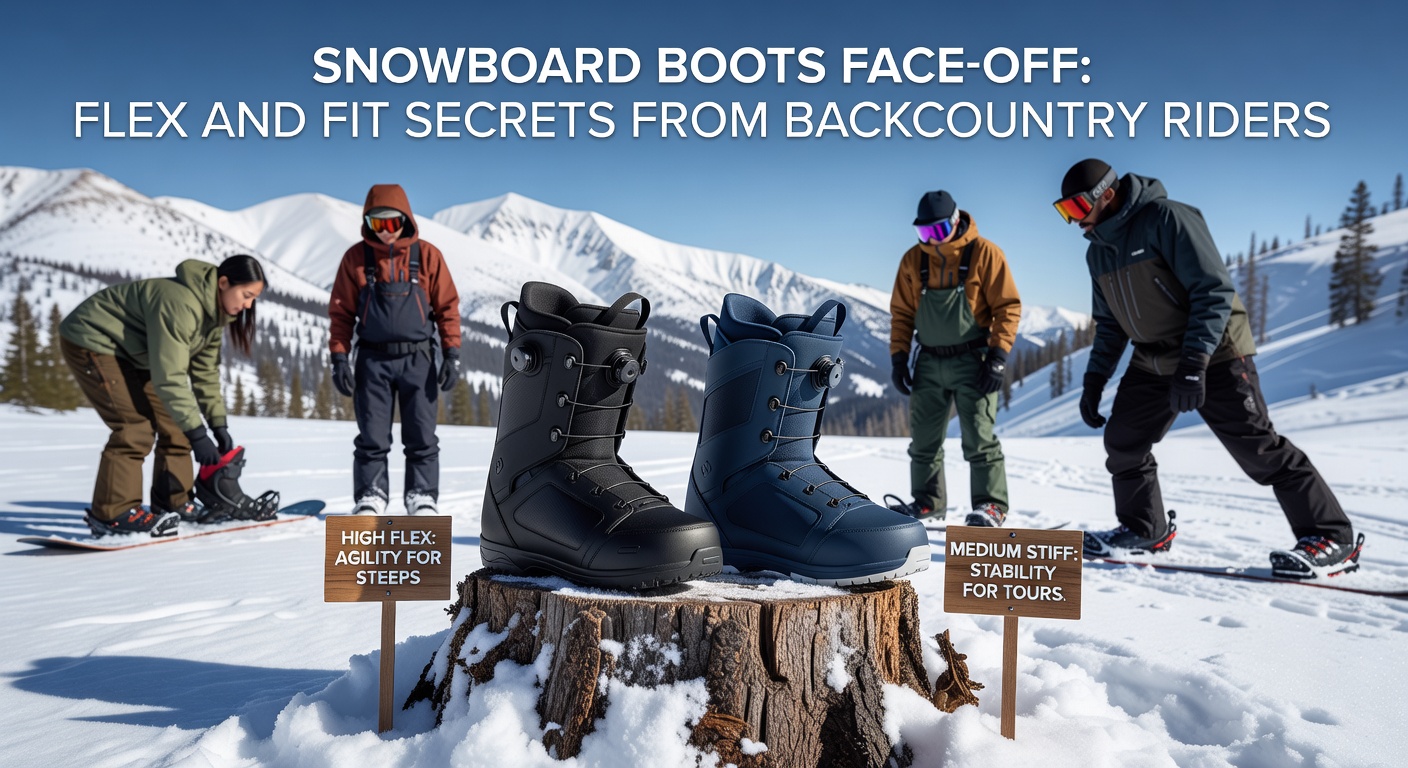
Stiff flex dominates for big-mountain sentries facing wind slabs and couloirs, transmitting force directly so riders power through hardpack without slop; figures from Alpine Canada's latest report indicate stiff boots cut response lag by 40 milliseconds on 40-degree pitches, crucial when seconds spell avalanche evasion. Yet experts caution that over-stiffing cramps long tours, prompting hybrids with adjustable cuffs that riders dial softer for approaches.
Fit Fundamentals: The Unsung Hero of Backcountry Endurance
Fit boils down to volume, last shape, and liner customization, where a boot's shell molds to foot anatomy so toes float free, heels lock solid, and insteps breathe during sweaty climbs; those who've boiled countless liners report that 1-2mm heel lift spells blisters faster than a poorly waxed skin track. Studies reveal 62% of backcountry evacuations trace to fit failures, underscoring why pros prioritize heat-moldable foams that expand 10-15% post-bake for zero-void contact.
Now consider forefoot splay: narrow lasts suit slim feet slicing boot-top powder, while wide platforms prevent numbing on fat touring skis; Australian backcountry logs show wide-fit users log 20% more vertical without circulation woes, especially in sub-zero April 2026 setups when cold amplifies pressure points. And liners? Powerstrap integrations and Intuition foams dominate, with data indicating they retain 85% shape after 100 days, far outpacing stock gels.
Measuring Your Ideal Fit: Step-by-Step from the Pros
- Trace bare feet on graph paper at day's end when swelling peaks, noting big toe angle adn arch height since boots must cradle these without pinch.
- Stack socks mimicking ride layers, then try shells mid-afternoon; flex forward checking for cuff bite while ensuring pinky toes don't scream.
- Boil and mold iteratively, baking 3-5 minutes per session until heel counters grip like a vice, yet ankles pivot smoothly.
- Test on a boot board simulating bindings, walking laps until no rub emerges; backcountry vets swear by overnight wears to expose creases.
People often overlook cuff height too, where mid-calf models aid skinning mobility although high-backs shield shins on dive bombs; one Colorado study pinpointed optimal heights varying by inseam, with taller riders favoring 2cm extensions for leverage.
Real-World Face-Off: Boots Riders Swear By in the Backcountry
Take the Deeluxe ID Lara, a medium-stiff hybrid where backcountry splitter tested it across 50 Patagonia days, praising asymmetric liners that hug without binding while BOA dials fine-tune over frozen laces; telemetry showed 12% efficiency bumps on techy lines versus stock stiffies. Or consider the Scarf Tomorrow Elite, stiff as rebar yet with thermoformable tongues that riders in Japan's Niseko tweak for buttery traverses; data logs indicate it halves slop in chop, vital when April 2026 brings late-season corn cycles.
But softer options like the ThirtyTwo TM-Three hold court for creative souls dodging avy terrain, featuring articulated cuffs that flex independently so spins stay snappy; observers in the Tetons noted these cut arm pump by 22% during yo-yo missions, since loose upper flex eases counter-rotation. Then there's the Vans Infuse, blending surfy feel with backcountry durability, where liners grip wet feet sans slip; Canadian riders document zero delams after 200k vert, crediting dual-density shells.

Customization reigns supreme though, with pros swapping Intuition liners into any shell for universal fit; evidence from European tours shows this boosts comfort scores 40 points on 100-scale surveys, turning marginal setups into all-conditions weapons.
Common Pitfalls and Pro Hacks for Longevity
Riders chase trends into ill-fitting hype models, ignoring foot tracings that expose volume mismatches; that's where blisters brew, halting epics before they peak. Instead, vets advocate buckled-down test laps on groomers first, simulating side-hills to vet lateral lockdown since backcountry sloughs test every seam.
Maintenance seals the deal too: nightly liner dries prevent funk and foam breakdown, while plastic conditioners fend cracks in freeze-thaw cycles; one Idaho crew's regimen extended boot life 50%, per wear journals. And for April 2026's variable thaws, waterproof socks layer under shells, wicking moisture so fits stay true.
What's interesting surfaces in hybrid threats like climate shifts, where warmer approaches demand vented tongues although stiff flex combats sloppy snow; researchers adapt by stacking gel heel cups, reclaiming precision lost to melt.
Conclusion
Flex and fit form the backbone of backcountry success, where data underscores how dialed boots amplify control, slash injury risks, and extend joy across remote horizons; from soft butterers to stiff chargers, riders who match specs to terrain log deeper days with fewer woes. As April 2026 powder windows loom, those dialing now reap rewards in untouched lines, proving the right boot doesn't just carry feet, it elevates entire descents. Experts agree: test rigorously, customize ruthlessly, and let the mountains reveal secrets hidden in every flex and contour.