Sailors Log Winch Handle Ergonomics Through User Forums to Refine Tacking Sequences in Fleet Racing Events
Eden Schmidt · Aug 31, 2026
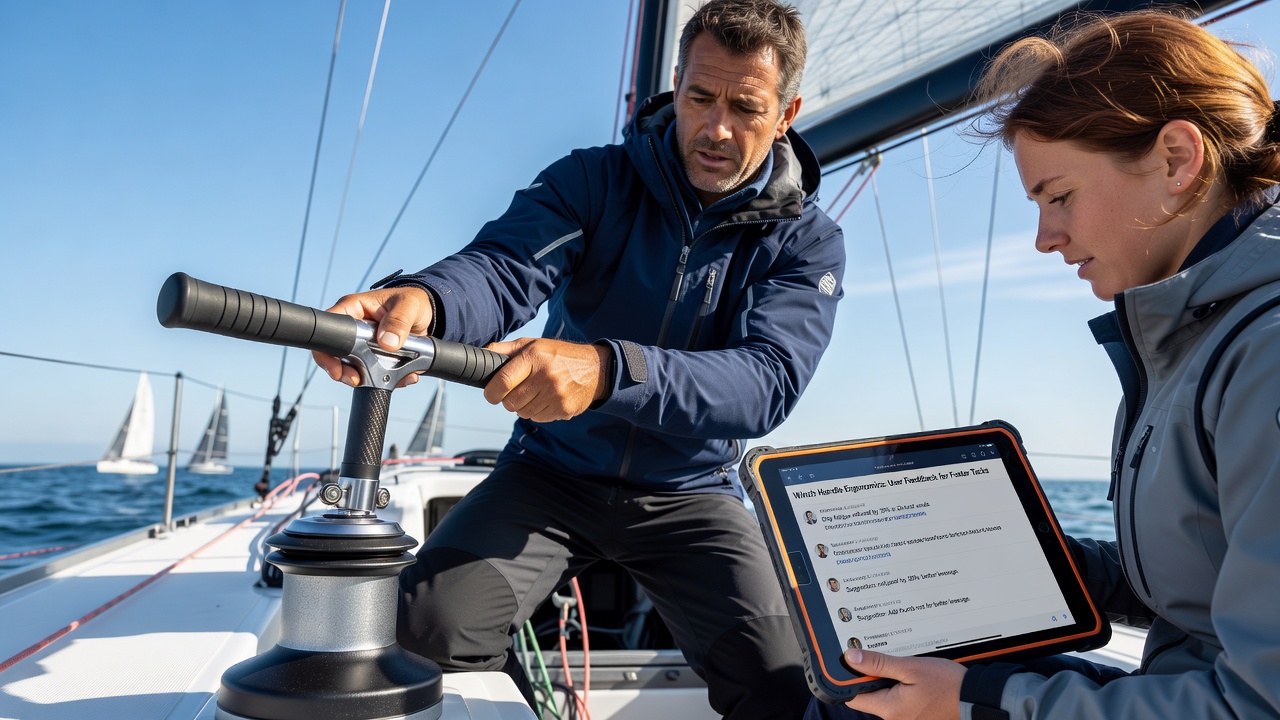
Sailors Log Winch Handle Ergonomics Through User Forums to Refine Tacking Sequences in Fleet Racing Events
Competitive sailors have turned to online forums and shared databases to record details about winch handle shapes, grip diameters, and lever lengths, and these logs feed directly into adjustments for tacking sequences during fleet races where every second counts in coordinated maneuvers. Crews compile measurements from multiple boat classes, noting how handle contours affect torque application and wrist positioning when grinding under load, while patterns emerge across hundreds of entries that highlight consistent preferences for certain ergonomic profiles in high-wind conditions.
Data Collection Patterns Across Sailing Communities
Forum threads organized by boat type and region gather quantitative entries such as handle circumference, material composition, and reported fatigue times, allowing analysts to cross-reference these figures with tacking duration logs recorded during regattas. Participants upload photographs and annotated diagrams alongside performance timestamps, creating searchable archives that researchers at institutions like those affiliated with Sail Canada have referenced when studying crew efficiency metrics. Observers note that entries often include environmental variables such as sea state and wind angle, which helps isolate ergonomic factors from external influences during sequence refinements.
One documented case involved crews from multiple J/70 fleets who aggregated data over two seasons and identified that handles with oval cross-sections reduced grip slippage during rapid clockwise-counterclockwise switches, leading several teams to standardize equipment ahead of regional qualifiers. These shared datasets also track handle length variations, showing that shorter levers paired with higher gear ratios produced faster winch revolutions in moderate winds while longer options maintained better leverage in heavier air.
Impact on Tacking Sequence Optimization
Tacking sequences rely on synchronized winch operations where the timing of sheet release, grind initiation, and trim completion determines overall boat speed retention, and forum-derived ergonomic insights allow crews to test handle configurations that minimize transition delays. Data from archived logs indicate that handles with contoured palm rests correlate with lower reported muscle strain after repeated tacks, enabling sustained performance across multi-race days. Fleet organizers have incorporated these findings into equipment guidelines for events scheduled in August 2026, where standardized handle options may reduce variability in recorded maneuver times.
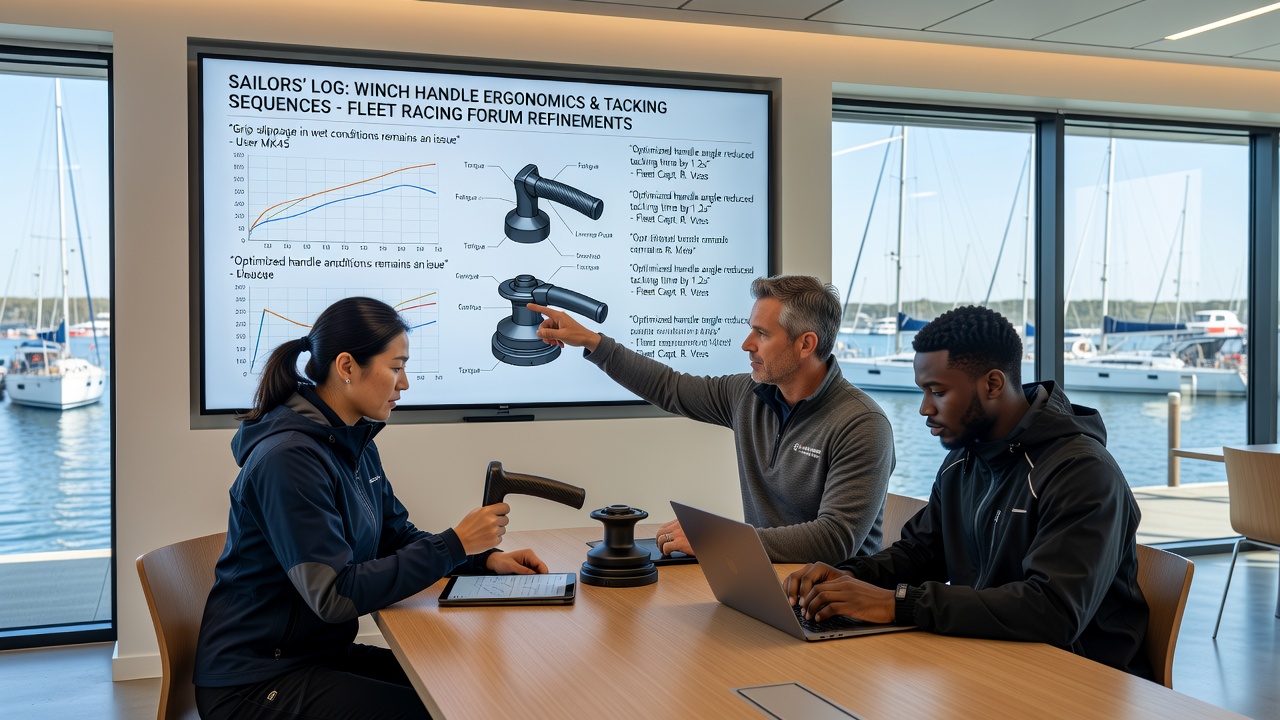
Analysis of forum contributions reveals that crews frequently compare handle swap times and post-tack boat acceleration figures, with several threads documenting how specific grip textures improve purchase when hands are wet from spray. Those who've studied these records observe that teams using matched handle pairs across port and starboard winches achieve more consistent rotation speeds, which directly shortens the overlap phase when both jib and main sheets require simultaneous attention. Such refinements appear in training logs that link particular ergonomic setups to measurable reductions in elapsed tacking intervals.
Forum Structures and Verification Methods
Moderated sections on established sailing platforms require contributors to supply boat class, handle manufacturer specifications, and video timestamps, creating traceable records that other users can replicate during practice sessions. Cross-verification occurs through side-by-side comparisons uploaded by different crews, and statistical summaries generated from these entries highlight trends such as preference shifts toward rubberized grips in tropical regattas versus knurled metal surfaces in cooler climates. Australian Sailing has published summaries drawn from similar community archives, illustrating how aggregated ergonomic data influences fleet-level equipment standards without prescribing individual choices.
Longer forum discussions often break down the biomechanics of winch operation, detailing how forearm pronation angles change with handle diameter and how these alterations affect the speed of the final trim pull once the sail fills on the new tack. Entries include before-and-after sequence diagrams that map winch crank counts against boat heading changes, providing visual aids for crews planning adjustments prior to major competitions.
Future Applications in Fleet Racing Preparation
As more sailors contribute to these evolving databases, the accumulated records support predictive modeling of tacking performance across different wind ranges and crew sizes, with particular attention paid to how handle ergonomics interact with powered winch systems on larger yachts. Organizers preparing for August 2026 events have begun requesting anonymized summaries from forum administrators to inform class rules discussions, focusing on measurable outcomes rather than subjective preferences. The process continues to expand as new participants add entries from diverse geographic regions, strengthening the overall dataset available for sequence refinement.
Conclusion
Shared logging of winch handle ergonomics through user forums supplies concrete data that crews apply to tacking sequence adjustments in fleet racing, with documented patterns guiding equipment selections and training protocols. The resulting archives continue to grow through structured contributions that emphasize verifiable measurements and performance timestamps, supporting ongoing refinements ahead of upcoming competitions.