Rowers Track Seat Roller Friction Variations from Training Sessions to Enhance Power Transfer in Shell Competitions
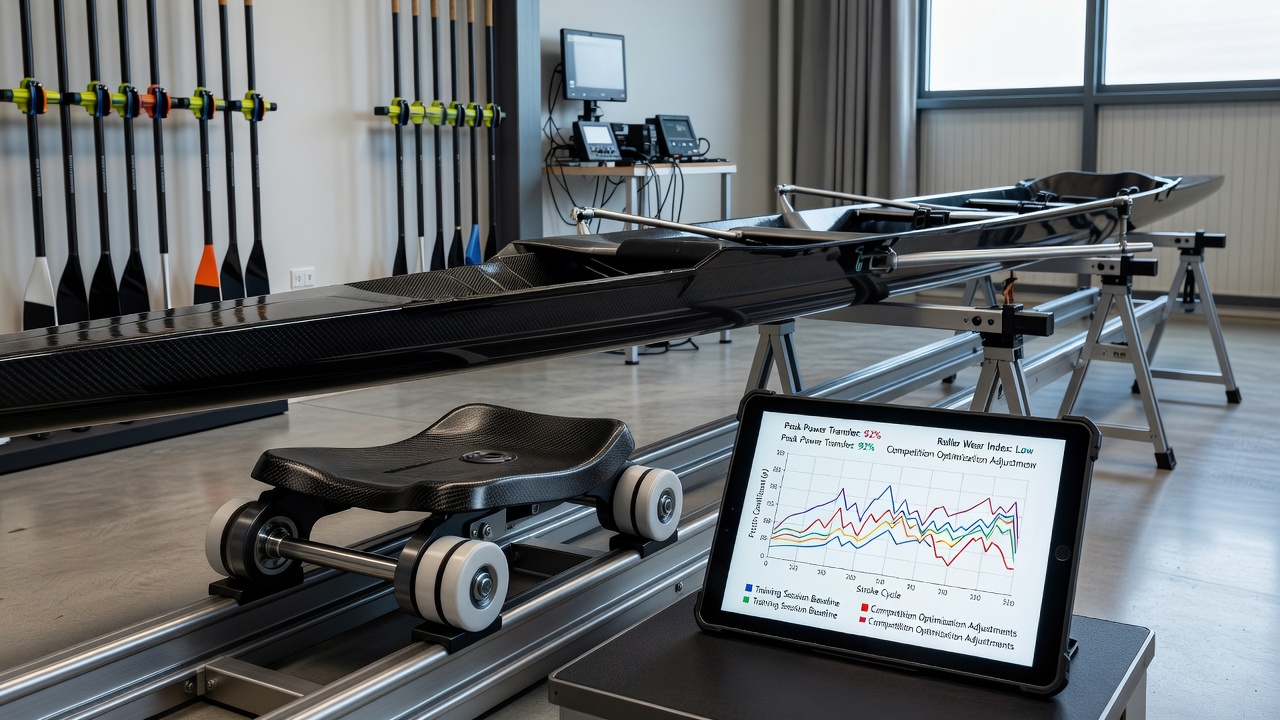
Rowing shells rely on precise mechanics where seat rollers move along tracks to convert leg drive into forward propulsion, and friction levels at these contact points shift noticeably between controlled training environments and high-stakes race conditions. Athletes and support crews monitor these variations because even small changes affect how efficiently force travels through the boat system. Data collected from instrumented shells shows that training sessions often produce higher baseline friction readings due to repeated low-intensity strokes and variable body positioning, whereas competition setups demand lower and more consistent values to maximize power delivery during explosive starts and sustained racing cadences.
Mechanics of Seat Roller Systems in Modern Shells
Seat rollers consist of paired wheels mounted on a sliding seat that travels along two parallel tracks fixed to the hull. Manufacturers use materials such as sealed bearings and low-friction polymers to reduce energy loss, yet real-world conditions introduce variables including temperature, moisture accumulation, and microscopic debris. Researchers at the Australian Institute of Sport have documented how roller-track interfaces respond to these factors through embedded sensors that record force and displacement during both steady-state rowing and interval work. Their measurements indicate that friction coefficients can rise by 12 to 18 percent after 45 minutes of continuous training on indoor tanks compared with initial dry conditions.
Coaches adjust roller preload and lubrication schedules based on these readings. In one documented protocol from a national training center, crews performed 2000-meter time trials while technicians recorded roller resistance at 500-meter intervals. The resulting graphs revealed that friction spikes correlated with increased seat velocity during the drive phase, prompting teams to recalibrate track alignment before transitioning to on-water sessions.
Training Data Collection and Pattern Identification
Training camps generate extensive datasets that crews later compare against race-day performance metrics. Sensors attached to seat rollers capture lateral forces, vertical loading, and rolling resistance across thousands of strokes. Analysis of these logs shows consistent patterns: morning sessions on cooler water produce lower friction values, while afternoon workouts in warmer air temperatures see gradual increases as lubricant viscosity changes. Technicians note that these shifts become predictable enough for crews to model expected power output curves for specific boat classes.
One study tracked eight elite sculling boats over a six-week preparation block and found that teams which performed daily roller inspections maintained friction variance below 5 percent across sessions. In contrast, boats with less frequent maintenance recorded variances exceeding 11 percent, which translated into measurable differences in average boat speed during repeated 500-meter efforts.
Transitioning Measurements to Competition Configurations
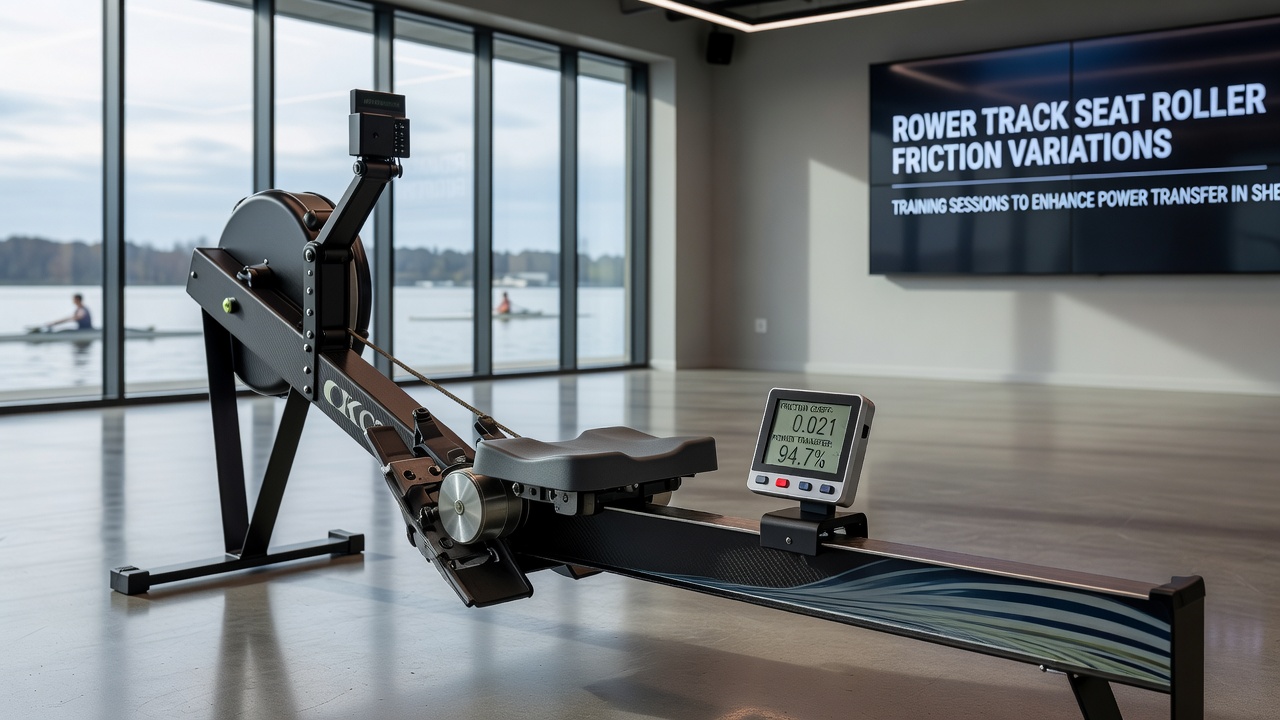
Shells move from training environments to competition venues with strict rules governing equipment setup. World Rowing technical regulations specify allowable tolerances for moving parts, yet crews still fine-tune roller assemblies within those limits to match expected race conditions. Data from multiple regattas indicate that pre-race friction targets sit 8 to 15 percent lower than typical training averages because competitors seek maximum acceleration off the start and minimal energy dissipation during the final sprint.
Support staff use portable dynamometers to verify roller performance immediately before launch. These handheld devices apply standardized loads while measuring displacement, allowing quick comparisons against baseline training values. Teams that integrate these checks into their pre-race routines report more stable power curves across multiple heats, particularly when weather variables such as humidity alter track surface properties between morning and afternoon racing.
Power Transfer Implications Across Boat Classes
Power transfer efficiency depends on how cleanly leg-generated force moves through the seat, rollers, and hull without frictional losses converting kinetic energy into heat. Sweep boats with larger crews exhibit different load distributions than single sculls, so friction targets vary accordingly. Longitudinal studies compiled by Rowing Canada show that pairs and fours achieve optimal performance when roller friction remains within a narrow band that accommodates both the drive and recovery phases without introducing micro-vibrations that disrupt stroke timing.
During July 2026 events scheduled across multiple international venues, timing systems will record split data at 250-meter intervals, giving crews additional feedback on whether seat-roller setups translated training gains into race results. Preliminary models suggest that a 10 percent reduction in average roller friction can yield boat-speed improvements of 0.8 to 1.2 percent over 2000 meters when all other variables remain constant.
Maintenance Protocols and Equipment Evolution
Maintenance schedules evolve alongside sensor technology. Crews now log roller condition after every session using standardized checklists that record bearing temperature, track cleanliness, and lubricant application amounts. Digital platforms aggregate these entries across multiple boats, enabling comparative analysis between training groups. Manufacturers respond with updated roller designs that incorporate ceramic bearings and revised seal geometries aimed at reducing sensitivity to environmental moisture.
Technicians continue to refine these components through iterative testing, feeding new specifications back into training programs so that athletes experience consistent power transfer characteristics whether practicing on ergometers or competing on open water.
Conclusion
Seat roller friction variations represent a measurable variable that rowing programs track from daily training through to championship racing. Objective data collected across instrumented sessions and verified at competition sites demonstrate clear relationships between roller performance and overall power delivery in shells. Continued refinement of measurement techniques and maintenance routines allows crews to align equipment settings with performance requirements for upcoming events in 2026 and beyond.