Rowers Share Stroke Rate Adjustments from Practice Logs to Inform Boat Setup Choices for Upcoming Regattas
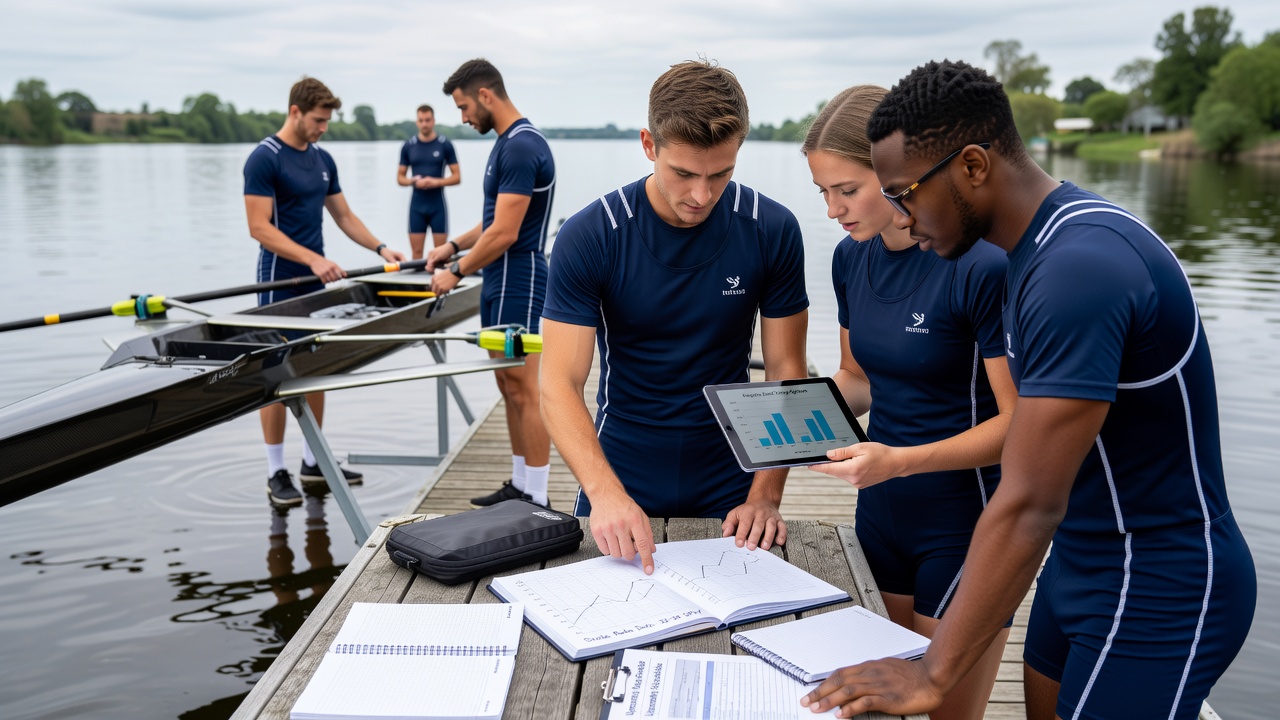
Rowers collect detailed stroke rate data during training sessions and share those records through community platforms to refine boat configurations ahead of major competitions, with patterns emerging from consistent log entries that highlight optimal rates for different boat classes and water conditions. Data indicates that crews adjust stroke rates between 28 and 36 strokes per minute depending on race distance and wind factors, while shared logs reveal correlations between rate changes and hull speed improvements across multiple crews.
Collecting and Sharing Stroke Rate Data
Practice logs typically include entries on stroke rate, boat speed, heart rate, and perceived effort, with rowers uploading these details to shared databases that aggregate information from clubs worldwide. Researchers at institutions such as the Australian Institute of Sport have examined how aggregated log data shows adjustments in stroke rate during intervals that correlate with reduced energy expenditure over 2000-meter distances. Crews in Europe and North America contribute records that demonstrate how rates above 32 strokes per minute often require specific rig adjustments to maintain blade efficiency, and those patterns become visible when multiple teams compare entries from similar training environments.
Community platforms enable rowers to filter logs by boat type, such as singles versus eights, and by environmental variables like current strength or temperature, which helps identify setup modifications that support sustained rates without increasing drag. Figures from World Rowing reveal that crews preparing for international events log an average of 45 sessions per month in the lead-up period, with stroke rate variations documented in over 70 percent of those entries.
Translating Logs into Boat Setup Decisions
Boat setup elements including oar length, spread, and foot stretcher position respond directly to insights drawn from stroke rate trends in shared logs, as higher rates frequently prompt crews to shorten oar leverage to reduce load per stroke. Observers note that entries showing consistent rate increases during headwind conditions lead teams to widen the spread slightly, which maintains hull momentum while preserving blade depth throughout the drive phase. Those who've reviewed aggregated data find that small shifts in seat position, often just two centimeters forward, allow rowers to sustain rates near 34 without elevating lactate levels beyond target thresholds.
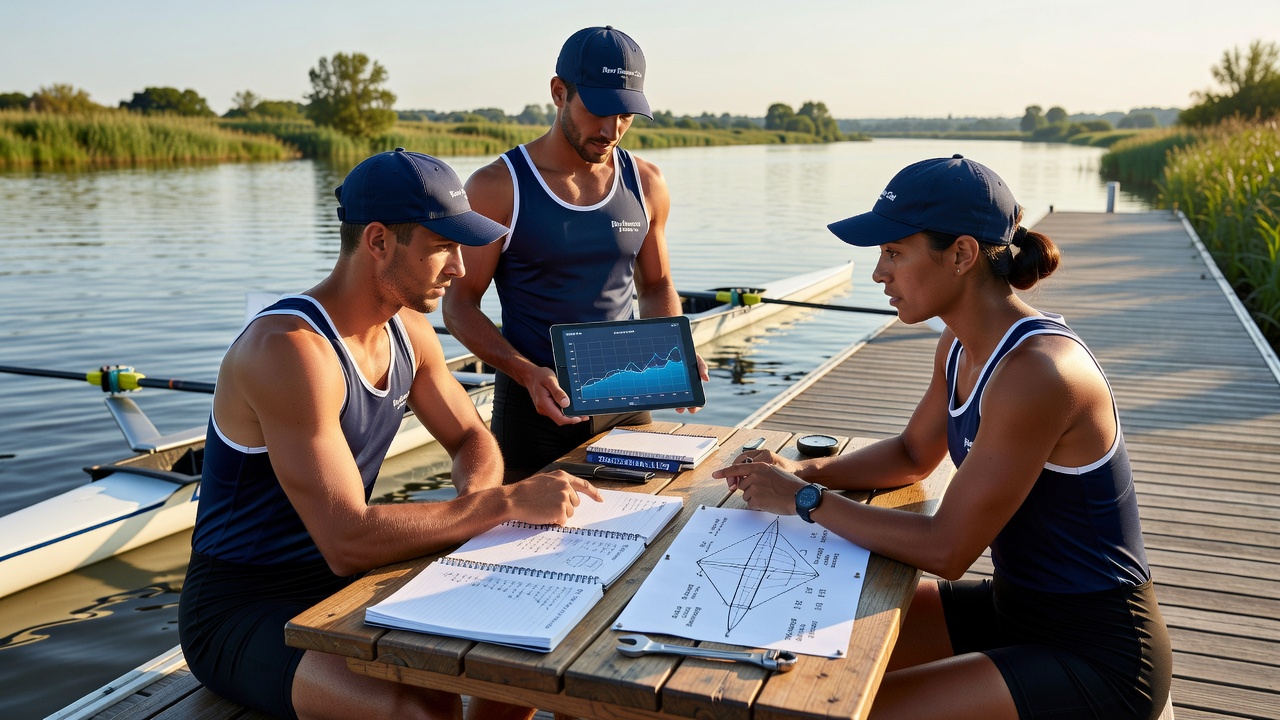
Take one example where a university eight tracked stroke rates across three weeks of varied weather, adn the shared dataset prompted a collective decision to raise the foot stretchers by one centimeter to accommodate higher rates in tailwind scenarios. Similar adjustments appear in logs from Canadian and Japanese clubs, where crews report measurable gains in average boat speed after implementing changes based on collective rate information. Data shows these modifications reduce the need for compensatory technique changes during races, allowing rowers to focus on synchronization rather than fighting equipment limitations.
Preparing for June 2026 Regattas
With major regattas scheduled for June 2026, including events under World Rowing sanctioning, crews have intensified log-sharing practices to finalize setups well in advance. Entries from the preceding months indicate that stroke rates in the 30 to 33 range dominate long-distance training, while shorter pieces push rates toward 36, prompting preemptive rig tweaks documented across dozens of teams. Those preparing for the schedule note that water temperature rises in late spring often coincide with rate increases in the logs, leading to standardized adjustments in oar pitch that multiple crews adopt after cross-referencing entries.
Shared platforms highlight cases where crews reduced overall boat weight by 1.5 kilograms after reviewing rate data that showed inefficiencies at higher cadences, and similar decisions appear in records from Australian and South African programs. The process continues through spring training blocks, where updated logs feed into final configuration reviews that align equipment with projected race conditions for the June calendar.
Conclusion
Shared stroke rate logs continue to guide precise boat setup modifications as rowers prepare equipment for the 2026 season, with aggregated entries providing evidence-based direction on rate-related adjustments across varied conditions. The practice integrates training observations directly into hardware decisions, supporting consistent performance outcomes when crews reach competition venues.