Rower Preference Logs for Oar Blade Shapes Influence Equipment Picks in Regional Regattas

Regional regattas across various waterways rely on detailed rower preference logs that track oar blade shape selections and performance outcomes, with these records guiding equipment decisions for clubs and individual competitors. Data compiled from training sessions and race results shows patterns in blade preferences that teams apply when preparing for events in specific conditions, such as river currents or lake surfaces.
Compilation of Preference Logs
Rowers submit entries to shared digital platforms after each session, noting blade shapes like the traditional Macon or the modern cleaver design alongside metrics for catch efficiency, propulsion, and fatigue levels. Researchers at institutions monitoring aquatic sports have observed that these logs aggregate thousands of data points per season, creating searchable archives that highlight which shapes perform best under particular wind or water temperature variables. Coaches access the compiled information to match equipment to crew needs, while equipment suppliers review the same datasets when stocking inventory for upcoming meets.
Influence on Equipment Selection
Preference logs reveal that cleaver blades often record higher top-end speeds in flat water events, whereas Macon shapes show advantages in choppy conditions due to better entry and exit dynamics. Teams competing in regional circuits consult these trends months ahead of events, adjusting orders for oars based on historical performance data tied to venue characteristics. What's interesting is how aggregated feedback from multiple crews refines these choices, allowing smaller clubs to align their gear with patterns established by larger programs without extensive on-site testing.
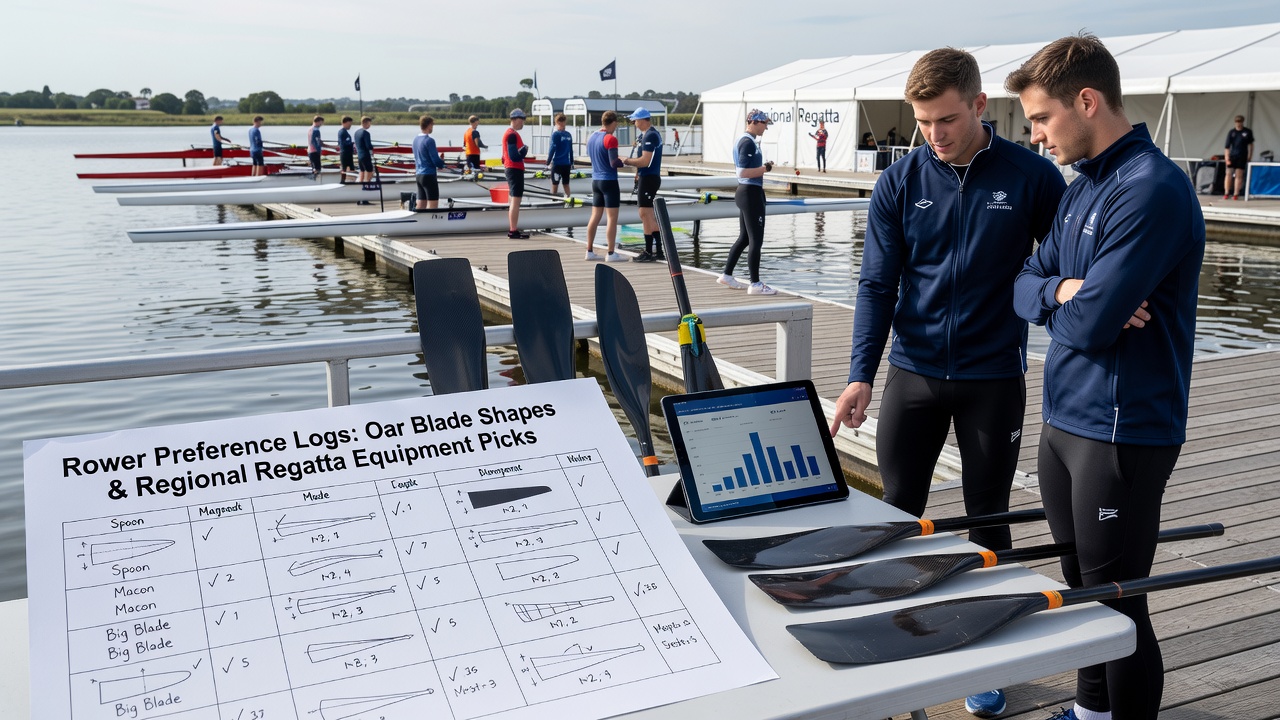
According to records maintained by rowing federations, blade shape adjustments informed by logs have correlated with measurable improvements in qualifying times at several district-level competitions. Observers note that crews using data-driven selections report fewer equipment-related issues during travel between venues, since the chosen blades match documented preferences for the expected water profiles.
Regional Variations and July 2026 Preparations
Different geographic areas produce distinct log patterns, with coastal regattas favoring blades that handle variable tides and inland events emphasizing shapes suited to consistent flows. As preparations intensify for July 2026 regional competitions, archives from prior seasons guide bulk purchases and custom fittings. Data from European and North American circuits indicates that crews sharing logs across borders identify cross-compatible blade options, reducing the need for last-minute swaps at unfamiliar sites. Industry reports from organizations such as Rowing Australia document how these shared insights streamline logistics for multi-team events.
University studies tracking equipment usage confirm that preference logs help minimize mismatches between blade designs and rower physiques, leading to more consistent stroke rates across heats. Those who've examined the archives point to specific examples where clubs altered blade orders after reviewing aggregated feedback from similar body types in comparable conditions.
Broader Impacts on Regatta Planning
Event organizers incorporate log-derived trends when setting equipment regulations and providing vendor recommendations, ensuring that available options align with documented rower needs. This approach supports fairer competition by reducing variables unrelated to athlete skill. Research from Canadian aquatic performance centers shows correlations between widespread log adoption and steadier equipment performance across age-group categories at regional meets.
Patterns emerging from these records also inform training programs, where coaches simulate race conditions using blades selected according to historical preferences. The result is equipment that integrates smoothly with established crew techniques, as verified through repeated session entries in the logs.
Conclusion
Preference logs for oar blade shapes continue to shape equipment decisions at regional regattas by supplying verifiable performance data that teams apply to their selections. These records connect past outcomes with future needs, supporting consistent choices across diverse competition environments. As more rowers contribute entries, the archives grow in scope and utility for planning ahead of events like those scheduled in July 2026.