Riders Catalog Fin Adjustments in Kiteboarding Through Shared Session Logs to Optimize Control During Gusty Coastal Competitions
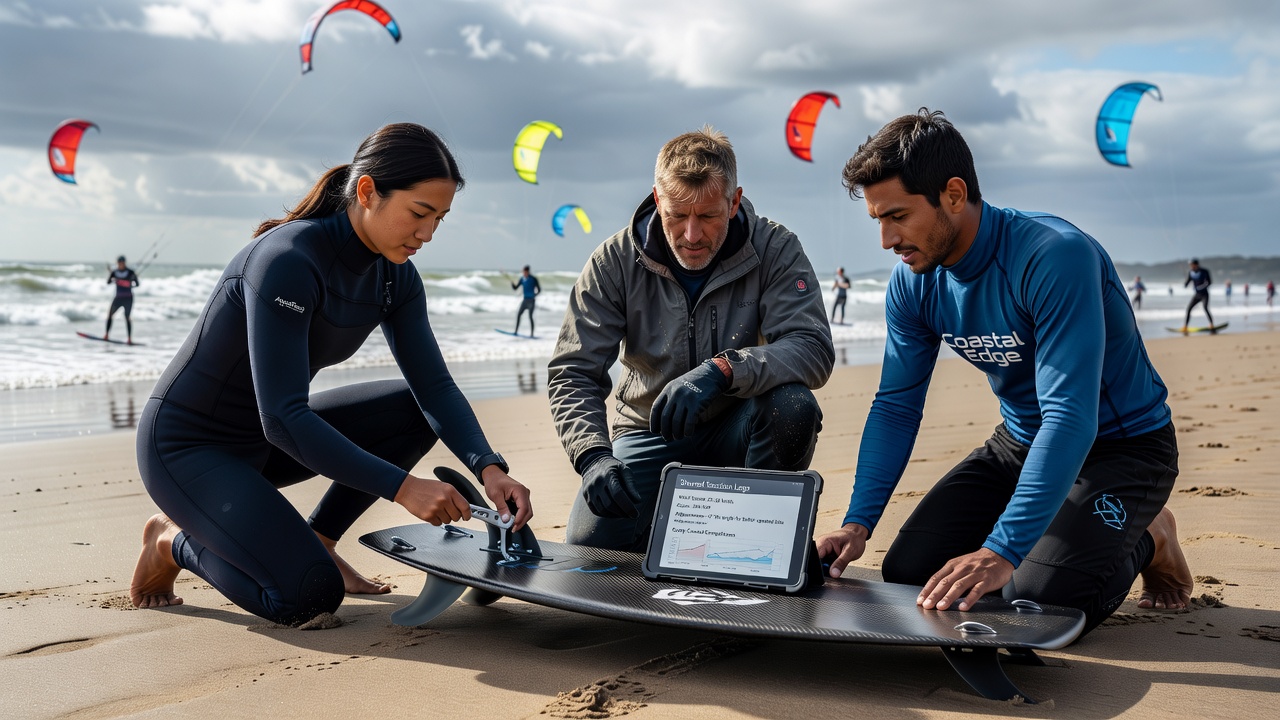
Competitive kiteboarders have turned to shared session logs as a primary tool for cataloging fin adjustments that improve control when strong winds hit coastal event sites, and these records track specific measurements like fin depth, angle, and material flex across multiple rides in variable conditions.
Session Logs as Data Repositories
Participants upload details from each outing into centralized catalogs that include wind speed averages, gust intervals, board speed, and rider inputs such as heel pressure and bar adjustments, which allows subsequent users to cross-reference setups against similar environments rather than starting from isolated trial and error. Observers note that these logs often categorize entries by location and date, creating searchable databases that highlight patterns where certain fin profiles reduced spinouts during sudden wind spikes exceeding 25 knots.
Fin Design Variables in Coastal Gusts
Fin adjustments documented in the catalogs typically address three core variables: chord length, sweep angle, and surface texture, and riders modify these elements to maintain directional stability when gust fronts arrive from offshore or alongshore directions. Data from repeated sessions shows that shorter chord fins paired with moderate sweep angles often preserve responsiveness in choppy water generated by gust cycles, whereas longer chords with reduced sweep provide greater tracking once wind velocities stabilize between gusts.
Optimization Through Collective Records
Community platforms aggregate thousands of entries from coastal venues worldwide, and analysts extract correlations between fin tweaks and performance metrics such as upwind progress and jibe completion rates during recorded gust events. One study from the University of California Davis examined archived logs spanning three seasons and found that participants who consulted prior entries before events achieved more consistent board heading in winds fluctuating between 18 and 32 knots.
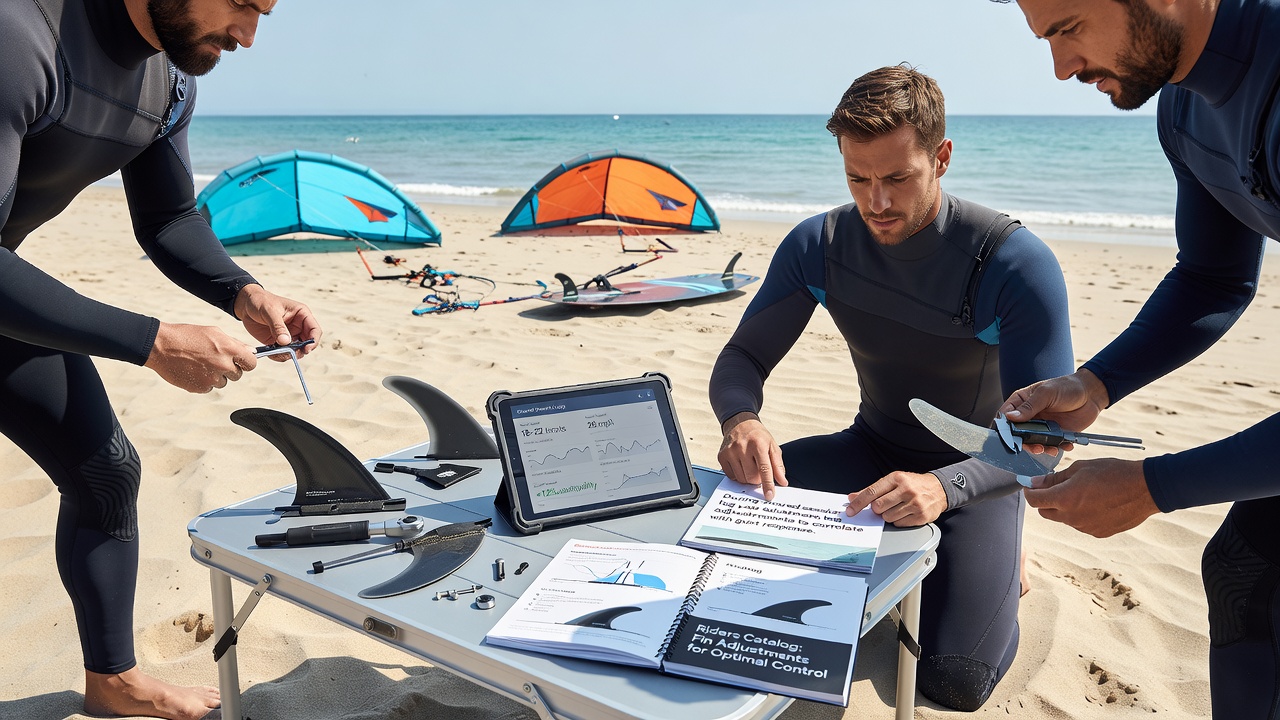
Coastal competitions scheduled for July 2026 in regions such as the Pacific Northwest and Mediterranean shores have already prompted riders to review historical gust data from those same sites, and the catalogs now include dedicated sub-sections for each venue that list successful fin configurations alongside the exact wind profiles encountered during past events.
Equipment Integration and Measurement Standards
Standardized measurement protocols appear in many shared logs, requiring riders to record fin base width to the nearest millimeter along with flex ratings derived from simple deflection tests performed on-site, which creates uniform data points that facilitate direct comparisons across different board models and rider weights. Technicians affiliated with the International Kiteboarding Association have contributed templates that convert raw session notes into standardized fields, and these templates reduce entry errors that previously obscured useful patterns.
Geographic and Seasonal Variations Captured
Logs from Australian coastal sites document how fin rake angles between 25 and 35 degrees correlate with improved control during afternoon sea-breeze gusts, while entries from Canadian Atlantic venues emphasize the benefits of textured fin surfaces when cold-water chop combines with frontal wind shifts. Researchers at the Australian Institute of Sport compiled regional subsets from these catalogs and identified that seasonal wind direction changes require corresponding fin angle shifts of approximately 4 to 7 degrees to maintain equivalent control margins.
Future Event Preparation Using Historical Data
Event organizers for the 2026 coastal series have begun integrating catalog summaries into competitor briefings, and these summaries highlight fin setups that performed reliably under documented gust conditions at each host location. Riders preparing for those dates review the aggregated metrics to pre-select fin sets, which shortens on-site adjustment time and allows more focus on tactical elements once competition windows open.
Conclusion
Shared session logs continue to expand the available reference material on fin adjustments for kiteboarding control in gusty coastal settings, and the structured catalogs enable systematic refinement of equipment choices ahead of scheduled events. The approach relies on consistent data entry and cross-referencing rather than individual experimentation alone, which produces measurable improvements in directional stability across repeated exposures to the same wind patterns.