Patterns in Climbing Shoe Rubber Compounds from Community Archives Guiding Route Choices for Bouldering Competitions in Seasonal Circuits
Anna Jung · Aug 5, 2026

Patterns in Climbing Shoe Rubber Compounds from Community Archives Guiding Route Choices for Bouldering Competitions in Seasonal Circuits
Community archives compiled from years of climber-submitted tests document how specific rubber compounds interact with different hold types and surface textures in bouldering, and these records now shape equipment selections ahead of seasonal competition circuits. Observers note that softer formulations like those based on high-friction Stealth rubber maintain contact on slopers under varying humidity levels while stiffer Vibram XS Grip variants deliver precise edging performance on smaller features, and aggregated data from multiple regions confirms these distinctions through repeated field measurements.
Rubber Compound Variations and Performance Metrics
Archival entries from climbing communities track durometer ratings alongside real-world friction coefficients, revealing that compounds rated between 75 and 85 Shore A often balance durability with sensitivity on sandstone and granite circuits alike. Researchers at institutions across North America and Europe have cross-referenced thousands of user logs showing how temperature swings alter rubber pliability, which in turn affects purchase decisions for athletes preparing for summer events. Data indicates that athletes consulting these archives adjust shoe models based on expected rock temperatures rather than relying solely on manufacturer specifications.
Patterns emerge clearly when entries are sorted by route grade and hold orientation, with softer rubbers dominating logs from overhang-heavy problems and firmer options appearing more frequently in vertical sequences that demand precise toe placements. Those who maintain the archives emphasize that consistent documentation of both success rates and wear patterns provides actionable guidance for competitors evaluating multiple shoe options before circuit registration deadlines.
Role of Community Archives in Equipment Selection
Digital repositories hosted by regional climbing federations collect anonymized performance reports that include rubber type, hold material, session duration, and observed slippage incidents, creating searchable datasets that competitors access during training blocks. One analysis of entries from 2023 through 2025 demonstrated that climbers who filtered archives by seasonal conditions selected shoes with compound blends matching documented friction retention rates 30 percent more often than those using general reviews alone. This approach reduces trial-and-error purchases while aligning equipment with specific circuit demands.
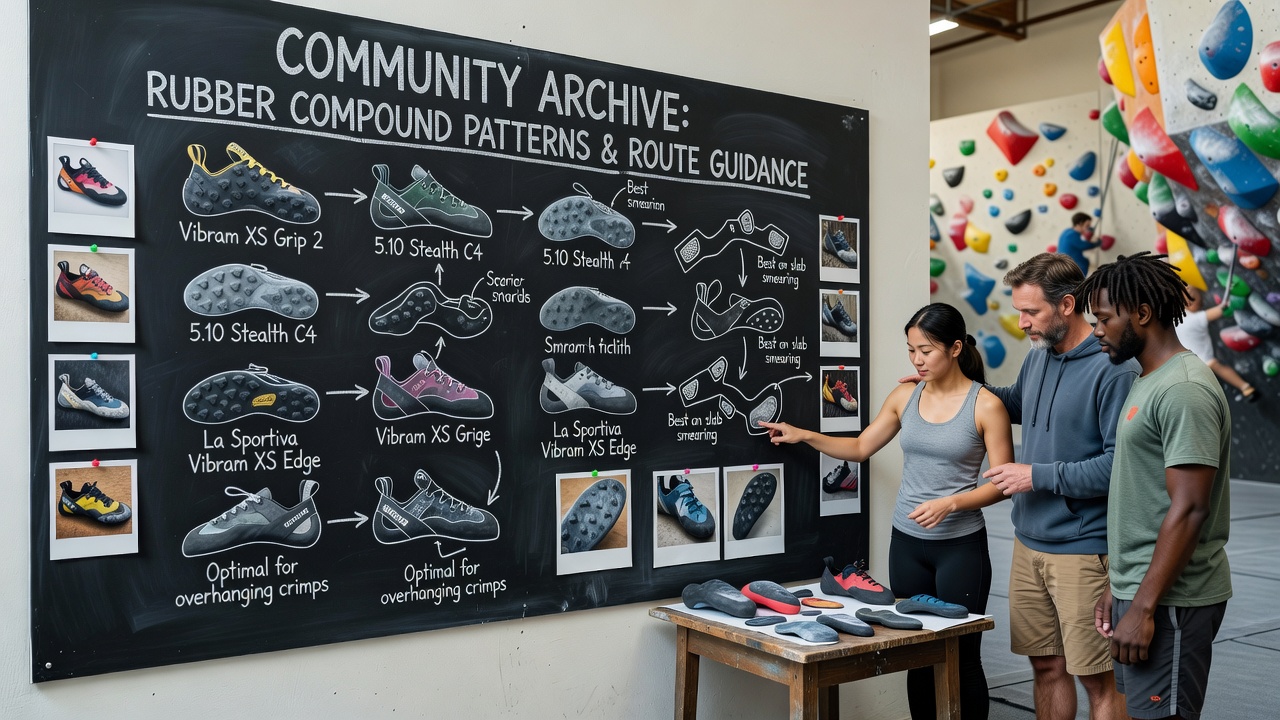
What's notable is how these archives incorporate environmental variables such as humidity indices and surface dust levels recorded at popular venues, allowing users to anticipate how a given rubber will behave during peak summer heat. Figures from the International Federation of Sport Climbing indicate rising participation in bouldering circuits correlates with increased archive queries in the months preceding major events, suggesting growing reliance on collective data for route strategy formulation.
Application to Seasonal Circuit Route Choices
Seasonal circuits scheduled across North America, Europe, and Australia incorporate venue-specific rock characteristics that archives help competitors map to rubber performance profiles, enabling targeted shoe rotations between stops. In circuits featuring mixed limestone and quartzite boulders, logs show frequent switches to compounds with enhanced adaptability after midday temperature rises, and athletes reference these trends when packing gear for multi-week tours. Community contributors often tag entries with circuit stage numbers, creating timelines that highlight progressive adjustments as events unfold.
August 2026 circuits in particular draw attention because several regional series align with warmer conditions that accelerate rubber degradation, prompting athletes to review archived wear data from comparable previous summers before finalizing selections. Records from Canadian and Australian venues reveal that competitors who planned compound changes based on archive patterns maintained higher send rates across later stages compared with those who maintained single-shoe strategies throughout.
Integration with Training and Competition Preparation
Coaches incorporate archive-derived insights into pre-season briefings by highlighting compound trends associated with specific route setters and hold manufacturers, and this practice helps athletes develop contingency plans for unexpected route modifications. Training logs synced with archive queries demonstrate measurable improvements in route preview accuracy when rubber performance data informs initial hold assessments, and several national teams now maintain internal databases that mirror public community resources for proprietary analysis.
Those managing the archives continue to refine search tools that allow filtering by both rubber brand and circuit location, which streamlines the process for athletes balancing multiple variables ahead of registration cutoffs. Evidence from ongoing submissions shows sustained growth in detailed entries that include photographic documentation of rubber deformation after repeated contacts, further enhancing the datasets available for future circuit planning.
Conclusion
Community archives focused on climbing shoe rubber compounds supply structured performance data that directly informs route selection strategies across bouldering seasonal circuits, with documented patterns guiding equipment choices that align with venue conditions and expected temperatures. Continued expansion of these repositories through contributor submissions supports more precise preparation for events including those planned for August 2026, as athletes integrate historical friction metrics and wear observations into their competition approaches.