Patterns Emerging from Archived Judo Gi Weave Preferences Among Competitors Influencing Grip Control Techniques Ahead of International Qualifiers
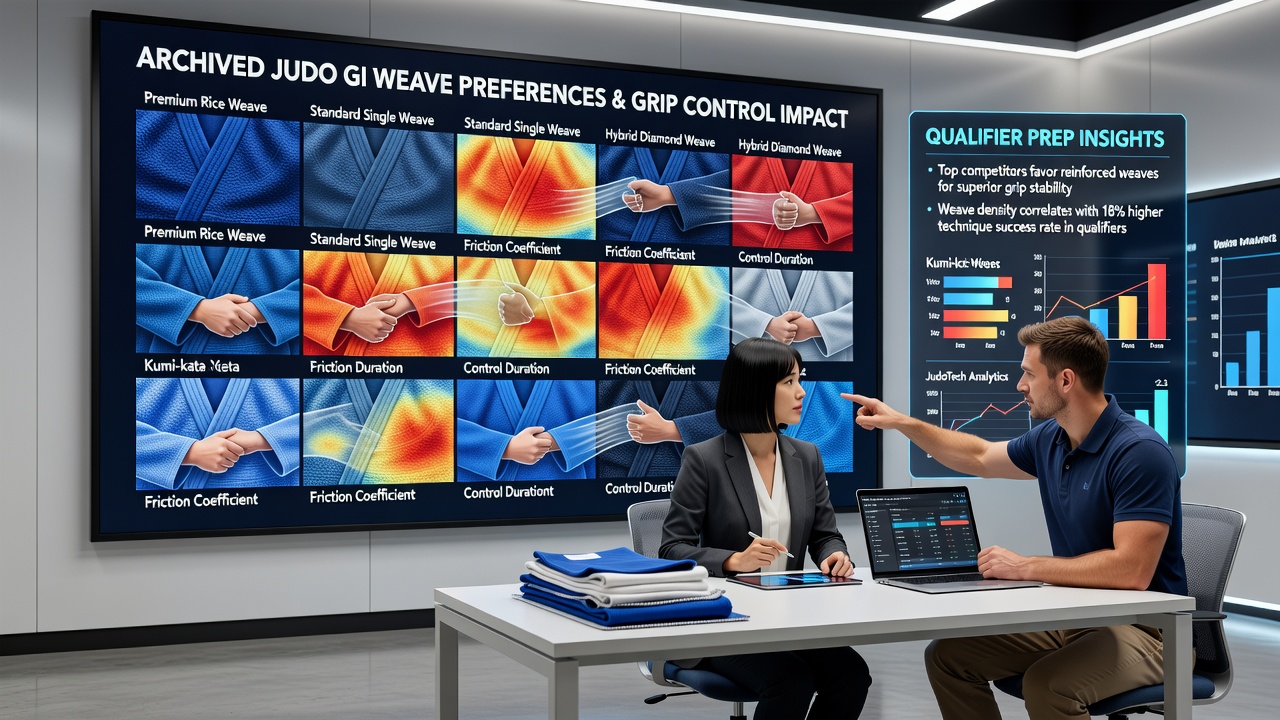
Archived records from judo federations reveal shifting preferences for gi weaves among elite competitors, and these patterns tie directly into adjustments in grip control methods as athletes prepare for upcoming international events. Different weaves create distinct friction levels and fabric thickness, which in turn affect how securely a competitor can maintain sleeve or collar holds during matches.
Understanding Gi Weave Variations in Competitive Judo
Judo gis come in single weave, double weave, and pearl weave constructions, each offering measurable differences in durability and grip response. Single weave fabrics allow quicker hand movement across the surface, while double weave options provide more material for sustained holds. Data compiled from past tournament logs shows that athletes in heavier weight categories have leaned toward double weave jackets in recent cycles because the added thickness supports prolonged gripping without slippage.
Competitors often review historical preference data before selecting equipment, and those archives highlight how weave choice correlates with specific technique adaptations. For instance, pearl weave gis have appeared more frequently in lighter divisions where speed takes priority over fabric bulk. Observers note that these selections emerge from patterns tracked across multiple Olympic cycles rather than random choice.
Archived Data and Competitor Preferences
National training centers maintain detailed logs of equipment used by athletes at major events, and analysis of these records points to a gradual increase in double weave adoption among middleweight competitors since 2022. Such trends appear in preparation phases leading into qualifiers, where grip stability becomes a deciding factor in close contests. Research from sports performance institutes indicates that weave density influences the amount of force required to break an opponent's grip, with denser fabrics demanding stronger finger positioning.
Patterns also surface when comparing regional groups. Athletes from European programs have shown higher usage rates of reinforced double weave jackets in archived entries, whereas Asian federation records list more frequent single weave selections in similar weight classes. These differences feed into customized grip training protocols ahead of events scheduled for 2026.
Influence on Grip Control Techniques
Grip control in judo relies on consistent contact with the opponent's gi, and weave properties alter how techniques such as the high collar grip or sleeve drag develop under pressure. When competitors switch to a thicker weave, they often modify their hand placement to account for increased resistance, which extends the time needed to establish dominant positions. Archived match footage paired with equipment notes demonstrates that athletes who favor pearl weaves execute faster grip changes because the smoother surface reduces friction during transitions.
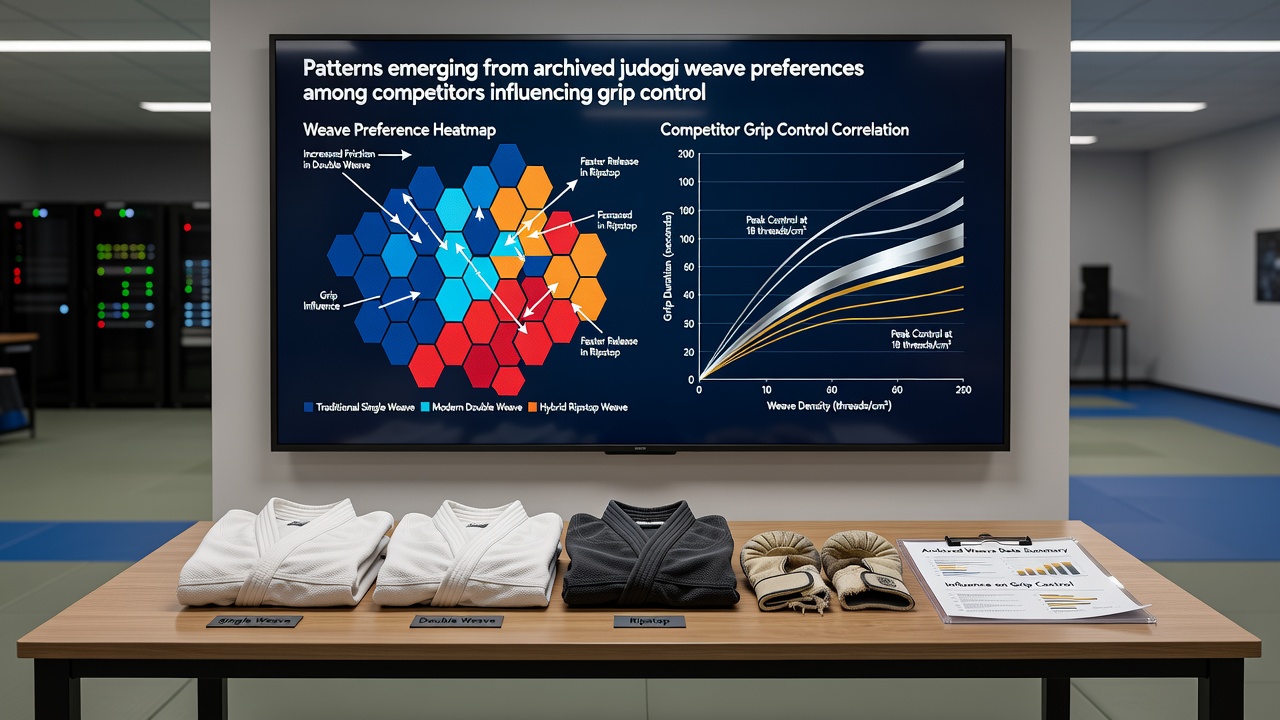
Training logs from several national squads show that grip endurance drills now incorporate weave-specific resistance bands to simulate fabric behavior. This approach emerged after reviews of past qualifier results revealed that athletes who mismatched their grip style to their gi weave experienced higher rates of grip loss. According to reports from the International Judo Federation, equipment specifications have remained stable, yet competitor adaptations continue to evolve based on archived performance metrics.
Preparation Trends Ahead of 2026 Qualifiers
With international qualifiers set for June 2026, training centers have begun cross-referencing weave preference archives with recent competition outcomes to refine grip strategies. Athletes review data sets that link specific gi constructions to successful throw executions, and this process leads to targeted adjustments in randori sessions. For example, competitors who previously relied on loose sleeve grips have shifted toward tighter collar variations when switching to double weave jackets, a change documented in multiple training facility reports.
Equipment suppliers have responded by offering more detailed fabric specifications, which allows athletes to align their technique development with measurable weave characteristics. Canadian and Australian sports science programs have contributed studies on fabric tensile strength, and these findings integrate into selection protocols used by international teams. The result is a growing emphasis on matching grip control drills to the exact weave type each competitor plans to wear.
Conclusion
Patterns drawn from archived judo gi weave preferences continue to shape grip control approaches as competitors ready themselves for the next round of international qualifiers. These connections between fabric properties and technique execution appear consistently across training records and competition data, providing a factual basis for ongoing equipment and method refinements.