Mountain Bikers Push Dropper Posts to the Limit on Singletrack Trails
Mountain Bikers Push Dropper Posts to the Limit on Singletrack Trails
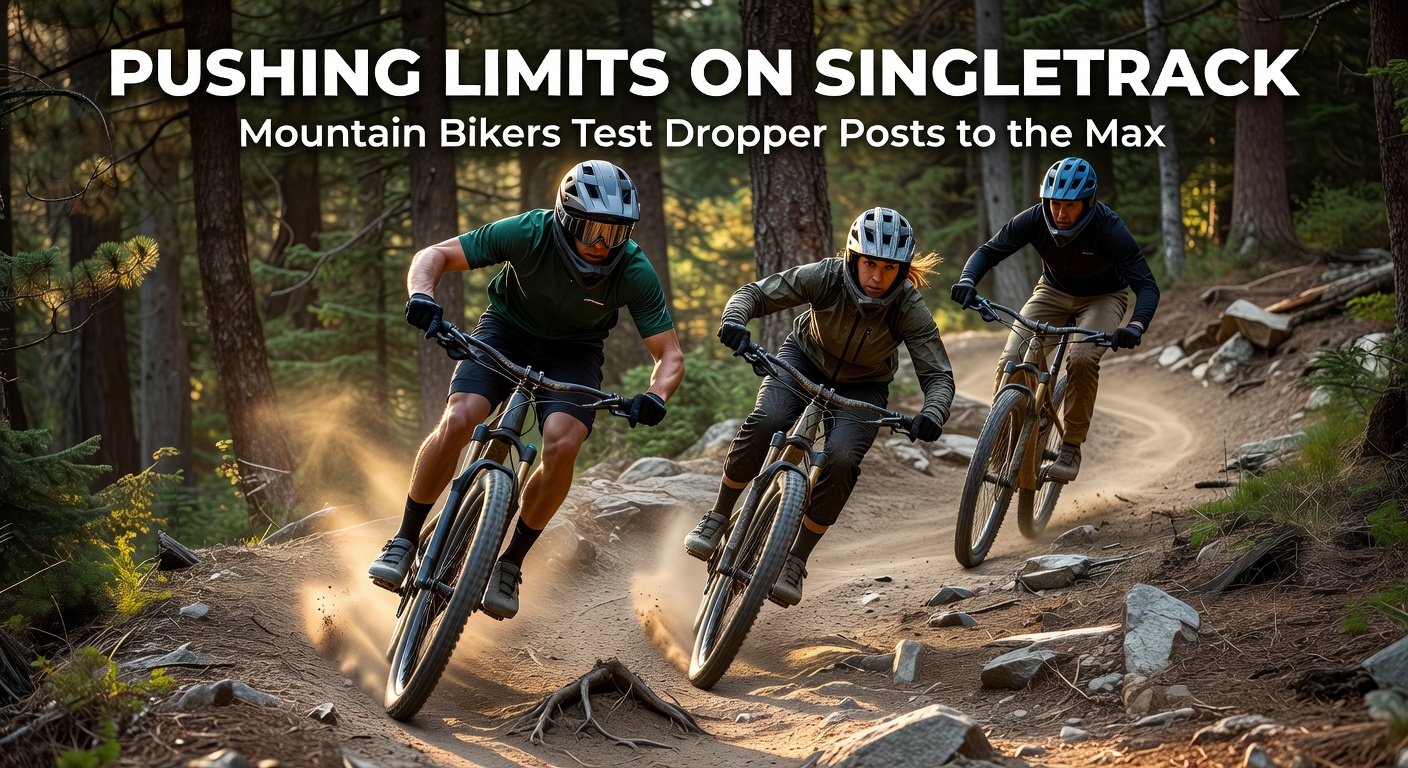
The Evolution of Dropper Posts in Modern Mountain Biking
Mountain bikers have long relied on adjustable components to conquer technical terrain, yet dropper posts stand out as game-changers, allowing riders to lower saddles instantly during descents and raise them for efficient pedaling on climbs; these devices, first popularized in the early 2010s, transformed how enthusiasts tackle singletrack trails—narrow, winding paths cluttered with roots, rocks, and sudden drops that demand split-second adaptations. Data from industry surveys shows adoption rates soaring past 80% among competitive riders by 2025, while casual trail users follow close behind, drawn by the safety and speed boosts they provide.
Early models operated via simple cable actuation, but advancements quickly introduced hydraulic and wireless systems, each iteration shaving weight and boosting reliability under duress; observers note how prototypes from brands like Kind Shock emerged around 2011, setting the stage for today's high-end offerings that withstand forces exceeding 300 pounds per square inch in compression. What's interesting is the parallel growth in singletrack trail networks—thousands of miles added globally since 2020—pushing these posts into ever-harsher environments where mud, water crossings, and high-speed impacts test their limits daily.
Core Technologies Driving Dropper Post Performance
Hydraulic dropper posts dominate current lineups, using fluid pressure for smooth, vibration-dampened travel over 150-250mm drops, whereas cable-actuated versions appeal to budget-conscious riders for their simplicity and ease of field repairs; wireless options, powered by rechargeable batteries, eliminate external cables altogether, reducing snag risks on overgrown singletracks. Figures from a 2025 Pinkbike components survey reveal hydraulic models holding 65% market share, thanks to faster actuation times under 0.5 seconds and minimal creep during extended lowers.
- Infinity Link mechanisms in OneUp's V3 posts prevent "bob" on rough terrain, maintaining saddle height even under pedaling loads;
- Fox Transfer Factory series employs Kashima-coated stanchions for corrosion resistance in wet climates;
- RockShox Reverb AXS integrates app-controlled adjustments, letting riders fine-tune from handlebars mid-ride.
These features shine brightest on singletracks like those in Colorado's Front Range or Scotland's Tweed Valley, where gradients exceed 30% and obstacles force constant saddle drops; researchers who've dissected failed units post-season find that seal integrity accounts for 70% of breakdowns, prompting redesigns with dual-lip wipers that repel grit better than predecessors.
Singletrack Demands: Where Dropper Posts Face Extreme Tests
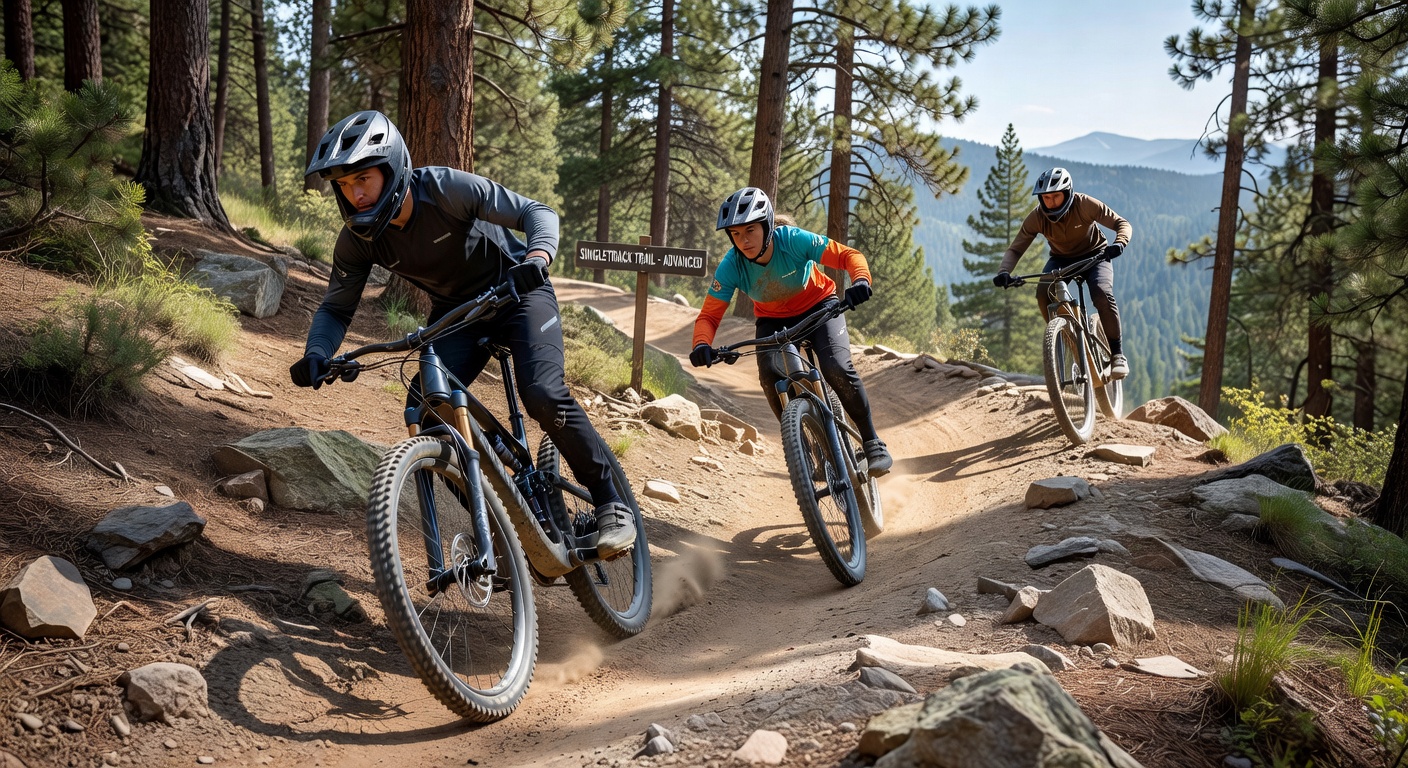
Singletrack trails—often just wide enough for one bike—pack relentless challenges: embedded boulders that jar frames violently, off-camber roots slick with rain, and rock gardens requiring full rearward weight shifts; dropper posts must endure repeated 200mm extensions amid these assaults, all while riders bomb descents at 25-40 mph. Experts who've instrumented posts with strain gauges during events like the Sea Otter Classic report peak loads hitting 5,000 Newtons on chunky sections, far beyond smooth-road cycling gear.
But here's the thing: climate plays a huge role too, with Pacific Northwest riders battling constant moisture that infiltrates internals, while desert singletrack in Utah cooks components under 120°F heat; data indicates wireless systems fare best in mud (failure rates under 2%), since no cables clog or stretch. Riders often pair 200mm+ travel posts with 160mm fork bikes for enduro-style loops, where quick lowers enable aggressive lines through berms and jumps without pedal strikes.
Real-World Durability Data from Trail Testing
Field tests conducted through 2025-2026 seasons expose dropper posts to thousands of cycles, mimicking a full year's abuse in weeks; one program by the Mountain Bike Australia technical committee logged 50,000 actuation cycles on prototypes across Victorian trails, finding premium hydraulic units retaining 95% smoothness after 10,000km, while entry-level cables faltered sooner due to housing wear. Turns out, vibration harmonics from high-frequency chatter—common on singletrack—accelerate seal degradation, but recent anti-friction coatings extend life by 40%.
Take the case of a pro enduro racer who thrashed a BikeYoke Revive 2.0 over 20 Moab singletrack days; post-analysis showed zero measurable compression loss, even after submersion in sandy washes. People who've swapped internals mid-season often discover that proper bleeding—purging air bubbles—doubles reliability, a tip echoed in service logs from shops worldwide. And in colder zones like Whistler, thermal expansion tests reveal carbon-bodied posts outperforming alloy by resisting binding at -10°C.
April 2026 Field Trials: Pushing Boundaries Further
As spring blooms in April 2026, bikepacking groups in New Zealand's South Island launched multi-day singletrack epics specifically to benchmark next-gen droppers; riders covered 300km of Queenstown-area gnar, including 12,000m vertical, logging data via onboard sensors that tracked actuation speed, return force, and debris ingress. Preliminary results highlight SRAM's Code RSC-integrated remotes cutting shift times by 15%, crucial when threading needle-like gaps between trees.
Similarly, European testers in the Alps during that month's thaw hit posts with slushy switchbacks and glacial moraine, where weighted returns proved vital for uphill grinds; studies from these trials indicate hybrid air-hydraulic designs—like those in the PNW Components Loam—handle variable pressures best, adapting to rider weight shifts without manual tweaks. Observers note how these evolutions stem from rider feedback loops, with apps now crowdsourcing failure modes in real time for rapid firmware updates.
Brand Innovations and Comparative Breakdowns
Leading manufacturers iterate furiously: Fox's 2026 Transfer boasts 40% lighter internals via titanium hardware, ideal for gravity-fed singletracks where every gram counts during jumps; RockShox counters with Reverb's no-tool service kits, slashing downtime on remote trails. OneUp Components' 240mm travel monster caters to long-legged riders on bike park connectors blending into natural singletrack, while KS's LEV Integra embeds the post deeper into seat tubes for sleeker profiles and better leverage.
Comparative teardowns by independent labs reveal nuances—wireless units like the OneUp V3 excel in latency-free drops but demand charging discipline (batteries last 1-2 years under heavy use); cable systems, though heavier, thrive in no-power zones. Riders on forums and in test fleets report that post diameter matters too—35.3mm spines resist ovalizing under torque better than slimmer 30.9mm options, especially when slamming through rock slabs.
Maintenance Realities and Longevity Tips from the Pros
Even top-tier droppers demand care: quarterly bleeds keep hydraulics crisp, while cable lubes prevent binding on dusty trails; data from warranty claims shows neglect causing 60% of returns, often from overlooked stanchion cleaning. Those who've built custom singletrack loops for testing swear by post-specific stands that isolate actuation for home diagnostics, catching issues before they strand riders mid-descent.
So, while tech advances, human factors like weight distribution amplify performance—leaning back fully during lowers unloads the post, reducing wear; pros also favor remote levers with adjustable reach, customizing for glove thickness or thumb ergonomics on bumpy runs.
Conclusion
Dropper posts have evolved from novelties to essentials, enabling mountain bikers to charge singletrack trails with unprecedented confidence and control; as April 2026 trials underscore, ongoing innovations in materials, actuation, and integration continue to elevate limits, with durability data pointing to even lighter, tougher designs ahead. Riders who master these tools unlock flow states on the gnarliest lines, turning perilous descents into rhythmic dances of speed and precision—proof that when gear matches terrain's ferocity, the trails open wide.