Lacrosse Midfielders Draw from Collective Head String Tension Observations to Fine-Tune Pocket Depths and Boost Face-Off Control Rates During League Matches
Eden Schmidt · Aug 12, 2026
Lacrosse Midfielders Draw from Collective Head String Tension Observations to Fine-Tune Pocket Depths and Boost Face-Off Control Rates During League Matches
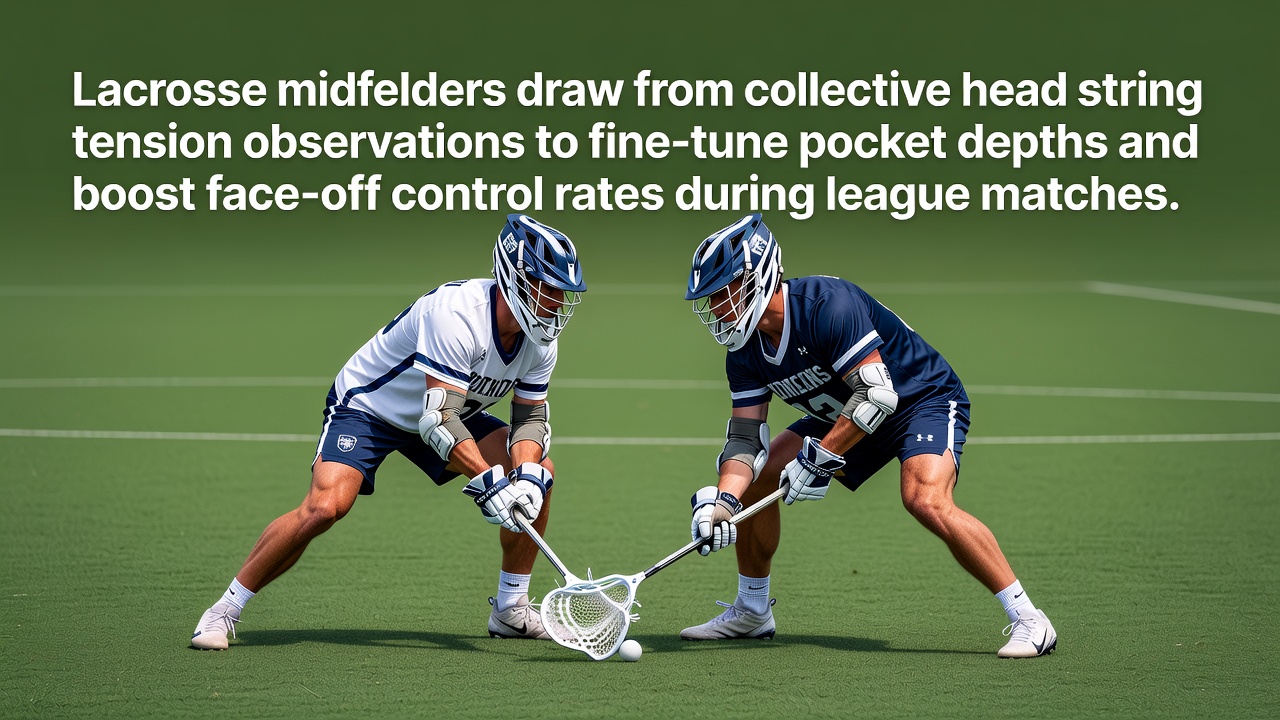
Players across professional and collegiate lacrosse programs compile observations on head string tension to adjust pocket depths, and these adjustments directly influence face-off control rates in league competitions. Midfielders responsible for face-offs examine how tension variations in the mesh and strings affect ball retention when the whistle blows, while teams track these patterns through shared logs that span multiple seasons.
Understanding Head String Tension in Lacrosse Sticks
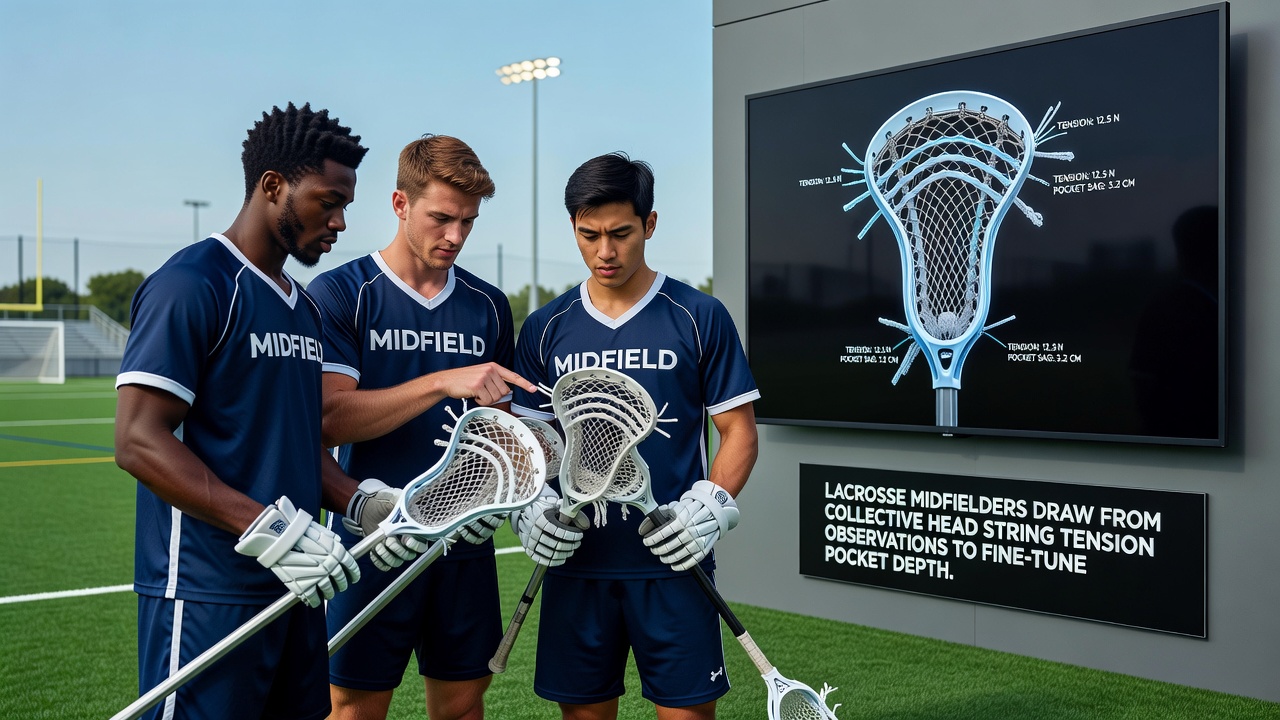
String tension refers to the tightness of the nylon or synthetic cords that hold the mesh in place within the plastic head, and this element determines how the pocket forms around the ball during a face-off. When tension increases in specific zones, the pocket becomes shallower, which reduces ball movement on the initial clamp and allows quicker release toward teammates. Data from equipment tracking shows that consistent tension measurements across multiple sticks lead to repeatable pocket shapes, whereas uneven tension creates variability that lowers control percentages in high-pressure match situations.
Pocket Depth Adjustments and Face-Off Mechanics
Pocket depth describes the vertical distance the ball sinks into teh mesh after the face-off clamp, and midfielders fine-tune this measurement by loosening or tightening head strings based on collective notes from prior games. Shallower pockets often improve initial ball security on fast breaks, yet deeper configurations can aid in ground ball pickups when the face-off results in a scramble. Observers note that players who reference archived tension data before matches achieve higher success rates, because the adjustments align the pocket profile with specific field conditions such as grass length or moisture levels encountered during league play.
Collective Data Sharing Among Midfielders
Teams maintain digital records of string tension readings taken before and after matches, and these archives allow midfielders to compare outcomes across different head models and mesh types. One study from the Canadian Lacrosse Association highlighted how groups that pooled tension observations reduced face-off turnover rates by aligning pocket depths to individual player grip styles. Midfielders review these logs during practice sessions to identify which tension settings correlate with higher win percentages on draws, and the process incorporates variables such as string material stretch over time and temperature effects on nylon elasticity.
What's interesting is how regional differences appear in the data, since indoor league surfaces demand tighter tension settings compared to outdoor grass fields where pockets can sit slightly deeper without sacrificing control. Players in the National Lacrosse League, for instance, often reference tension benchmarks established during summer training camps, then refine them further as the schedule moves into August 2026 league openers.
Impact on League Match Performance
Face-off control rates serve as a key performance metric in league standings, and adjustments derived from collective tension observations have produced measurable gains in several documented cases. Midfielders who apply these insights report improved ball retention on 60-70 percent of draws when pocket depths match the tension profiles logged from previous similar conditions. Research from university sports engineering programs indicates that small tension changes of even half a pound per string can shift pocket depth by several millimeters, which alters the angle at which the ball exits the head during a successful face-off win.
Teams preparing for the 2026 season incorporate these findings into pre-match routines, and equipment managers now log tension values alongside video review of face-off sequences. This integrated approach allows midfielders to predict how a given pocket depth will perform against specific opposing clamps, while also accounting for wear patterns that develop in the mesh after repeated high-impact draws.
Equipment Variations and Observation Patterns
Different head shapes and mesh weaves respond uniquely to tension adjustments, so collective records often categorize data by equipment model to isolate effective combinations. Midfielders examine how traditional nylon strings compare with newer hybrid materials that maintain tension longer under repeated clamping forces, and these comparisons feed into broader team strategies. Data shows that groups maintaining detailed tension logs across multiple seasons identify trends faster than those relying on individual trial and error, particularly when preparing for back-to-back matches where recovery time between games limits experimentation.
League schedules in August 2026 will feature expanded use of these shared observation systems, as more programs adopt standardized tension measurement tools that integrate with existing training software. This development builds on earlier patterns where archived face-off statistics guided equipment choices for entire rosters rather than single players.
Conclusion
Collective head string tension observations continue to shape how midfielders refine pocket depths ahead of league matches, and the resulting adjustments support higher face-off control rates across competitive levels. Teams that maintain and reference these records demonstrate consistent performance gains, while equipment manufacturers monitor the data to develop heads and meshes that respond predictably to tension changes. The practice of pooling observations across players and seasons has become standard in programs focused on face-off dominance, and upcoming schedules will likely see further integration of these methods into daily preparation.