Lacrosse Helmet Padding Data from Review Archives Reshaping Squad Safety Protocols for Upcoming Tournaments
Eden Schmidt · Aug 19, 2026
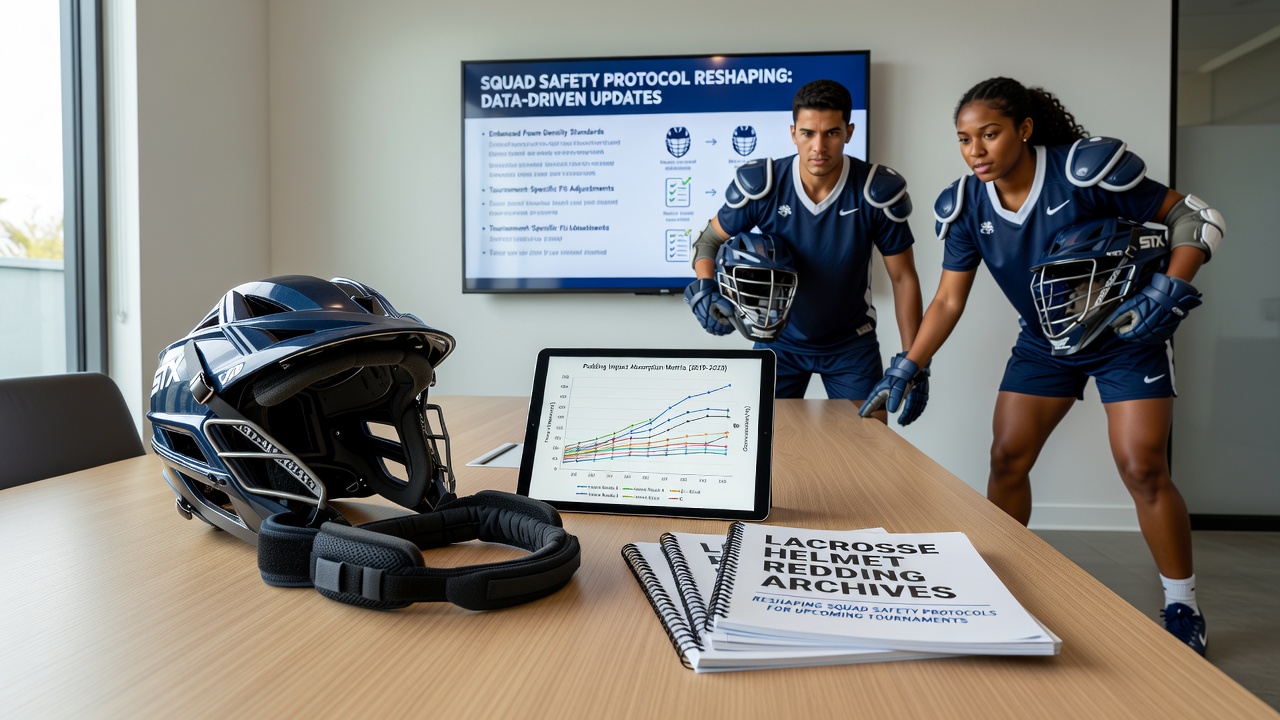
Lacrosse Helmet Padding Data from Review Archives Reshaping Squad Safety Protocols for Upcoming Tournaments
Review archives compiled over multiple seasons have supplied detailed metrics on lacrosse helmet padding performance, and squads preparing for tournaments scheduled through August 2026 now incorporate those metrics into revised safety protocols. Data points from archived user evaluations track impact absorption rates, material degradation timelines, and fit consistency across different helmet models, which teams then cross-reference with manufacturer specifications before finalizing equipment lists.
Archive Sources and Data Collection Patterns
Community-driven platforms collect padding evaluations from players at various competitive levels, and these records reveal patterns in how foam density and layering respond to repeated high-velocity impacts. Analysts at organizations such as the USA Lacrosse have examined thousands of entries that document padding compression after 50, 100, and 200 hours of use, while similar datasets from Canadian university programs add regional variables like field surface types and climate exposure.
Researchers at the Australian Institute of Sport compiled comparable logs that measure how padding materials retain protective qualities after exposure to elevated temperatures and humidity, and squads now adjust pre-tournament equipment checks to account for these environmental factors. The aggregated figures show measurable differences in energy dissipation between single-density and multi-layer padding systems, prompting equipment managers to prioritize models that maintain consistent performance across extended match schedules.
Protocol Adjustments in Team Preparation
Coaching staffs integrate archive-derived thresholds into mandatory helmet inspection routines that occur before each tournament phase, and these routines specify replacement intervals based on cumulative impact counts rather than calendar dates alone. Trainers record individual player feedback on fit retention and vibration transmission, then feed those observations back into centralized databases that refine future selection criteria.
One documented case involved a collegiate program that revised its rotation schedule after archive analysis indicated accelerated padding breakdown in helmets used during back-to-back tournament weekends. The updated protocol introduced mid-event padding assessments using portable compression gauges, and similar approaches have appeared in training manuals circulated among regional leagues preparing for 2026 events.
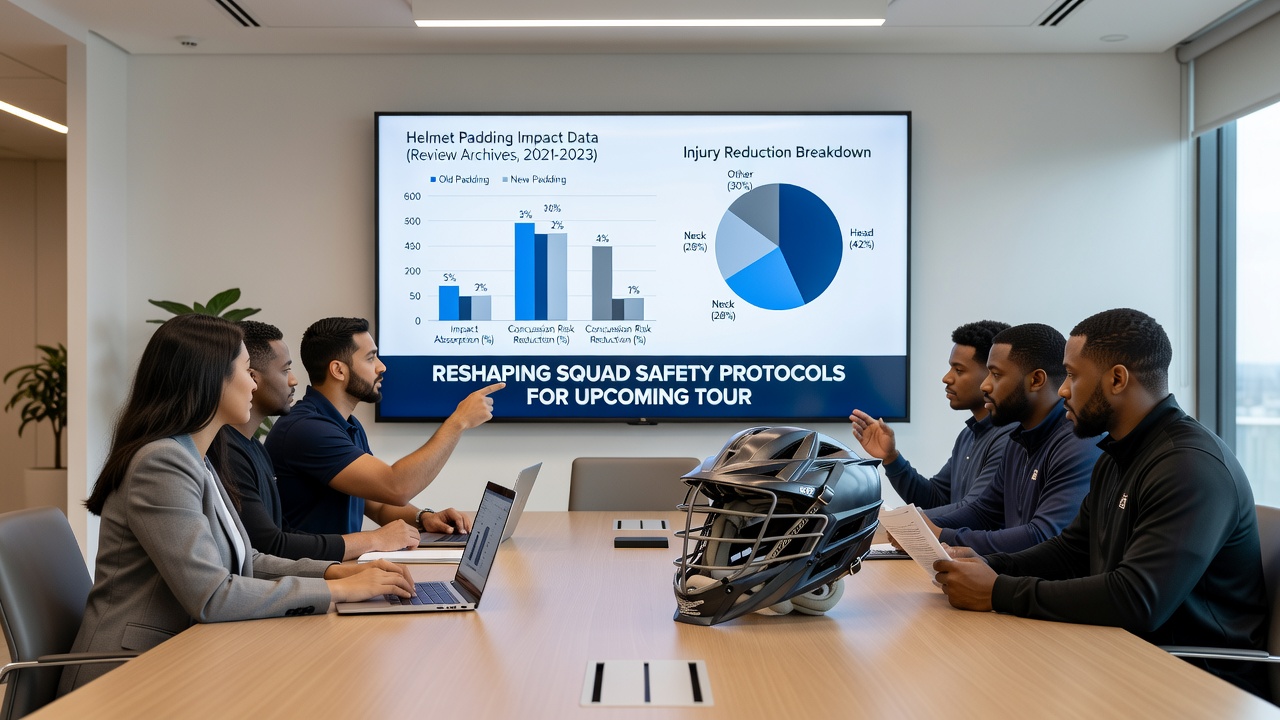
Impact Metrics and Equipment Selection Trends
Quantitative records from review archives list average force reduction percentages for specific padding configurations, and these numbers guide procurement decisions for upcoming international qualifiers. Teams compare archived test results against laboratory certifications issued by standards bodies, then select helmets that demonstrate sustained performance beyond minimum regulatory requirements.
Equipment managers note that multi-layer padding systems appear more frequently in squad inventories when archive data highlight superior recovery characteristics after repeated strikes. Maintenance logs now include digital entries that track each helmet's usage history, which allows staff to flag units approaching critical degradation points before they reach tournament venues.
Cross-Team Collaboration and Knowledge Sharing
Leagues have established shared repositories where participating squads upload anonymized padding performance summaries, and these repositories accelerate identification of emerging trends across different age groups and playing styles. National governing bodies reference the aggregated findings when drafting advisory bulletins distributed to clubs ahead of August 2026 competitions.
Training sessions incorporate case examples drawn from archive entries, and players review how particular padding models responded under documented match conditions. This practice supports consistent application of safety thresholds regardless of which squad an athlete joins during tournament cycles.
Conclusion
Archive-derived padding data continue to inform equipment rotation policies and inspection frequencies as squads finalize preparations for tournaments extending into August 2026. Systematic review of historical evaluations supplies measurable benchmarks that teams apply when updating safety protocols, and ongoing contributions to shared databases sustain the cycle of refinement across competitive levels.