How Shared User Insights on Equipment Durability Shape Choices for Extreme Weather Cycling Expeditions
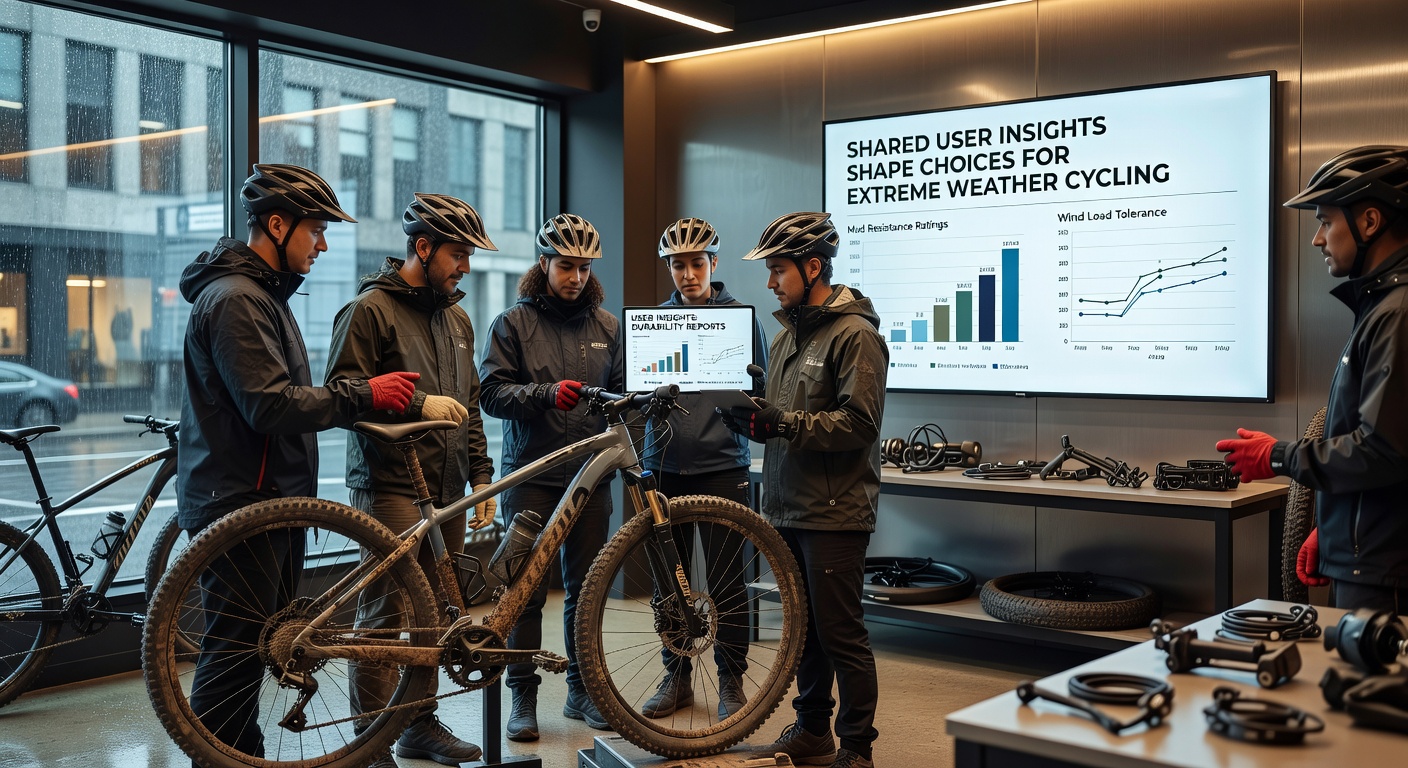
Shared user insights on equipment durability have become a driving force behind decisions for extreme weather cycling expeditions where riders face relentless rain, subzero temperatures, high winds, and abrasive terrain that quickly expose weaknesses in frames, wheels, drivetrains, and protective layers. Cyclists who document failures and successes on forums, review platforms, and expedition logs create a collective knowledge base that influences what gear others select for multi-week journeys across remote regions like the Andes or Arctic trails. These firsthand accounts often highlight how specific materials hold up under prolonged exposure, prompting groups to favor reinforced options over lighter alternatives that might compromise safety when conditions deteriorate rapidly.
Patterns Emerging from Collective User Data
Observers note that durability discussions frequently center on tire performance in mixed snow and mud, where users report sidewall tears after repeated impacts on rocky, frozen surfaces. Data collected across multiple expeditions shows riders shifting toward tubeless setups with thicker casings after learning from earlier groups whose standard tires deflated under pressure changes caused by altitude and cold snaps. What's interesting is how these shared experiences translate into pre-expedition modifications, such as adding protective tape or selecting wheels with higher spoke counts that resist deformation when loaded with supplies for weeks at a time.
Research indicates that electronic components like GPS units and lighting systems also draw considerable attention because battery life and waterproof seals fail unpredictably in sustained downpours or sudden temperature swings. People planning routes through coastal storms or high-desert extremes consult aggregated reports before committing to particular brands, and figures reveal a measurable uptick in selections for models that survived user-documented tests in comparable environments during the past two seasons.
Material Choices Informed by Real-World Testing
Turns out the conversation around frame materials has grown more nuanced as cyclists exchange data on corrosion resistance and flex under heavy loads. Steel frames receive frequent mentions for their ability to endure repeated freeze-thaw cycles without cracking, while carbon options appear less often in logs from expeditions crossing salt flats or coastal zones where moisture intrusion becomes a concern. One study from an academic research group in Canada tracked material degradation rates and confirmed that user-shared photos of micro-fractures after 500 kilometers in wet conditions accelerated preferences for hybrid constructions among organizers of group tours scheduled for spring 2026.
Clothing systems follow a similar trajectory. Layering strategies evolve based on reports detailing seam failures in waterproof shells after prolonged wind-driven rain. Those planning expeditions now cross-reference multiple accounts before selecting integrated ventilation features that prevent overheating during climbs followed by rapid descents into colder valleys. External validation from sources such as Adventure Cycling Association reports supports these patterns by compiling rider feedback into broader recommendations that emphasize tested longevity over initial weight savings.
Influence on Expedition Planning and Gear Sourcing
Expedition planners increasingly integrate user-generated durability metrics into procurement decisions because isolated lab tests rarely replicate the combination of vibration, moisture, and load that occurs over thousands of kilometers. Groups preparing for May 2026 departures across the Patagonian ice fields, for instance, review timelines of component replacements shared by previous teams to calculate spare-part quantities more accurately. This approach reduces mid-route improvisations that can extend trip durations or increase safety risks when replacement items are unavailable in isolated areas.
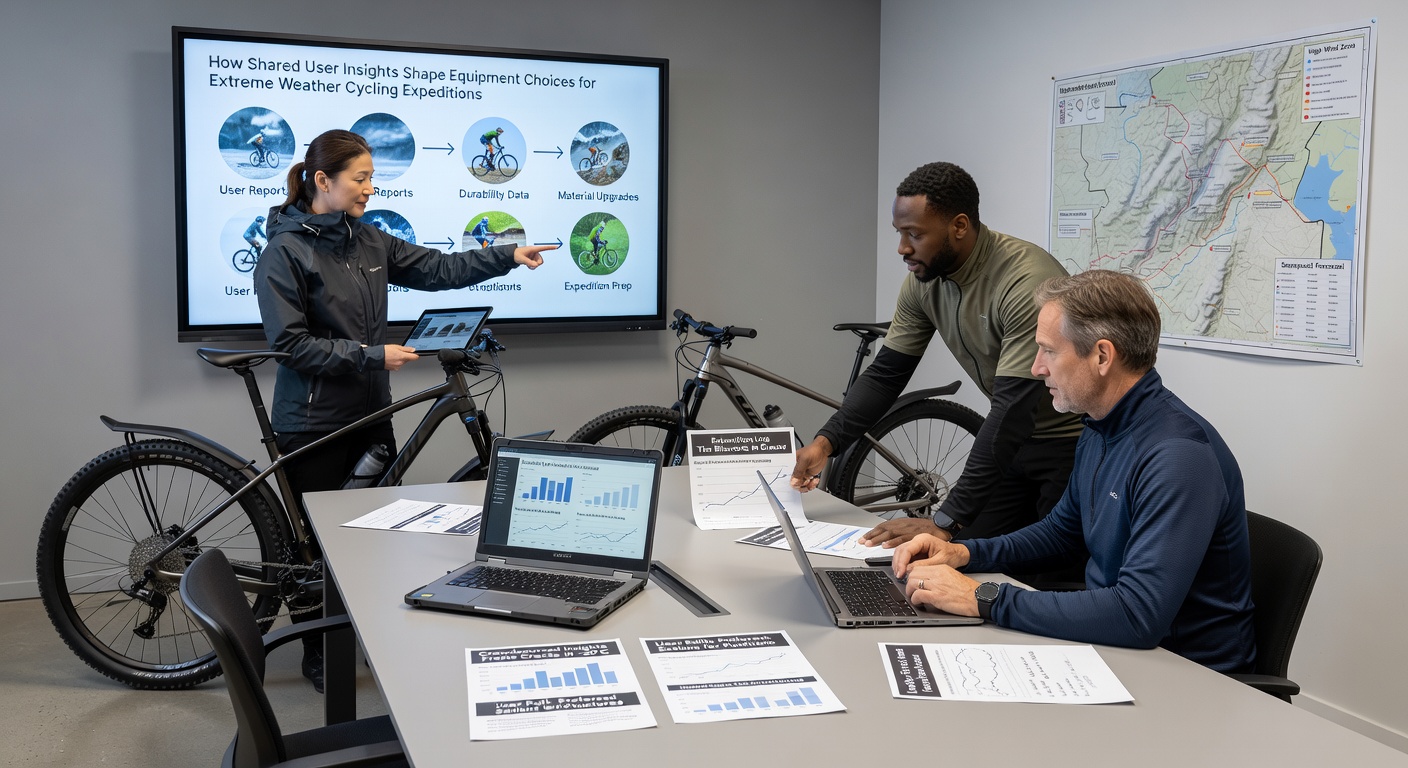
But here's the thing: manufacturers also monitor these conversations and adjust product lines accordingly. Observations from industry trade groups show an uptick in models featuring modular repair points or upgraded seals after consistent feedback highlighted recurring weak spots. Riders benefit when subsequent iterations incorporate fixes derived directly from aggregated field data rather than assumptions made during initial design phases.
Geographic and Seasonal Variations in Reported Durability
Insights vary by region because extreme weather manifests differently across latitudes. Cyclists tackling northern European routes emphasize resistance to constant drizzle and grit accumulation, while those in Australian outback conditions focus on UV degradation and dust infiltration into bearings. Aggregated reports allow future teams to anticipate these differences and select accordingly, often blending components proven across multiple climates. Data from meteorological agencies such as Australia's Bureau of Meteorology helps correlate specific weather events with equipment outcomes, adding another layer of precision to choices made months in advance.
Conclusion
Collective user insights on equipment durability continue to refine the decision-making process for extreme weather cycling expeditions by providing practical evidence that complements manufacturer specifications. As more riders contribute detailed accounts of component lifespans and failure modes, the resulting body of knowledge supports safer, more efficient planning for demanding routes. This ongoing exchange ensures that selections reflect tested performance in actual conditions rather than theoretical projections alone.