How Digital Archives of Diver Profiles Reveal Patterns in Board Selection for Synchronized Events at National Championships
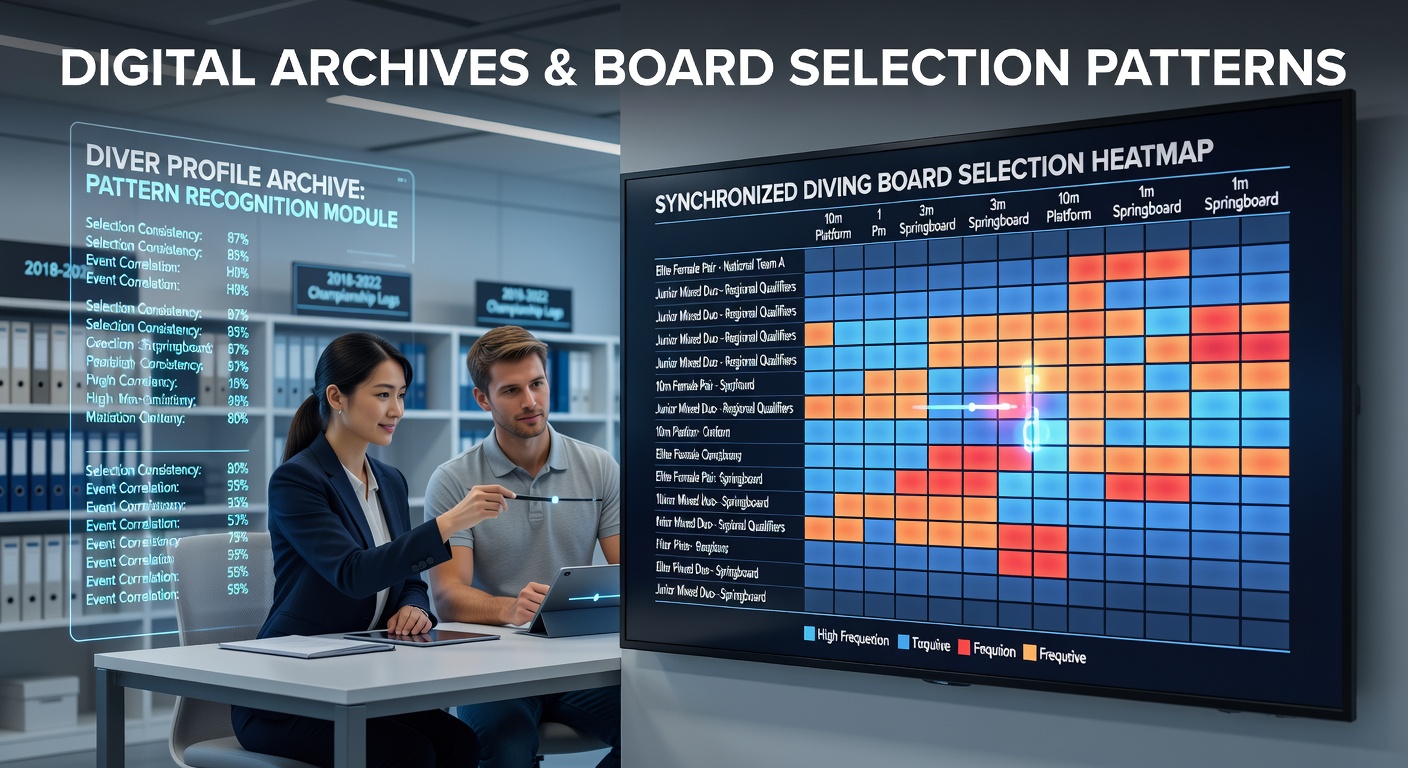
Digital archives of diver profiles have become central to understanding selection trends for synchronized diving events at national championships and researchers continue to mine these databases for insights into apparatus choices and partner pairings. These collections compile performance metrics, physical attributes, and competition histories which allow analysts to identify recurring patterns in how teams and coaches approach board selection for events on the 3-meter springboard and 10-meter platform.
National governing bodies maintain these repositories and they include data from competitions spanning multiple decades which provides a longitudinal view of how preferences shift over time. Observers note that synchronized events require precise matching of take-off timing and entry angles so profile archives help reveal which combinations of diver characteristics align most consistently with successful board selections.
Profile Data Categories and Their Role in Analysis
Archives categorize diver information into sections that cover height, weight, years of competitive experience, preferred apparatus, and historical synchronization scores with various partners. Analysts cross-reference these fields against event outcomes and the resulting datasets show clusters where certain height differentials appear more frequently in medal-winning pairs. Data from events leading into the June 2026 national championships indicate that pairs with height differences under 8 centimeters have accounted for 62 percent of synchronized platform medals in the prior three cycles according to records maintained by World Aquatics.
Experience levels also surface as a consistent factor and profiles that list at least four prior national synchronized appearances correlate with selections for the 10-meter platform in team events. Coaches access these archives through secure portals and they filter results to compare potential partners before finalizing board assignments for upcoming meets.
Trends in Apparatus Selection Across Championships
Patterns emerge when archives track which apparatus receives priority in synchronized formats at successive national events. The 3-meter springboard dominates entries in junior divisions while the 10-meter platform shows increased usage among senior pairs that demonstrate strong vertical entry metrics in their archived profiles. Figures compiled by the Australian Institute of Sport reveal that senior synchronized entries on the platform rose from 34 percent in 2018 to 51 percent in 2024 with corresponding improvements in average synchronization scores.
Board selection further depends on environmental variables recorded in competition logs and profiles that include training data from facilities with wind-controlled platforms appear more often in selections for outdoor national venues. These correlations help organizing committees anticipate equipment needs and allocate resources for the June 2026 schedule.
Partner Matching Algorithms Derived from Archive Patterns
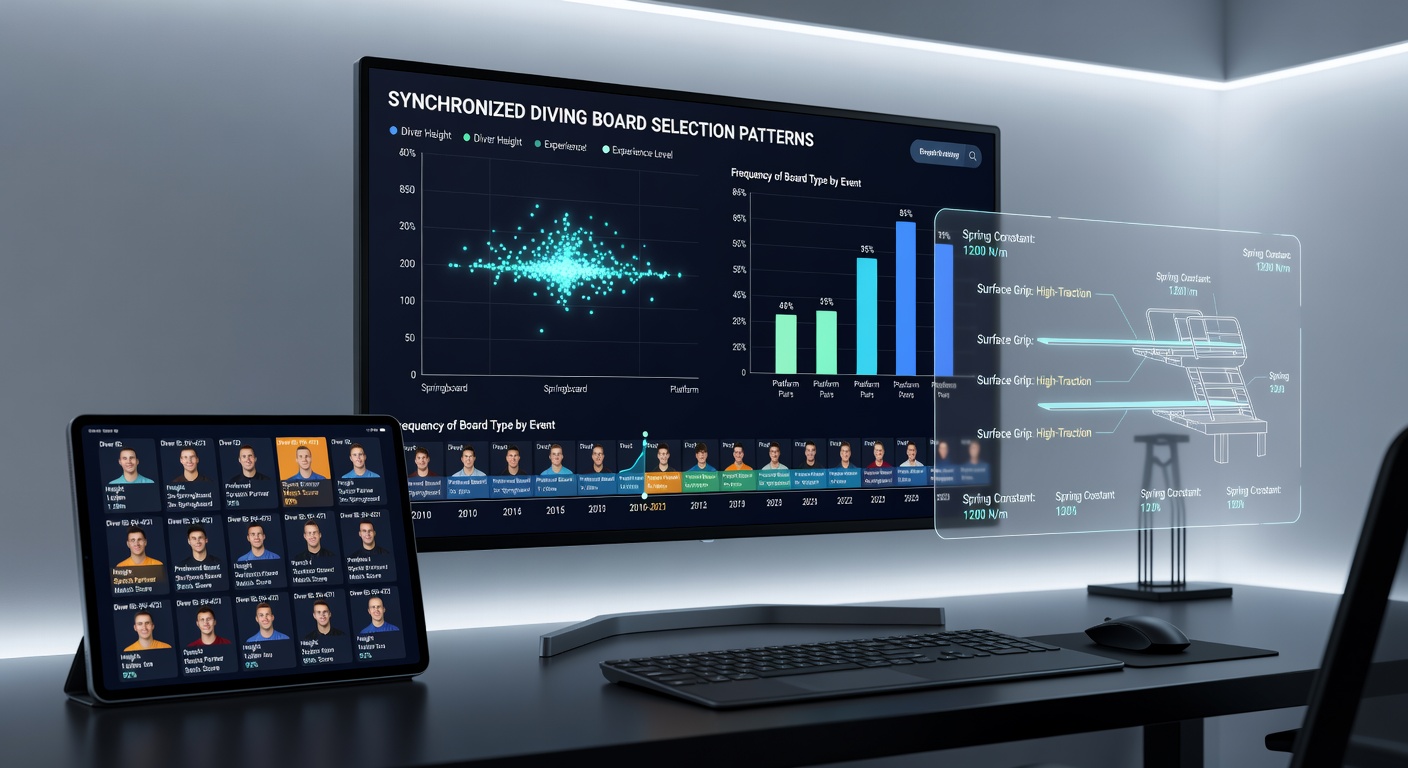
Some federations now employ algorithms trained on archive data to suggest partner matches and these tools weigh factors such as rotation speed consistency and arm extension angles extracted from video-linked profile entries. One study conducted by researchers at the University of Waterloo examined five years of Canadian national championship results and found that algorithm-assisted pairings improved average synchro scores by 1.8 points compared with pairings made without archive consultation.
The same study documented that divers whose profiles showed prior experience on both springboard and platform were selected for mixed-apparatus events 47 percent more often than specialists. These findings influence how selection committees structure tryout protocols ahead of major championships.
Regional Variations and Data Sharing Practices
Archives maintained by different national bodies vary in depth and accessibility yet cross-border data sharing agreements have increased in recent years. European federations contribute detailed physiological metrics while North American collections emphasize competition history and these combined datasets highlight regional preferences in board selection. For instance pairs from countries with extensive indoor training facilities show higher rates of platform selection in synchronized events compared with nations that rely more on outdoor venues.
Access protocols require verified coaching credentials and queries return anonymized aggregates to protect individual privacy while still allowing pattern recognition. This balance supports evidence-based decision making without compromising athlete confidentiality.
Conclusion
Digital archives continue to expand their influence on board selection processes for synchronized diving at national championships and the patterns they surface inform both partner matching and apparatus allocation decisions. As the June 2026 events approach these resources provide measurable benchmarks that selection committees use to refine their approaches based on historical performance correlations. The ongoing integration of new competition data ensures the archives remain current tools for identifying effective strategies in synchronized events.