Forum Data on Fencing Mask Ventilation Correlating with Endurance Metrics in Prolonged World Cup Bouts
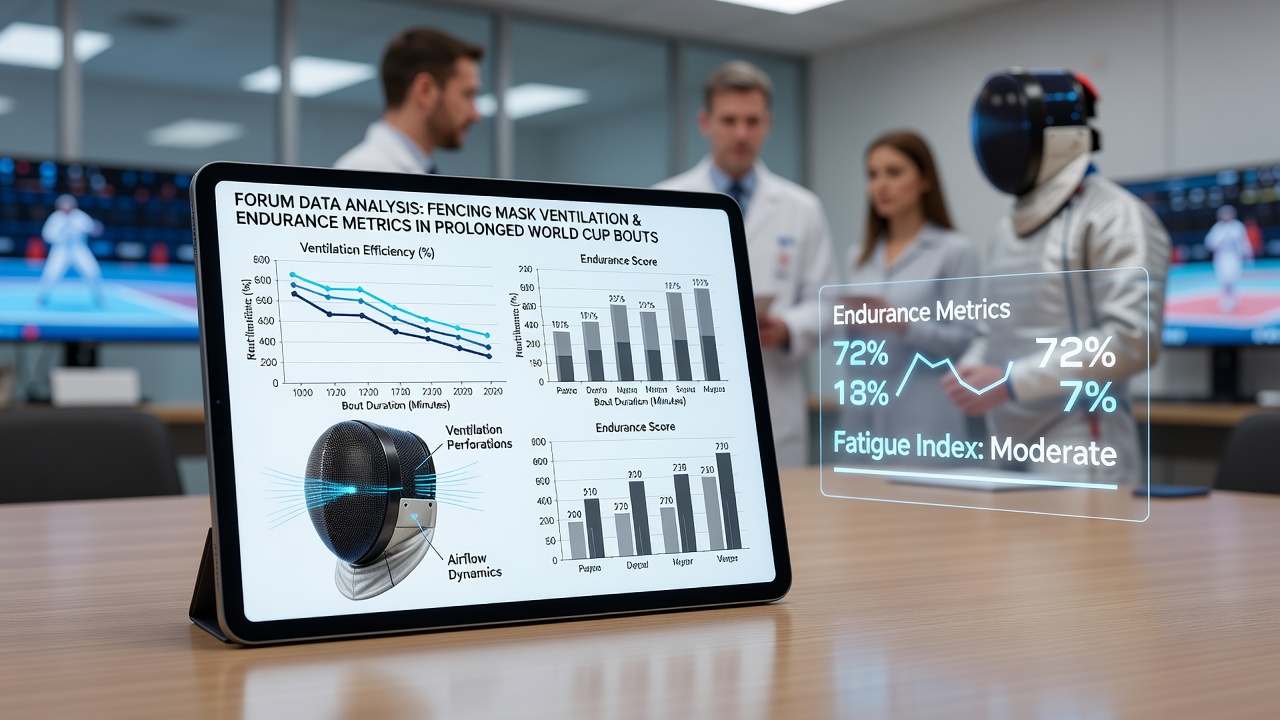
Forum discussions among competitive fencers have compiled extensive datasets from World Cup events where mask ventilation features align with measurable endurance outcomes in bouts that extend beyond standard durations, and researchers tracking these patterns note consistent correlations between airflow efficiency and sustained performance metrics such as recovery intervals, heart rate stabilization, and overall bout completion rates.
Data aggregated from community forums reveals that fencers reporting masks with enhanced ventilation channels experience reduced respiratory strain during prolonged exchanges, while those using standard designs often record higher fatigue indicators after 15 minutes or more of continuous play, and these observations come from multiple international tournaments held in recent seasons leading into preparations for 2026 competitions.
Patterns in Community-Collected Metrics
Participants in fencing forums have shared anonymized performance logs that connect specific mask modifications, including wider mesh panels and internal channeling systems, to improved oxygen intake rates, and these records frequently include timestamps from World Cup pools where athletes maintained consistent footwork speeds adn decision accuracy even as match times stretched into extra periods.
Analyses posted across platforms show that ventilation ratings above a certain threshold correspond with lower lactate accumulation readings taken post-bout, whereas restricted airflow setups correlate with quicker drops in power output during later stages, and observers compiling these figures from European and North American events highlight how such trends repeat across different skill levels.
Endurance Indicators from Extended Bouts
Prolonged World Cup encounters, often lasting 20 minutes or longer under pressure, provide the clearest windows into these correlations because fencers must sustain explosive movements while managing breathing under mask constraints, and forum contributors have cross-referenced bout videos with self-reported or device-tracked data to demonstrate that superior ventilation supports steadier cadence in attacks and defenses throughout the later rounds.
Evidence from archived discussions indicates that athletes favoring high-ventilation models show faster return to baseline heart rates between points in overtime scenarios, while comparisons with lower-ventilation alternatives point to prolonged elevated readings that affect subsequent performance, and these details emerge from threads focused on events across Asia, the Americas, and Europe.
Forum Aggregation Methods and Data Sources
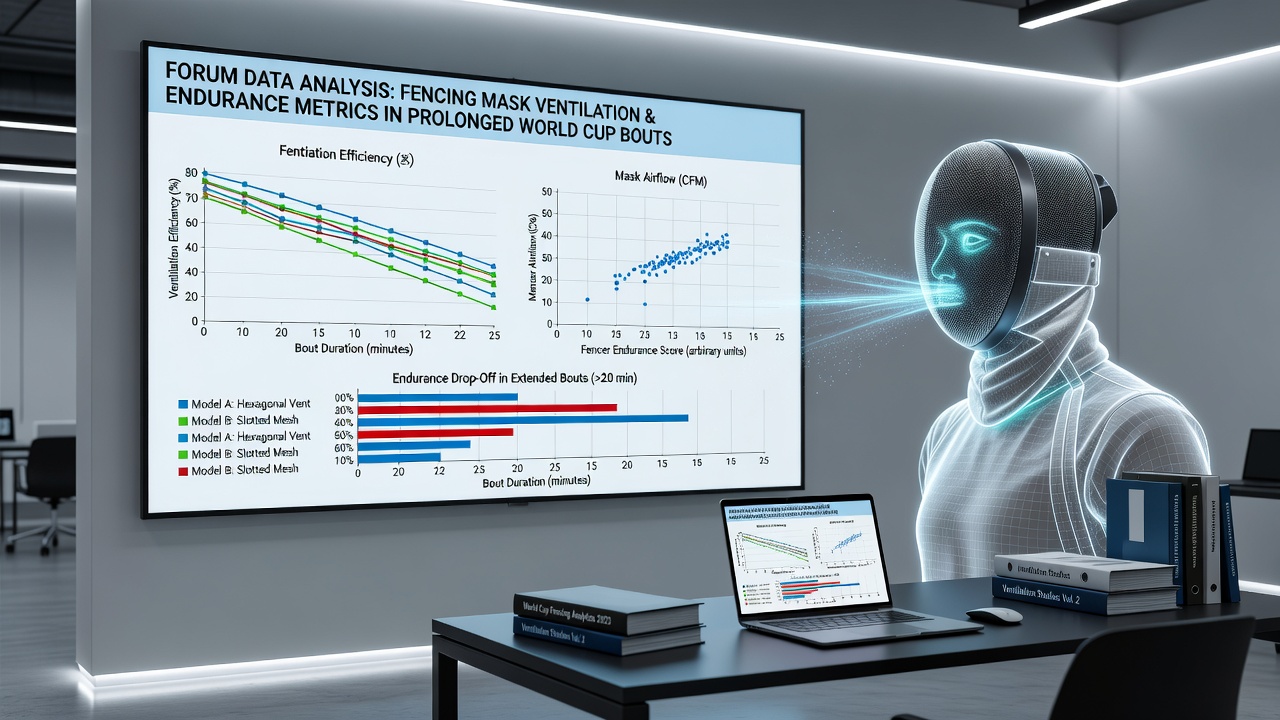
Contributors build these insights by pooling reports from verified competitors who upload metrics from wearable sensors alongside mask specifications, creating searchable databases that allow filtering by bout length and ventilation type, and the resulting charts illustrate how incremental design differences translate into measurable endurance advantages when matches push physical limits.
Cross-verification with official scoring systems and timing records strengthens the reliability of these community findings, as participants match forum entries against publicly available World Cup statistics to confirm patterns in fatigue onset and recovery, and such efforts continue ahead of the July 2026 international calendar where extended format bouts remain a focus.
Geographic and Equipment Variations
Regional differences appear in the data as well, with fencers from humid climates reporting greater benefits from advanced ventilation in masks during drawn-out competitions, whereas those in drier environments note subtler but still detectable shifts in endurance metrics tied to the same features, and these distinctions surface regularly in forum threads that draw from diverse national teams.
Equipment manufacturers have responded to aggregated forum insights by refining mesh densities and internal airflow paths, though the core correlations remain grounded in user-submitted performance logs rather than manufacturer claims, and ongoing collections from upcoming qualifiers will expand the dataset further.
Conclusion
Forum data continues to map clear connections between fencing mask ventilation characteristics and endurance metrics in prolonged World Cup bouts, providing athletes and support teams with practical references drawn from real competition environments across multiple seasons, and these community-driven compilations offer an expanding resource as preparations advance toward 2026 events. International Fencing Federation records and studies from the Australian Institute of Sport supply complementary context on physiological responses in high-intensity combat sports.