Fencers Pool Data on Mask Ventilation Systems to Adjust Strategy Drills Before National Tournaments
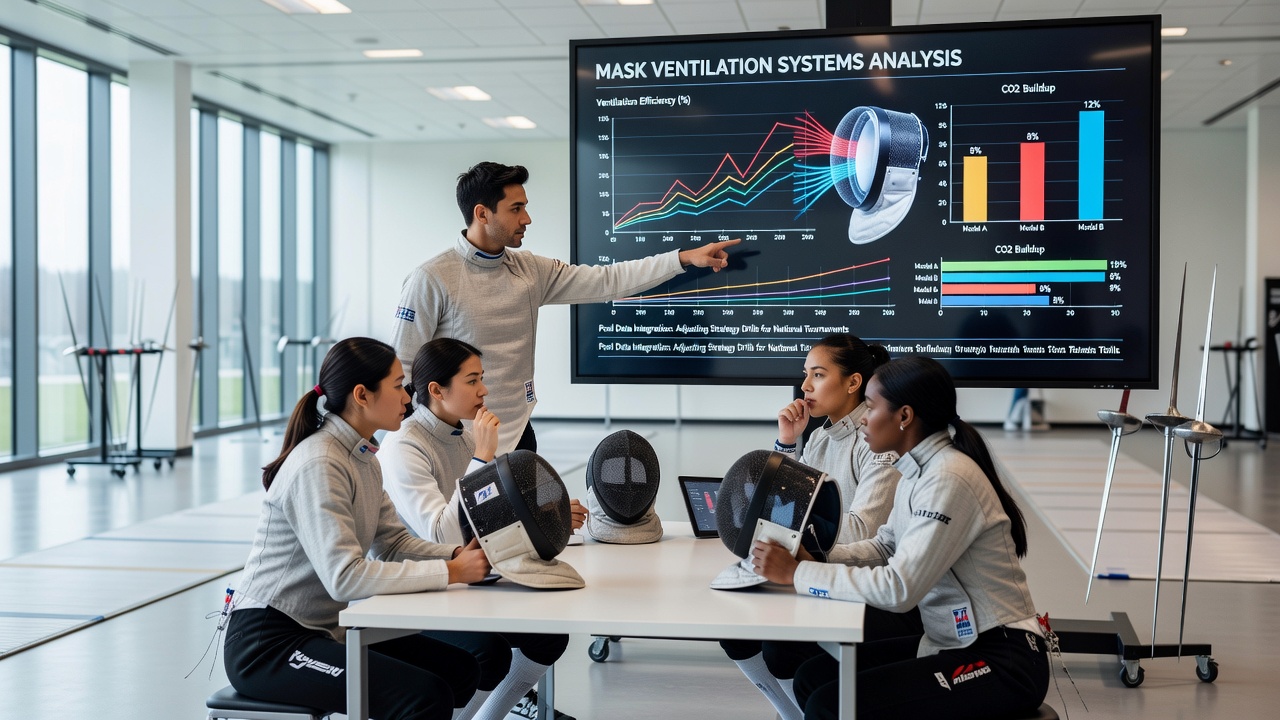
Competitive fencers have begun pooling anonymized performance metrics from mask ventilation systems, and these datasets now influence how coaches structure strategy drills in the months leading up to major national events. The practice emerged from earlier equipment studies that tracked airflow resistance, carbon dioxide buildup, and humidity levels inside standard fencing masks during extended bouts. Researchers at the Australian Institute of Sport published findings in 2024 showing that masks with improved lateral vents reduced peak CO2 concentrations by 18 percent compared with traditional designs, which allowed athletes to maintain higher work rates across three-minute periods.
Data Collection Methods Across Training Centers
Coaches and equipment technicians attach small sensors to the interior frames of masks before practice sessions begin, and the devices record real-time ventilation rates, breathing frequency, and temperature gradients. Athletes then upload the files to shared cloud platforms where regional clubs can compare results from different mask models and ventilation configurations. One club in Ontario documented how switching to a mask with dual exhaust channels lowered average heart rates by six beats per minute during footwork sequences, while another group in Barcelona recorded similar drops when they added removable vent filters that prevented debris accumulation.
These pooled records also capture contextual variables such as bout duration, weapon type, and ambient gym temperature, which helps analysts isolate the specific contribution of mask ventilation to overall workload. The resulting spreadsheets feed directly into periodized training plans that adjust drill intensity based on the previous week's ventilation data rather than relying solely on subjective fatigue reports from the fencers themselves.
Adjusting Strategy Drills Using Ventilation Metrics
Coaches now examine ventilation curves to decide when to introduce complex tactical patterns that demand sustained concentration. When data shows elevated CO2 levels after the second minute of a drill, trainers shorten the sequence or insert recovery footwork instead of continuing with high-pressure decision-making exercises. In one documented case, a Midwest academy noticed that fencers using older mask models exhibited breathing spikes during counter-riposte drills, so they moved those exercises earlier in the session when fresh air exchange remained optimal.
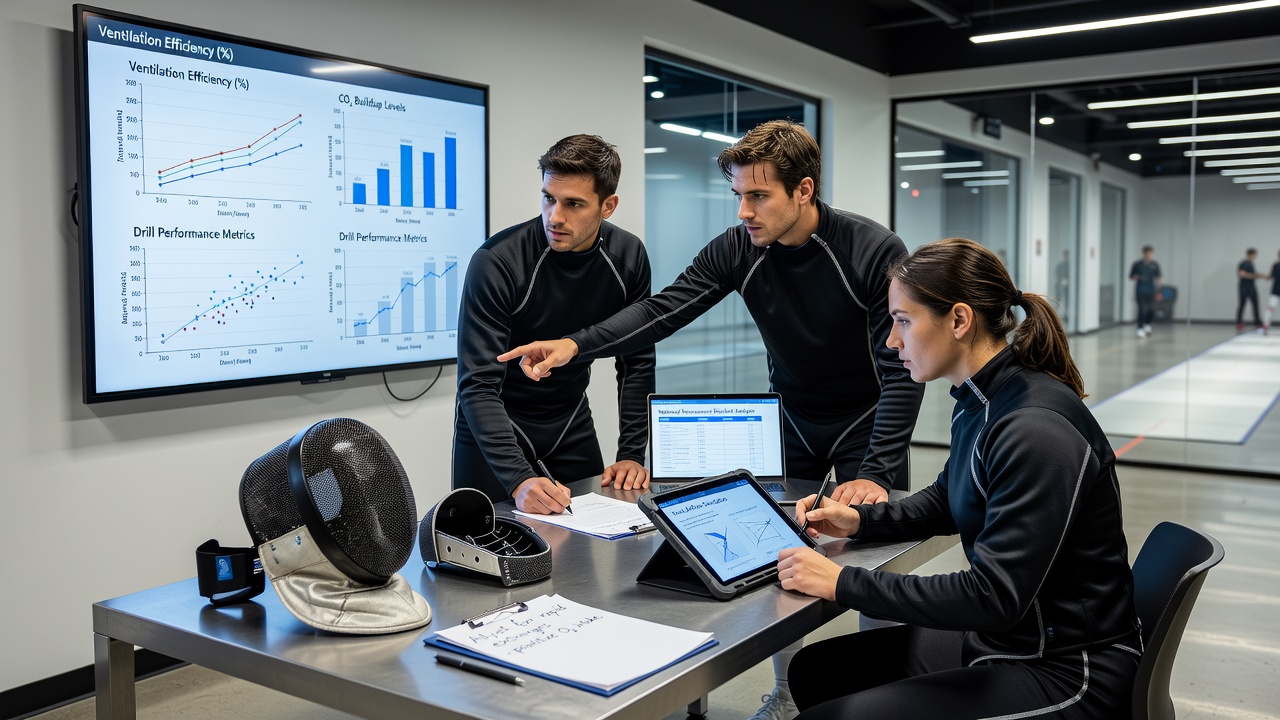
Strategy adjustments extend beyond session timing and include equipment selection. Several teams have begun rotating between two or three mask variants depending on the tactical focus of each day, and the pooled datasets help predict which configuration supports the desired breathing profile. For example, masks with larger chin vents appear to favor aggressive forward-pressure drills, while tighter-fitting models with side baffles correlate with better control during defensive counter-attacks according to logs compiled ahead of the 2025 national selection camps.
Preparation Patterns Ahead of June 2026 Events
National tournament calendars list several key fencing events for June 2026, and clubs have already begun refining their ventilation-informed protocols. Data from the preceding winter training block shows that athletes who maintained stable ventilation metrics across repeated high-intensity intervals also produced more consistent point-scoring patterns in simulated matches. Trainers therefore incorporate targeted mask-specific warm-ups that activate the respiratory muscles before strategy sessions begin, and they monitor post-drill recovery curves to confirm the effectiveness of each adjustment.
European federations have started requiring anonymized ventilation summaries as part of pre-competition medical declarations, which adds another layer of standardization to the shared datasets. Observers note that this requirement has accelerated collaboration between clubs that previously kept their equipment testing private, and the expanded sample sizes now allow statisticians to identify ventilation thresholds that predict performance plateaus during five-touch bouts.
Integration with Existing Training Technologies
Many programs combine mask ventilation data with footwork tracking mats and heart-rate monitors, creating layered profiles that reveal interactions between breathing efficiency and movement economy. A study conducted through the Canadian Sport Institute linked lower mask resistance values to improved lunge recovery times, while researchers in New Zealand observed that humidity control inside the mask influenced grip tension measurements taken after extended drills. These cross-referenced findings help coaches prioritize which mask modifications deliver the largest strategic advantage before athletes travel to national venues.
Equipment manufacturers have responded by releasing modular vent kits that athletes can swap based on the day's training emphasis, and early adoption logs indicate that clubs using these kits report fewer mid-session mask adjustments during live sparring. The practice of pooling such granular data continues to expand as more national federations adopt digital reporting standards ahead of the 2026 season.
Conclusion
Fencers who systematically collect and compare mask ventilation measurements have developed clearer methods for calibrating strategy drills to individual respiratory profiles. The datasets accumulated over multiple training cycles now support evidence-based decisions about drill sequencing, mask selection, and recovery timing that directly precede national tournament preparation. As June 2026 events approach, continued expansion of these shared resources should further refine how ventilation parameters inform tactical development across competitive levels.