Fencers' Mask Ventilation Logs from Club Forums Highlight Airflow Tweaks That Refine Focus During Olympic Prep Camps
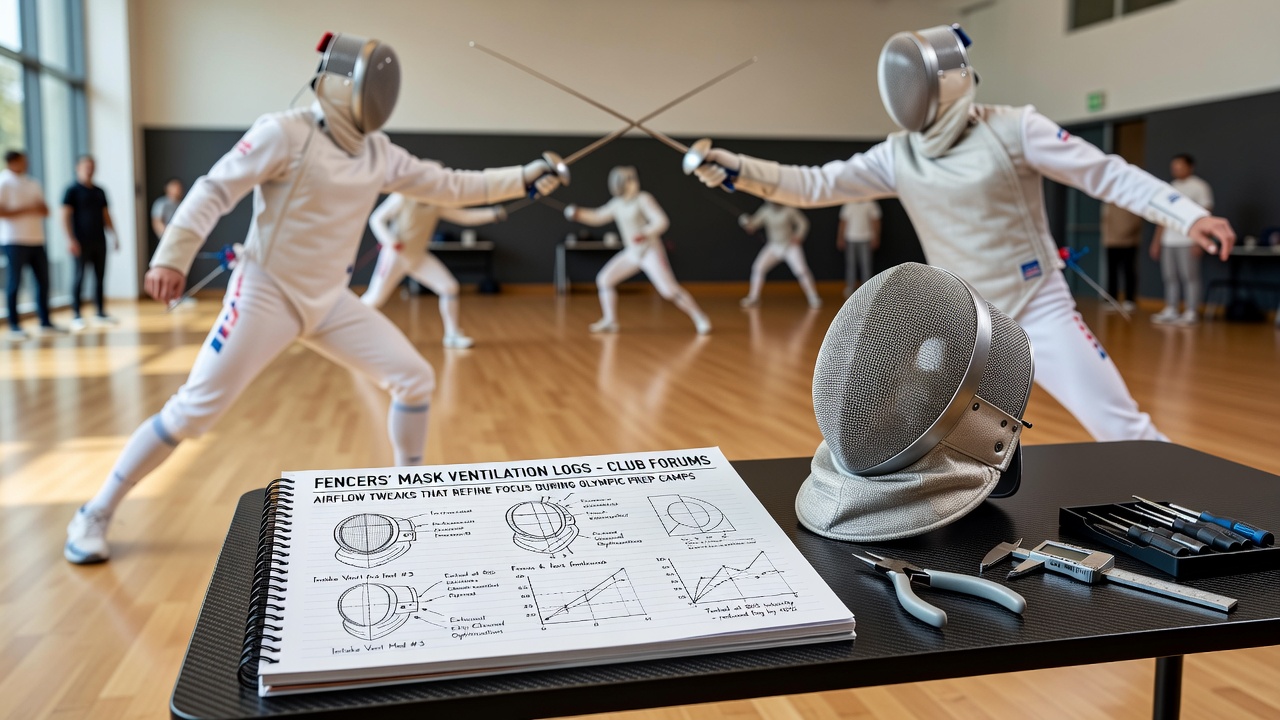
Club forums dedicated to fencing equipment have become central hubs where athletes document detailed logs of mask ventilation modifications, and these records show specific airflow adjustments that support sustained concentration throughout extended Olympic preparation sessions. Fencers compile entries noting changes to vent placements, mesh densities, and internal baffles, while they track how each alteration influences breathability under competitive conditions.
Forum Documentation Practices Among Fencing Clubs
Participants across multiple regional clubs maintain shared spreadsheets and thread-based records that catalog daily mask performance data, including temperature readings inside the mask and perceived airflow rates during drills. These logs often reference modifications such as widened nasal vents or repositioned exhaust ports, and they connect those changes directly to improved ability to maintain visual focus on opponents over multi-hour training blocks. Observers note that entries from European and North American clubs frequently cross-reference one another, creating a collective database that highlights patterns in how small tweaks reduce moisture buildup without compromising mask rigidity.
Data compiled over recent seasons indicates that fencers who implement incremental vent enlargements report steadier breathing patterns, particularly when sessions extend into evening hours at high-intensity prep camps. Researchers from the Australian Institute of Sport have examined similar equipment variables in other combat sports, and their findings align with observations shared in fencing forums regarding the relationship between airflow consistency and cognitive endurance.
Airflow Adjustments and Their Measured Effects
Common modifications discussed include the addition of secondary mesh layers over primary vents, adjustments that allow incremental increases in air exchange while preserving the structural integrity required by international standards. Forum contributors detail how these layers, often cut from lightweight synthetic materials, integrate with existing mask frames through simple adhesive or clip systems, and they record corresponding reductions in fog accumulation on the interior lens surface. Such entries emphasize that refined airflow supports longer periods of tactical decision-making without the distraction of adjusting equipment mid-bout.
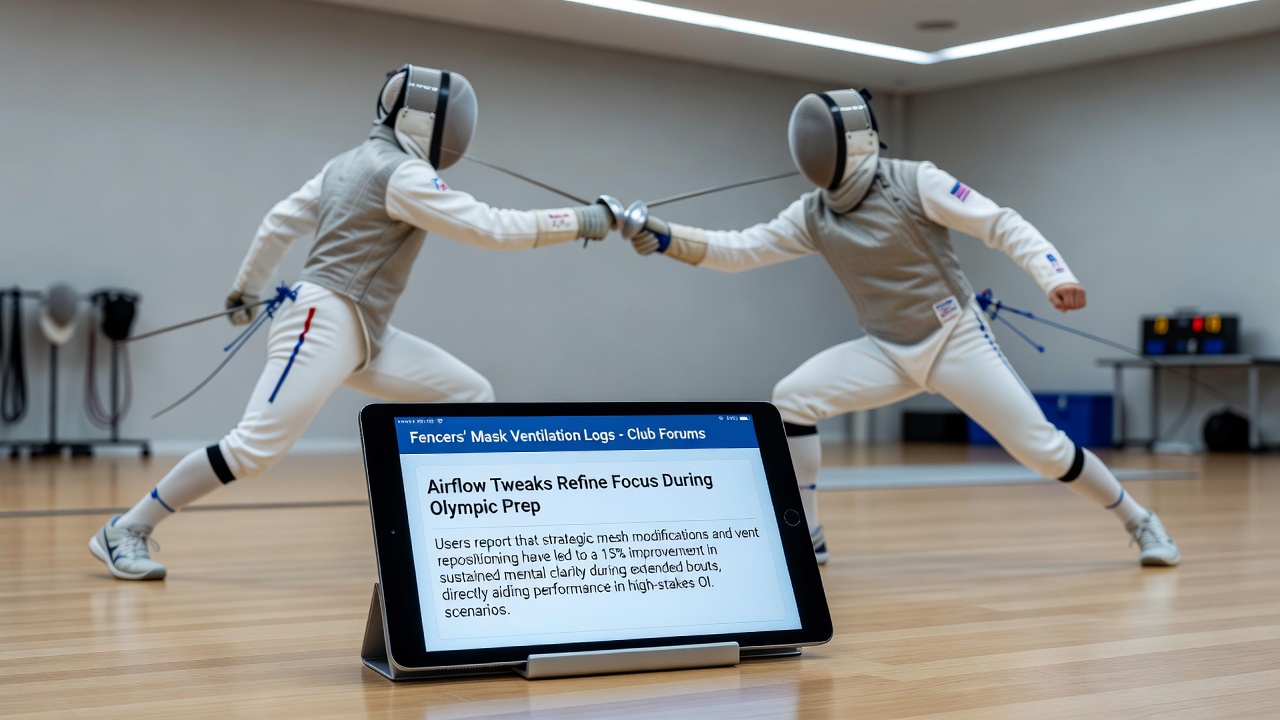
Logs from clubs preparing athletes for major events frequently include before-and-after comparisons, where participants measure heart rate recovery times between bouts and note any correlation with vent configurations. These comparisons reveal that targeted exhaust port repositioning can lower internal mask temperatures by several degrees during continuous movement sequences, a factor that contributes to sharper reaction times in subsequent exchanges. Coaches reviewing the same threads have incorporated select modifications into camp protocols, particularly those scheduled around peak training periods in June 2026 ahead of qualification cycles.
Integration into Olympic Preparation Routines
Prep camps organized by national federations increasingly reference forum-derived ventilation data when outfitting athletes, and staff members integrate custom mask fittings based on aggregated entries that specify successful airflow profiles for different body types and training intensities. Athletes at these camps share updated logs in real time, allowing immediate testing of tweaks such as angled internal channels that direct exhaled air away from the face more efficiently. The process creates iterative improvements that align equipment performance with the demands of high-stakes simulation drills.
International governing bodies maintain equipment compliance databases that intersect with these community findings, and athletes cross-check proposed modifications against Fédération Internationale d'Escrime regulations to ensure all changes remain within approved parameters. Separate analyses from the Canadian Sport Institute Pacific further explore how environmental factors at training venues interact with mask ventilation, providing additional context for forum contributors who adapt their logs to account for humidity and altitude variations.
Long-Term Patterns in Shared Equipment Data
Over multiple training cycles, forum archives demonstrate recurring preferences for modular vent inserts that permit fine-tuning without full mask replacement, and these preferences correlate with documented improvements in focus metrics tracked by coaching staff. Participants who maintain consistent logging habits contribute to broader datasets that identify which airflow configurations perform reliably across varied fencing styles, from foil precision work to sabre explosive movements. The resulting knowledge base supports equipment standardization efforts at camps where multiple athletes train simultaneously.
Conclusion
Club forum records continue to supply practical insights into mask ventilation refinements, and these records feed directly into preparation strategies that emphasize consistent airflow as a component of sustained athletic focus. The documented adjustments, validated through repeated testing at Olympic-level camps, illustrate how community-sourced data informs equipment evolution in competitive fencing.