Fan-Curated Comparisons of Cycling Helmet Ventilation Systems Linking Comfort Data to Endurance Records in Long-Distance Races
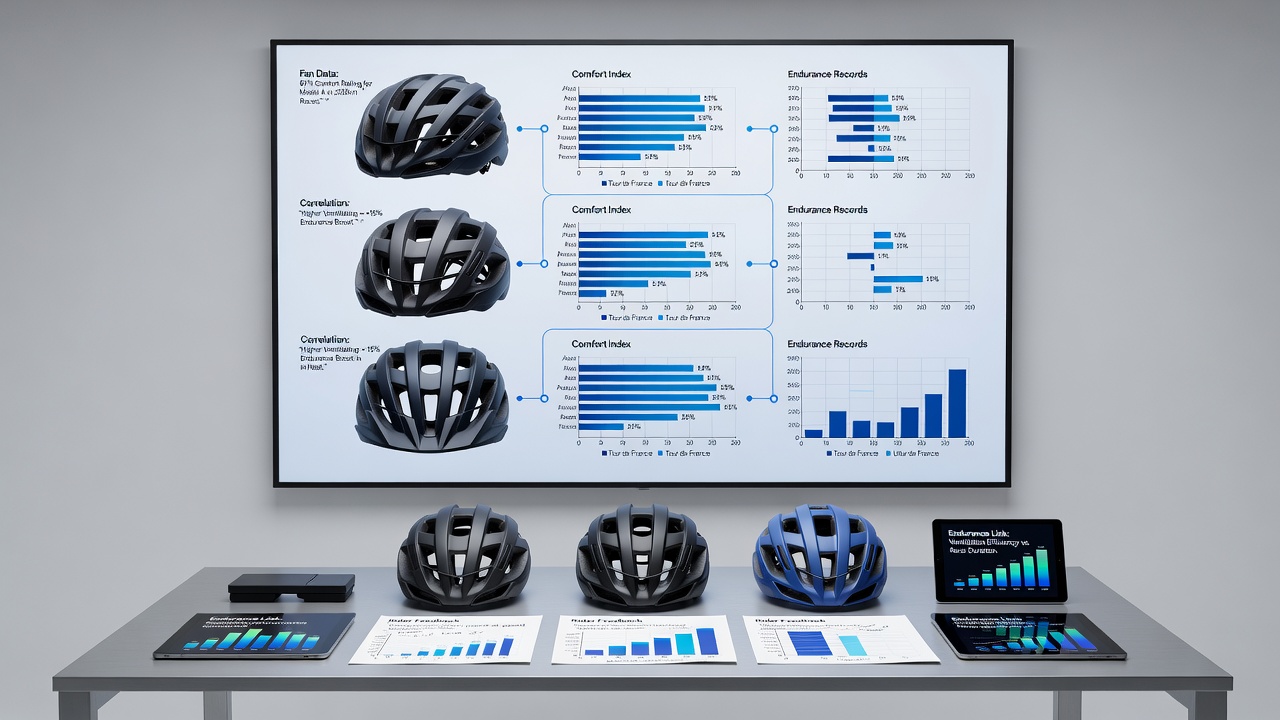
Community platforms have collected extensive datasets on cycling helmet ventilation designs, and these collections connect airflow patterns directly to recorded performance outcomes in ultra-endurance competitions. Observers note that participants upload temperature readings, sweat rates, and perceived comfort scores alongside official race results, creating traceable links between specific vent configurations and sustained effort levels over distances exceeding 200 kilometers.
Community Data Aggregation Methods
Groups on dedicated forums and review sites compile information from riders who complete events such as the Transcontinental Race or the Race Across America, and these aggregations sort helmets by vent count, channel depth, and exhaust port placement. Researchers have documented how contributors cross-reference their logs with heart rate variability data and finishing times, which produces searchable archives that highlight correlations without requiring laboratory conditions. In July 2026, updates to several shared databases incorporated entries from the newly completed Silk Road Mountain Race, where ventilation metrics aligned with recovery periods between stages.
Ventilation Design Elements Under Review
Designs featuring front intake vents paired with rear exhaust channels appear frequently in the compiled records, while those with internal channeling systems show distinct temperature regulation profiles during prolonged climbs. Data indicates that helmets with 15 to 25 vents maintain lower internal temperatures compared to models with fewer openings when tested across similar ambient conditions, and users document these differences through repeated rides on the same routes. Patterns emerge when multiple contributors report consistent reductions in core temperature spikes during the final 50 kilometers of events lasting more than 12 hours.
Connections to Recorded Endurance Outcomes
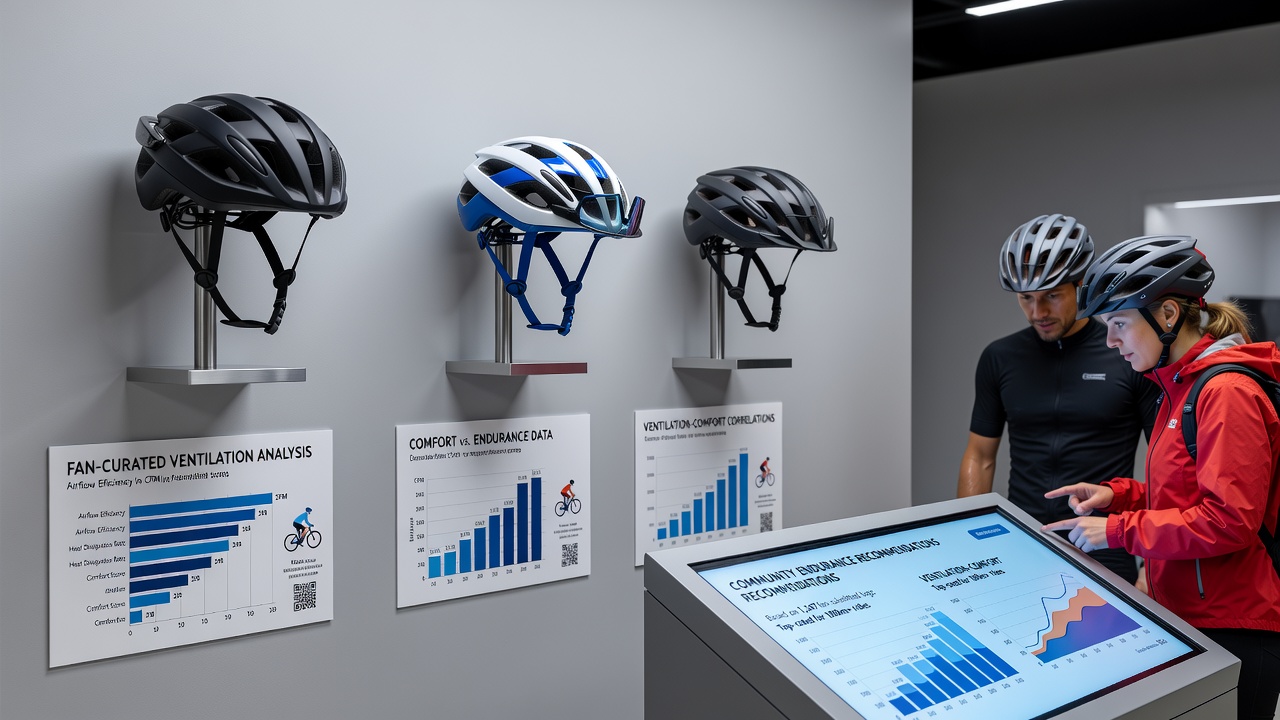
Archives reveal that riders using helmets with optimized ventilation completed segments of the 2025 Paris-Brest-Paris route with fewer stops for hydration adjustments, and these observations align with faster overall segment times in the shared datasets. Figures from multiple contributors demonstrate that internal helmet temperatures remaining below 32 degrees Celsius correlate with maintained power output percentages above 75 percent of threshold for extended periods. Community analysts have mapped these comfort indicators against official timing splits, which produces visual charts linking vent geometry to cumulative elevation gains managed without performance drop-off.
Regional Variations in Reported Data
Entries from European riders emphasize performance in cooler, wetter conditions where condensation management through vent placement affects sustained comfort, whereas contributors from Australian events focus on dust filtration alongside airflow during high-heat stages. Canadian long-distance participants have added data points from winter-to-summer transitions, showing how adjustable vent covers influence temperature stability across seasonal shifts. These geographic clusters allow cross-comparison of the same helmet models under differing environmental loads, and the resulting tables appear in public spreadsheets updated through 2026.
Analytical Tools Applied by Enthusiasts
Participants employ simple statistical overlays to match ventilation specifications against finishing position improvements year over year, and several groups publish summaries that isolate vent-related variables from other equipment factors. One analysis of 2024-2026 race archives showed a measurable association between rear vent surface area and reduced neck strain reports during descents after long ascents. Such examinations draw on public timing databases maintained by event organizers, which permits verification of the comfort-to-performance connections submitted by individual riders.
Future Data Integration Trends
Upcoming events scheduled after July 2026 will likely expand these collections as more riders adopt sensor-equipped helmets that log continuous temperature and humidity values. Existing platforms already accommodate uploads from GPS devices paired with basic environmental monitors, which refines the precision of comfort metrics tied to specific vent designs. Observers expect continued growth in the number of linked records as participation in multi-day races increases across additional continents.
Conclusion
The assembled fan-curated datasets demonstrate systematic connections between helmet ventilation characteristics and measurable endurance metrics across documented long-distance races. These community-driven comparisons continue to expand through ongoing contributions that align comfort indicators with verified race outcomes, providing structured references for equipment evaluation based on aggregated field observations rather than isolated testing.