Curling broom pad materials documented in team logs reshape sweeping approaches for granite ice surfaces in elite events
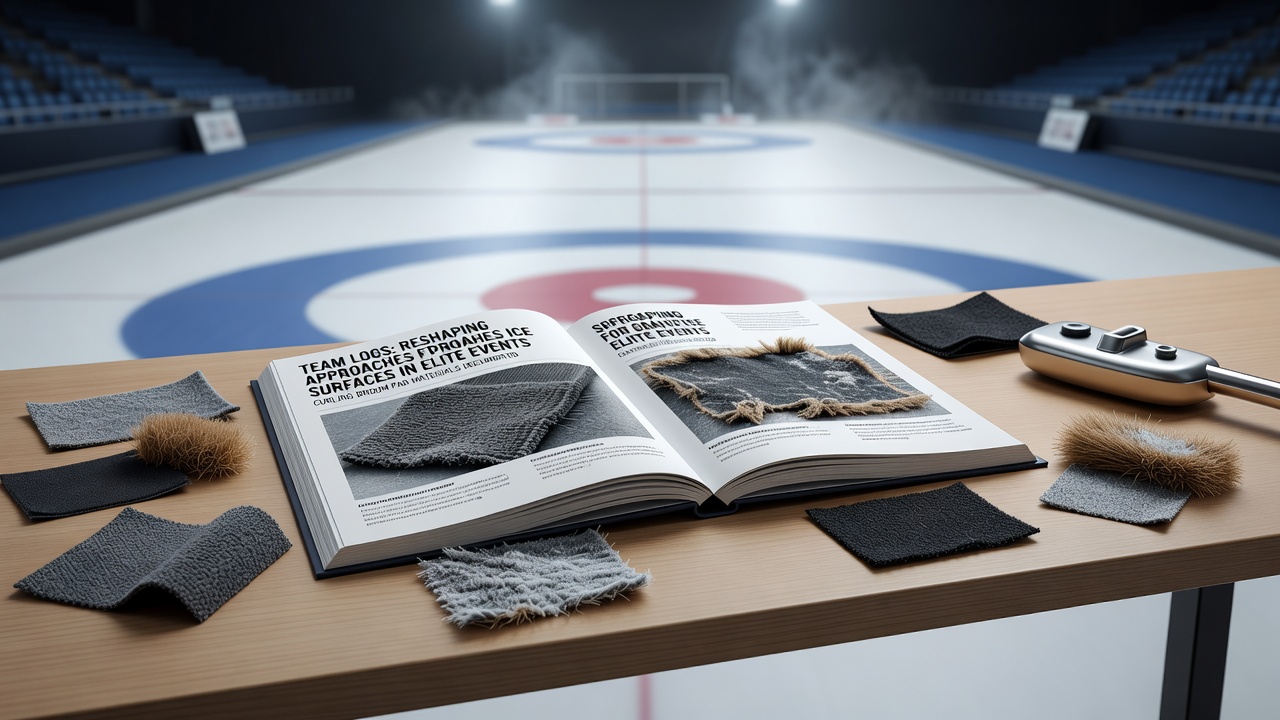
Team logs tracking curling broom pad materials have gained traction among competitive squads as they refine sweeping techniques for granite ice in high-level events, and data from these records shows measurable differences in stone behavior based on pad composition. Researchers note that synthetic fibers like polyethylene blends and nylon variants alter friction coefficients when applied to the ice surface, which in turn influences stone speed and curl radius during delivery.
Elite programs in Canada and Scotland have compiled extensive entries since the early 2020s, recording pad wear rates alongside stone travel distances on specific granite sheets at venues such as the Canadian Tire Centre and Perth Ice Rink. These logs reveal that harder pad surfaces reduce lateral movement by up to 12 percent compared with softer microfiber options, according to aggregated performance metrics shared through national federations.
Material variations and their documented effects
Pad constructions range from dense polyester weaves to hybrid materials incorporating carbon-infused threads, and logs from multiple squads indicate that each type produces distinct sweep patterns on the same granite base. One analysis compiled by coaches in Alberta documented how polyethylene pads maintained consistent contact pressure over longer sweeping intervals, while nylon alternatives required more frequent angle adjustments to achieve comparable stone deceleration.
Those who've studied these records observe that temperature fluctuations during matches further modify pad performance, with logs showing increased pad softening above minus two degrees Celsius that leads to altered ice melt rates beneath the broom head. Teams adjust sweeping pressure and stroke frequency accordingly, using historical entries to predict outcomes before stones reach the house.
Role of shared logs in technique adjustments
Community-driven archives have enabled squads to compare pad selections across events without relying solely on individual trial runs, and patterns emerging from these datasets point to optimized sweeping vectors for particular ice conditions. Data compiled ahead of the 2025 World Junior Curling Championships, for instance, highlighted how certain pad densities correlated with reduced stone deviation on slower granite surfaces common in indoor arenas.
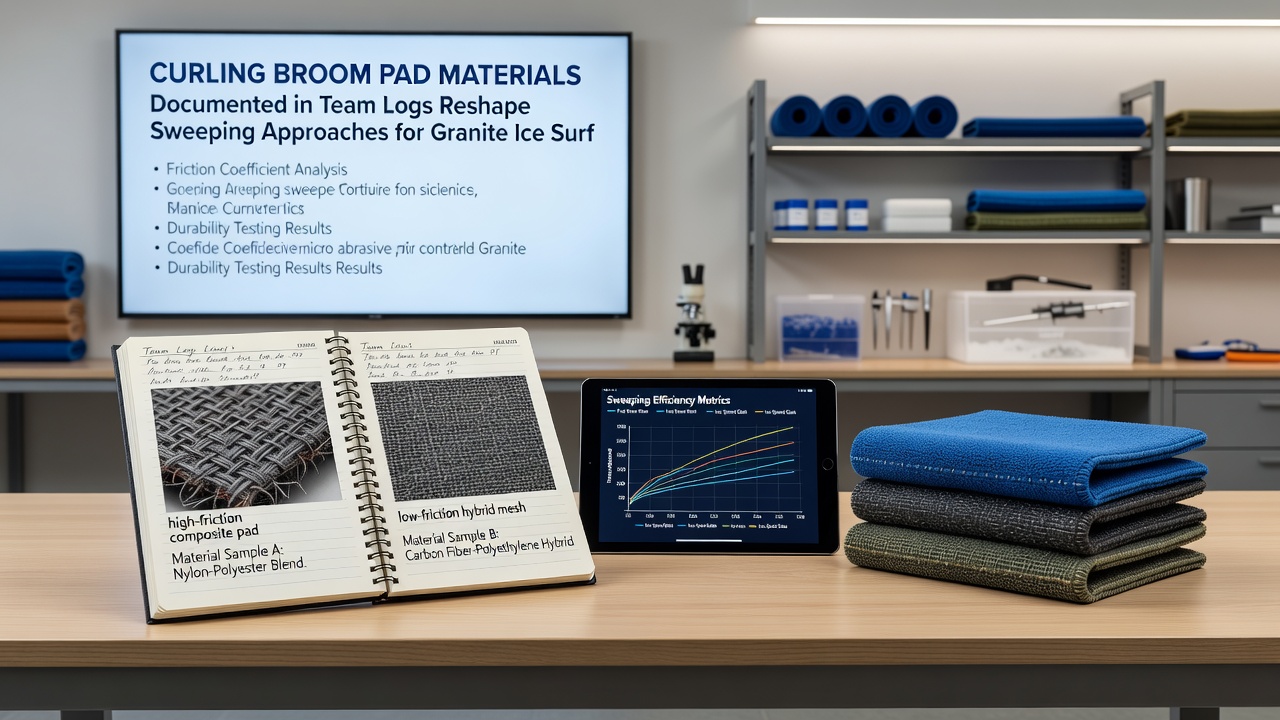
Coaches reference these entries to fine-tune athlete positioning and broom orientation, noting that pad edge profiles documented in the logs affect how much ice is disturbed in front of the stone. European squads have incorporated similar logging practices, with reports from the Swiss Curling Association indicating that teams using cross-referenced material data achieved more repeatable sweep outcomes during round-robin play.
Application in upcoming elite competitions
Preparations for events scheduled through June 2026 have incorporated log-derived insights, particularly as squads evaluate pad durability under extended match schedules at venues hosting continental qualifiers. Records from prior seasons show that certain hybrid pads exhibit lower degradation rates when used on pebbled granite, allowing sweepers to maintain consistent pressure throughout multiple ends without mid-game replacements.
National training programs now cross-reference these material logs with ice maintenance reports to calibrate sweeping strategies, and observers note that this approach has led to standardized protocols for pad selection based on expected ice hardness and ambient humidity levels at competition sites. World Curling Federation technical bulletins have begun referencing such aggregated findings in equipment guidelines distributed to member associations.
Future documentation practices
Continued expansion of digital log systems allows real-time updates during tournaments, while teams upload pad performance metrics alongside video timestamps for later analysis. Studies conducted at institutions in Norway have examined how these shared datasets correlate pad fiber orientation with stone rotation rates on granite, providing additional variables for sweep planning.
Log entries also track interactions between different pad types when used in tandem by sweepers on opposite sides of the stone, and results indicate that mismatched materials can produce uneven ice conditioning that affects final stone placement. Squads preparing for major events now review these combined records to establish consistent material pairings before competition begins.
Conclusion
Documentation practices centered on broom pad materials continue to influence sweeping methods across elite curling circuits, with team logs supplying concrete data on how specific compositions interact with granite ice surfaces. As more associations adopt structured recording systems, these archives provide a growing reference for technique refinement ahead of events extending into 2026 and beyond.