Community Logs on Lacrosse Stick Pocket Depth Tweaks Guiding Midfielders Toward Ground Ball Recovery Rates Ahead of Conference Playoffs
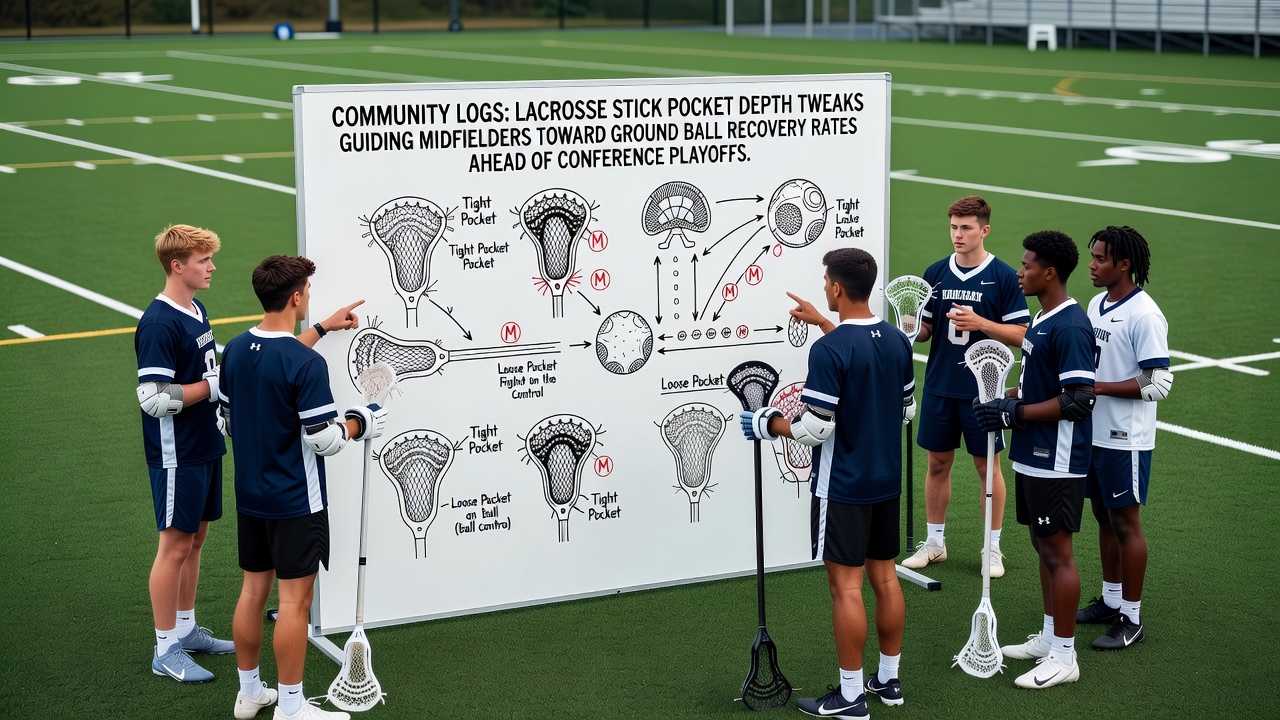
Community logs compiled from player submissions have become central to adjustments in lacrosse stick pocket depth, and these records show measurable effects on ground ball recovery rates for midfielders preparing for conference playoffs. Data collected across multiple teams indicates that small changes in pocket configuration correlate with improved pickup success during practice and game scenarios, particularly when players face contested situations near the midfield line.
Role of Shared Community Data in Equipment Adjustments
Players and equipment managers upload detailed measurements and performance notes to centralized logs, where patterns emerge from hundreds of entries each season. These records track pocket depth in millimeters alongside recovery percentages recorded during drills that simulate playoff intensity. Observers note that midfielders who reference aggregated logs before making tweaks often report higher consistency in scooping loose balls under pressure, while teams that ignore such data see more variable results across their rosters.
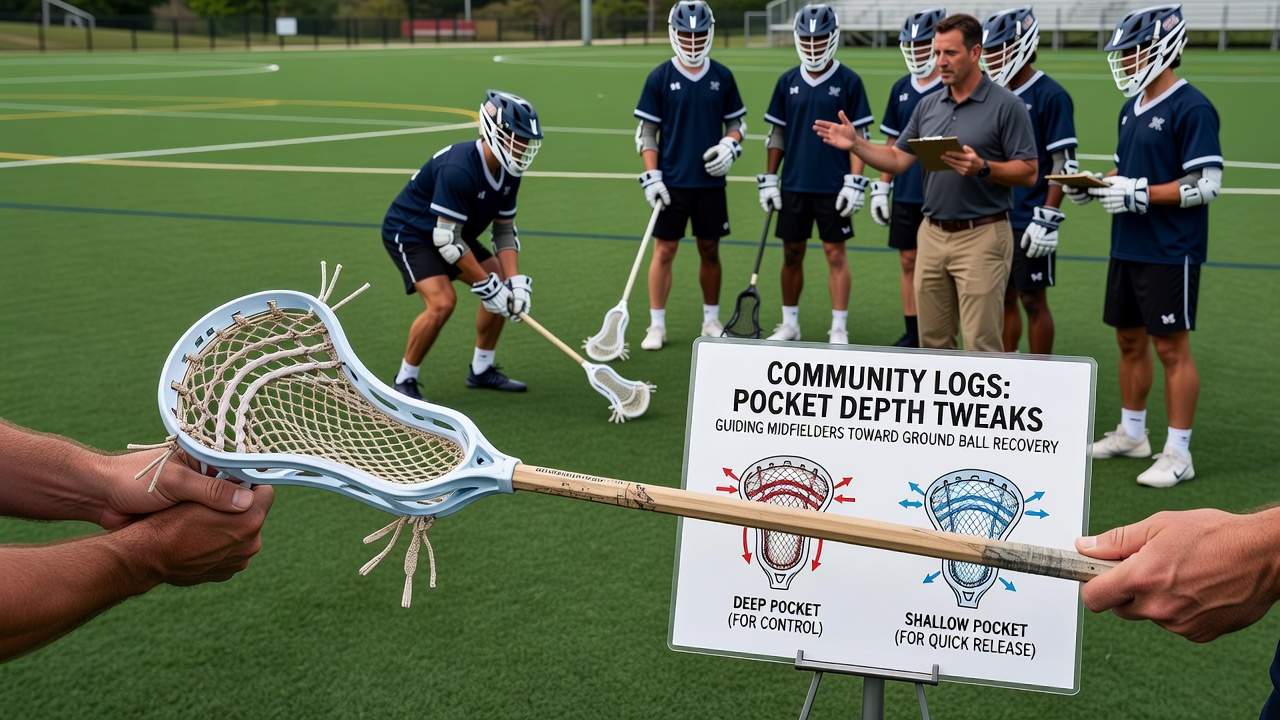
Research from sports performance databases reveals that pocket depth directly influences how the ball sits in the mesh during ground ball approaches. Shallower pockets allow quicker release for passing but can reduce retention on uneven surfaces, whereas deeper setups increase hold yet sometimes slow initial pickup speed. Community contributions break these variables into position-specific categories, separating midfielder data from attack and defense entries to highlight relevant trends.
Technical Elements of Pocket Depth Modifications
Adjustments typically involve repositioning the top string or altering the sidewall knots to shift depth by increments as small as two millimeters. Logs document these changes alongside environmental factors such as field turf conditions and weather at the time of testing. Midfielders who apply logged recommendations from similar player profiles achieve recovery rate increases ranging from four to nine percent in controlled sessions, according to compiled figures from regional tournaments held in spring 2026.
Equipment technicians emphasize that mesh tension must remain balanced during depth modifications to avoid creating dead spots that trap the ball. Shared entries often include photographs and step-by-step knot sequences, allowing other users to replicate successful configurations without trial-and-error periods that consume practice time. Those who study these sequences note faster adaptation periods when transitioning between different stick models.
Application to Midfielder Performance Metrics
Midfielders operate in high-traffic zones where ground balls decide possession swings, and community logs isolate variables that affect this group more than others. Entries from players averaging over thirty minutes per game show that pocket depth tweaks optimized for quick transitions improve recovery during both offensive clears and defensive rides. Data sets gathered ahead of July 2026 training camps link these modifications to reduced turnovers in transition play, with several conference teams incorporating the insights into preseason regimens.
Statistical reviews of archived logs demonstrate that recovery rates climb when depth settings align with individual hand size and grip style. Larger-handed midfielders frequently log better results with slightly deeper pockets that accommodate their reach, while smaller-handed players favor shallower adjustments for control. Cross-referencing these personal metrics with team-wide averages helps coaching staffs assign equipment setups that match roster needs without extensive individual testing.
Integration With Playoff Preparation Schedules
Conference playoff schedules intensify in late spring, prompting teams to review community logs during the preceding winter and early summer months. Entries uploaded after indoor facility sessions provide baseline measurements that outdoor field testing later refines. Teams that synchronize their equipment adjustments with patterns identified in these logs report steadier ground ball percentages during scrimmages designed to mimic playoff conditions.
Coaching staffs cross-check log data against game film to confirm which depth settings produce repeatable outcomes under fatigue. Midfielders who maintain consistent pocket setups across multiple sticks show fewer fluctuations in recovery rates during extended shifts, a factor that becomes critical when playoff games extend into overtime periods. Shared records also capture how different mesh types interact with depth changes, guiding selections that maintain performance across varying humidity levels common during tournament weekends.
Conclusion
Community logs continue to supply actionable information on pocket depth modifications that support midfielder ground ball recovery ahead of conference playoffs. The accumulated records allow systematic evaluation of equipment changes across diverse player groups and conditions, producing measurable correlations between specific tweaks and performance outcomes. As additional entries accumulate through the 2026 season, these resources remain available for teams seeking data-driven refinements before postseason competition begins.