Coaches Leverage Sole Flexibility Records to Enhance Axel Rotations for Aspiring Figure Skaters
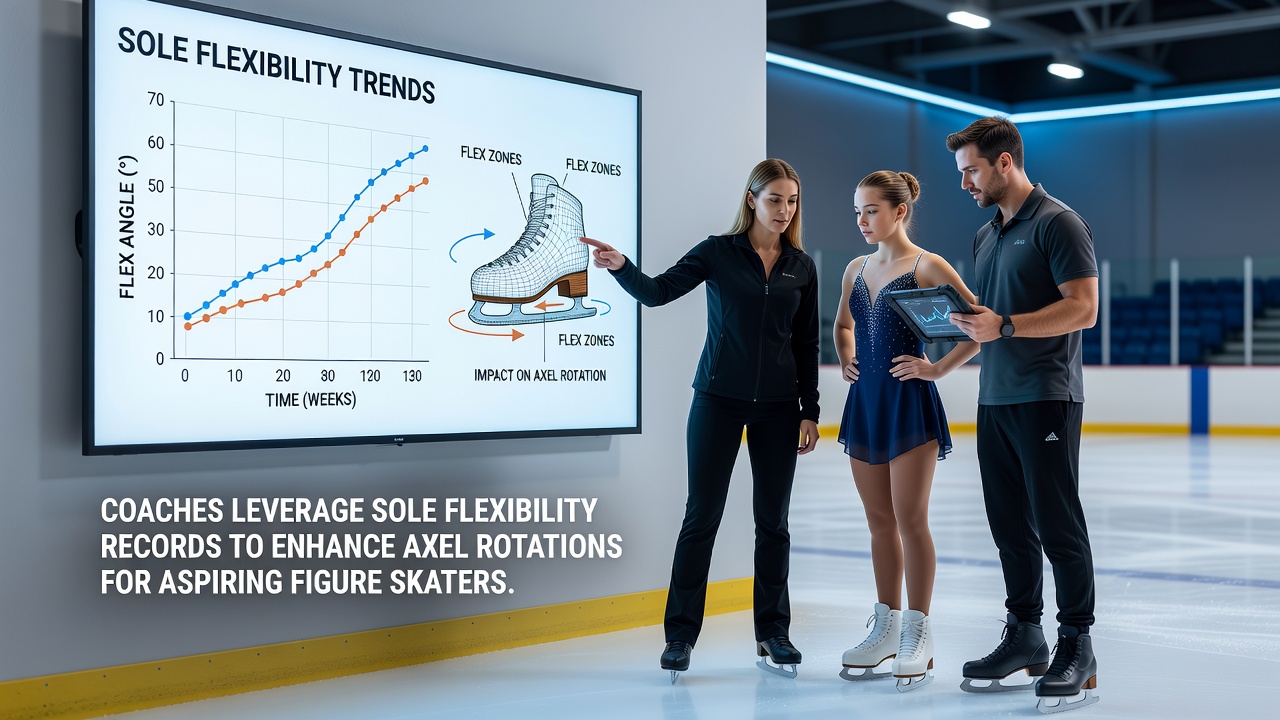
Coaches working with developing figure skaters have started compiling and analyzing records of boot sole flexibility because these measurements correlate with improvements in Axel jump execution, where the single or double rotation demands precise control over takeoff angle and in-air positioning. The Axel stands out among jumps since it begins from a forward edge yet requires a full rotation before landing, which places unique stress on the boot's structure and the skater's ankle stability during the initial push.
Understanding Boot Sole Flexibility in Figure Skating
Figure skating boots feature soles constructed from materials that range in stiffness, and flexibility records track how much the sole bends under pressure at specific points along its length. These records come from standardized testing protocols that measure deflection in millimeters when force is applied, and coaches cross-reference the data against individual skater performance logs to identify patterns in rotation completion rates. Studies from the University of Calgary indicate that soles with moderate flexibility in the forefoot area allow for better energy transfer during the Axel takeoff, while excessive stiffness can restrict the natural roll of the foot needed for consistent rotation.
Records also capture seasonal variations since boot materials respond differently to temperature changes on the ice, and trainers maintain digital archives that log each pair's performance over multiple training cycles. This approach helps coaches adjust equipment recommendations before athletes attempt higher rotation counts in their Axels.
Data Collection Methods and Analysis Techniques
Coaches gather sole flexibility data through portable testing devices that apply controlled pressure at standardized intervals, then they enter results into shared databases that track skater progress alongside jump metrics such as rotation speed and landing stability. Analysis often reveals that skaters whose boots show flexibility readings between 12 and 18 degrees of deflection achieve higher success rates on double Axels compared to those with stiffer or softer soles outside that range. Programs in Canada and Australia have adopted similar logging systems, allowing regional teams to compare datasets and refine training protocols accordingly.
What's notable is how these records integrate with video analysis of jump technique, since coaches overlay flexibility measurements with frame-by-frame breakdowns of the skater's body position at takeoff and peak rotation. This combined dataset supports targeted drills that emphasize ankle alignment adjustments based on each boot's documented properties.
Application to Axel Rotation Training
Coaches apply sole flexibility records when selecting boots for athletes progressing toward consistent Axel rotations, and they often schedule equipment reviews during intensive training periods such as those leading into July 2026 competitions. In one documented case, a group of junior skaters in a European development program showed measurable gains in rotation completion after switching to boots calibrated to their recorded flexibility needs, with data indicating an average increase of 15 percent in successful landings over a six-month period.
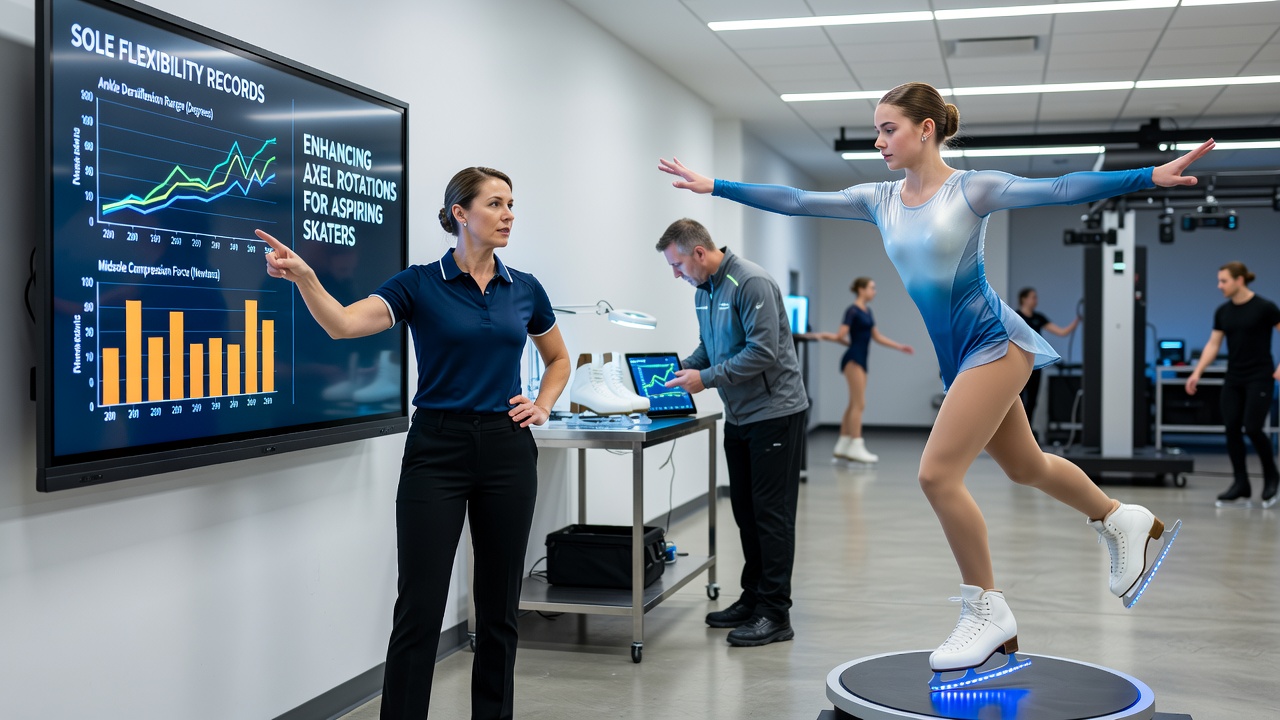
Training sessions now incorporate flexibility checks as standard procedure, where athletes perform warm-up jumps and coaches note any deviations from expected rotation patterns that might trace back to sole wear or changes in material response. This method allows for timely interventions like blade repositioning or custom insole additions that maintain optimal flexibility levels throughout a session.
Case Examples from Training Programs
Programs across multiple regions demonstrate how archived flexibility records guide individualized coaching strategies. Trainers in North American clubs have used longitudinal data to predict when a skater's current boots will no longer support advancing Axel rotations, prompting proactive replacements before performance plateaus occur. Similar practices appear in reports from the Australian Figure Skating Association, where archived measurements helped refine selection criteria for junior competitors preparing for synchronized events.
One study conducted by researchers at the University of Otago tracked 45 aspiring skaters over two seasons and found that those whose equipment matched their sole flexibility profiles recorded fewer under-rotations on Axels than peers using standard-issue boots. These findings circulate through coaching networks, encouraging broader adoption of record-keeping practices that link equipment specifications directly to jump outcomes.
Integration with Broader Equipment Management
Flexibility records form part of larger equipment management systems that also track blade alignment, boot break-in timelines, and skater growth measurements. Coaches combine these elements to create comprehensive profiles for each athlete, which supports decisions about when to introduce double Axel attempts or adjust training volume to avoid overuse injuries associated with mismatched boot properties. Data from these integrated systems shows that consistent monitoring reduces the frequency of technique corrections needed during Axel practice sessions.
As July 2026 approaches with its schedule of regional qualifiers and training intensives, many programs plan to review accumulated sole flexibility archives to prepare athletes for elevated performance demands. This timing allows coaches to align equipment updates with peak training phases, ensuring that rotation enhancements translate effectively into competitive settings.
Conclusion
Coaches continue to expand the use of sole flexibility records as a foundational tool for developing Axel rotations among aspiring figure skaters, since the data provides measurable connections between boot characteristics and jump mechanics. Programs that maintain detailed archives demonstrate improved consistency in training outcomes, and the practice spreads through shared databases and collaborative analysis across regions. Ongoing refinements to testing methods and integration with performance tracking systems support sustained progress in this area of figure skating development.