Club Databases of Rowing Blade Shapes Help Crews Refine Stroke Timing Before Championship Heats
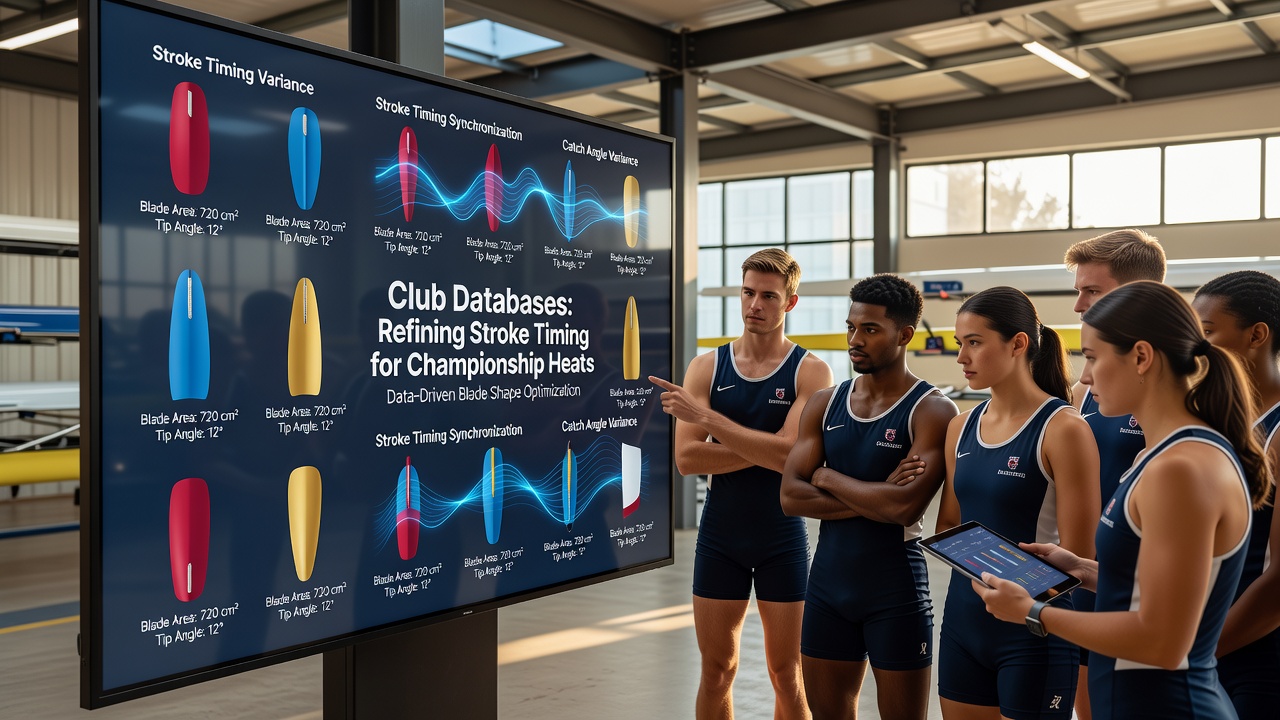
Rowing clubs maintain extensive databases that catalog blade shapes from various manufacturers and custom designs, allowing crews to analyze how different profiles affect water entry, propulsion phases, and recovery sequences in synchronized strokes. These repositories store measurements such as blade width, curvature angles, and surface textures alongside performance metrics collected during ergometer sessions and on-water trials, which crews access to adjust timing parameters ahead of major competitions.
Database Structures and Data Collection Methods
Clubs organize information into searchable categories that include blade models from established suppliers like Concept2 and Dreissigacker along with regional modifications developed by local engineers. Technicians record variables including entry angle deviations and catch timing offsets, then link these to crew split times and stroke rates measured at intervals of 500 meters. Data entry occurs through standardized forms that capture environmental conditions such as water temperature and wind speed, which helps isolate blade-specific effects from external factors during later reviews.
Coaches query the systems to identify patterns where certain blade shapes reduce the lag between port and starboard oars by fractions of a second, and crews test these insights on the water before locking in selections for heats. European federations contribute aggregated datasets from regattas held across the continent, while North American clubs add details from spring training camps that emphasize high-stroke-rate drills.
Application in Stroke Timing Refinement
Crews examine blade shape records to correlate specific geometries with improved synchronization during the drive phase, where even minor adjustments in blade pitch can shift the timing of peak force application by 0.05 seconds or more. Analysts cross-reference historical logs from previous seasons to predict how a switch from a standard tulip shape to a more elliptical profile might alter the rhythm needed for consistent boat speed across multiple strokes.
Training sessions incorporate database outputs by displaying recommended timing targets on boat-mounted displays, which rowers follow while coaches monitor real-time deviations through sensor arrays attached to the oarlocks. This process repeats across multiple outings until crews achieve measurable reductions in stroke-to-stroke variability, particularly in the transition from catch to finish.
Preparation for July 2026 Championship Events
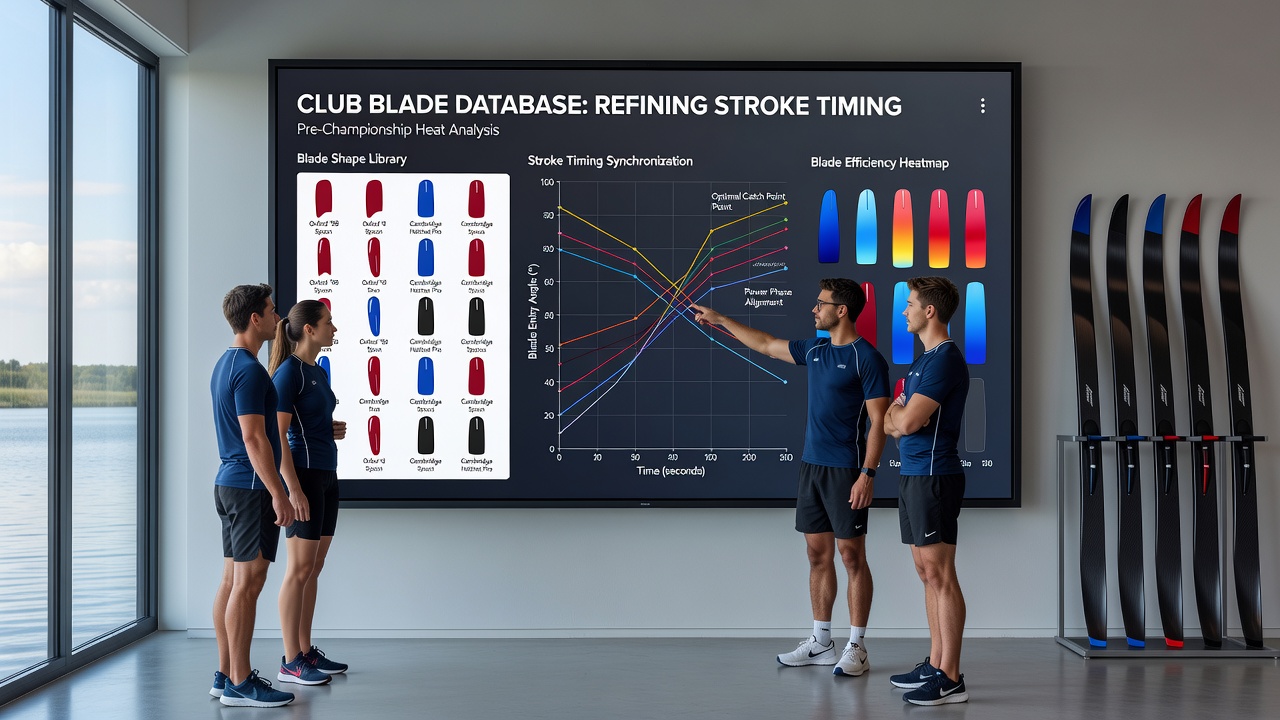
Leading into the July 2026 championship heats, clubs intensify database queries to finalize blade configurations that support the precise stroke timing required for qualification rounds. Records from prior international events, including those hosted by the World Rowing Federation, supply benchmarks for how blade shapes performed under similar race conditions, and crews simulate those parameters during domestic time trials.
One study conducted by researchers at the University of Sydney documented how Australian clubs used comparable archives to refine entry timing, resulting in documented improvements in boat acceleration during the first 100 meters of simulated races. Meanwhile, Canadian programs contribute datasets that emphasize cold-water adaptations, where blade shapes with reinforced edges maintain consistent catch timing despite increased drag from lower temperatures.
Coaches integrate these cross-regional findings into unified preparation plans, often sharing anonymized summaries through industry networks to accelerate collective knowledge without revealing proprietary crew strategies.
Integration with Sensor Technology and Analysis Tools
Modern club systems connect blade shape databases directly to motion-capture equipment and force sensors, generating visualizations that overlay timing graphs against selected blade profiles. Rowers review these outputs post-session to identify where adjustments in hand speed during the recovery phase compensate for shape-induced changes in propulsion efficiency.
Software platforms allow filtering by crew weight class or boat type, which narrows options quickly when preparing for events that feature multiple boat categories. Data from the Australian Institute of Sport supplements these tools with longitudinal studies that track how blade modifications influence long-term timing consistency across an entire racing season.
Conclusion
Club databases of rowing blade shapes continue to serve as foundational resources for crews seeking incremental gains in stroke timing precision before championship heats, with ongoing contributions from international sources enhancing the depth and applicability of available records. These systems support methodical refinement processes that combine historical performance data with current sensor readings, enabling targeted adjustments that align blade characteristics with crew synchronization goals.