Climbing Harness Webbing Durability Reports from Indoor Gym Regulars Shaping Purchase Patterns for Outdoor Multi-Pitch Ascents
Clara Neumann · Aug 8, 2026
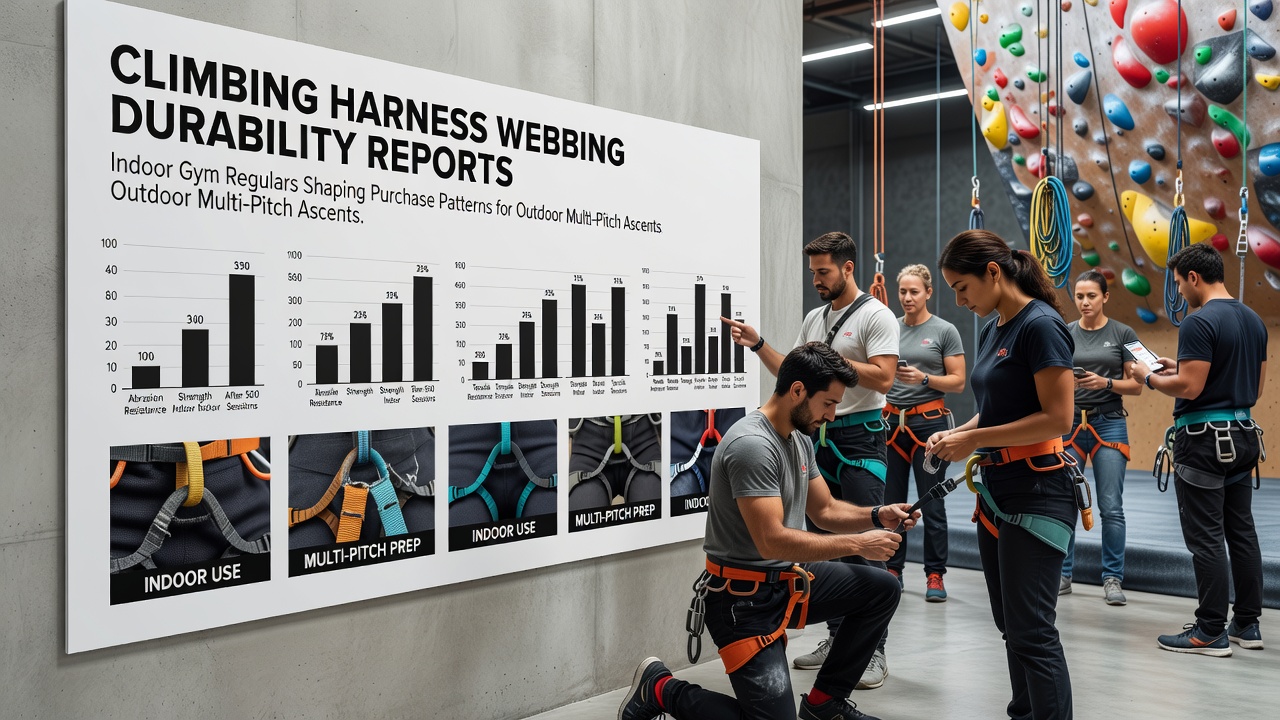
Climbing Harness Webbing Durability Reports from Indoor Gym Regulars Shaping Purchase Patterns for Outdoor Multi-Pitch Ascents
Indoor climbing facilities generate consistent data on harness webbing performance because participants log repeated sessions on the same equipment, and those records now feed directly into decisions about gear for longer outdoor routes. Observers note that gym regulars track abrasion points where ropes run across leg loops and waist belts during dynamic movements, while manufacturers receive aggregated feedback through warranty claims and online forums that detail stitch failures after specific numbers of hours on the wall.
Indoor Usage Patterns and Webbing Wear
Regulars at facilities across multiple regions submit reports that highlight how webbing holds up under friction from auto-belay devices and frequent falls, and these details spread through community platforms before the next purchasing cycle begins. Data from facilities in Canada and Australia shows that nylon webbing experiences measurable thinning after 150 to 200 hours of use when climbers rotate through routes that involve repeated clipping and unclipping motions, whereas polyester blends retain tensile strength longer under similar conditions according to independent testing by the International Mountaineering and Climbing Federation.
Researchers at university labs have examined samples collected from gyms and found that sweat absorption combined with chalk residue accelerates fiber breakdown in high-contact zones, yet the same studies indicate that harnesses rated for higher impact forces maintain structural integrity even after visible surface wear appears. Those patterns prompt indoor users to replace gear earlier than manufacturer guidelines suggest, and the replacement timelines then circulate among outdoor climbers who seek comparable longevity on multi-pitch terrain.
Transition from Gym Data to Outdoor Decisions
Multi-pitch ascents expose harnesses to additional variables such as rock abrasion and temperature swings, so buyers cross-reference indoor durability logs with field reports before selecting models for routes that span several hours. Community archives compiled by climbing organizations in the European Union document cases where indoor wear data predicted how certain webbing constructions would perform when loaded against sharp edges during rappels, and those comparisons now guide inventory choices at outdoor retailers.
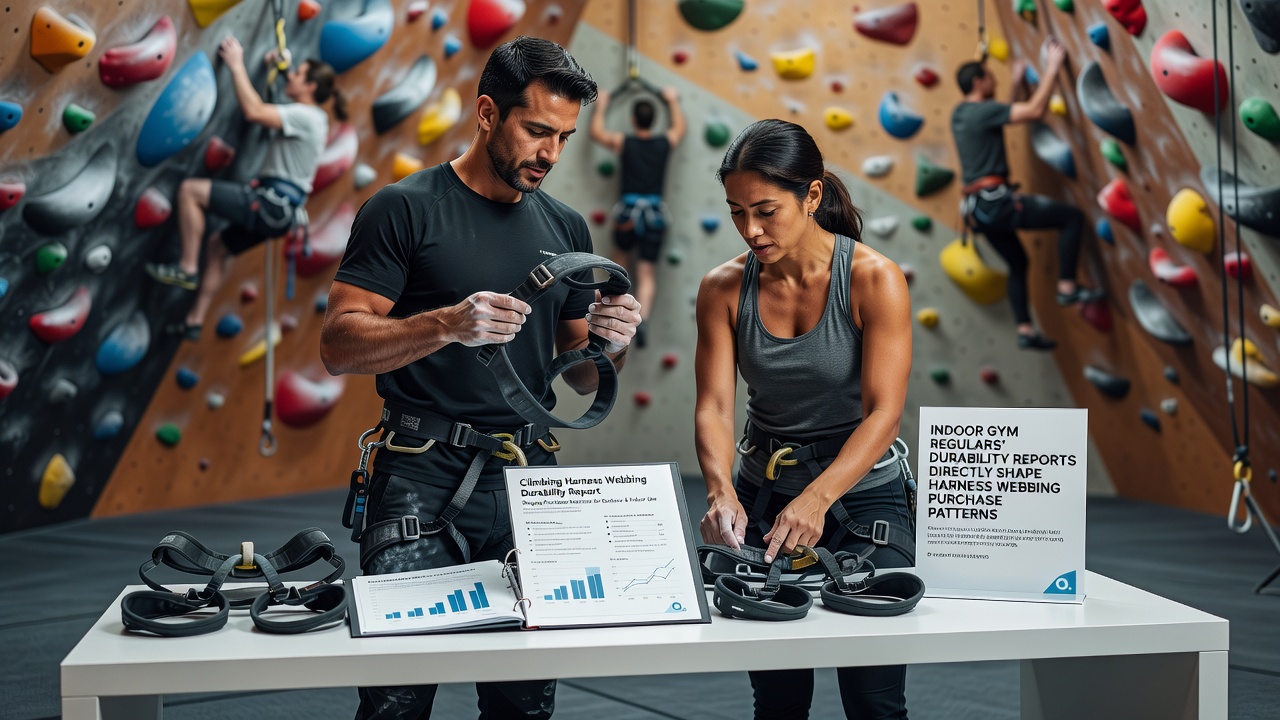
Purchase records from specialty shops reveal that models praised in gym forums for retaining stitch integrity after repeated dynamic loads sell at higher volumes during spring and summer seasons, while harnesses flagged for early fraying see reduced movement into outdoor markets. Analysts tracking sales through 2025 and into August 2026 note that climbers preparing for longer routes increasingly request specifications that match the most durable webbing constructions identified in indoor testing, and retailers adjust stock accordingly to meet that demand.
Material Specifications and Performance Metrics
Manufacturers publish tensile strength ratings and abrasion resistance numbers that align with the metrics gym users prioritize when sharing results, and independent laboratories verify these claims through standardized drop tests that simulate both indoor and outdoor scenarios. Evidence from reports compiled by the American Alpine Club indicates that webbing thickness above 1.5 millimeters correlates with fewer reported failures during extended sessions, while narrower constructions show accelerated wear when subjected to the same rope movements indoors before outdoor application.
Climbers who participate in both environments often compare harnesses side by side after transferring indoor observations to multi-pitch routes, and the resulting feedback loops refine the features that brands emphasize in subsequent product lines. Figures from trade associations show steady growth in harnesses featuring reinforced tie-in points and double-weave constructions, patterns that trace back to aggregated indoor durability logs rather than isolated outdoor incidents.
Community Platforms and Information Flow
Online databases maintained by regional climbing federations allow users to upload photos of worn webbing alongside usage hours and route types, creating searchable records that outdoor climbers consult when planning multi-pitch objectives. These archives include entries from participants in the United Kingdom and New Zealand that detail how specific brands responded to indoor abrasion reports by updating stitch patterns, and such updates then appear in product descriptions aimed at longer routes.
Retailers integrate these community insights into buying guides that list expected service life based on gym data, and customers reference those guides when selecting gear for routes that require multiple rappels and sustained body weight suspension. The circulation of this information occurs year-round, yet spikes appear before major climbing seasons when participants review equipment lists ahead of extended trips.
Conclusion
Indoor gym reports on webbing durability continue to supply measurable benchmarks that shape how climbers evaluate and acquire harnesses for outdoor multi-pitch ascents, with sales patterns reflecting the priorities established through repeated indoor observation and shared documentation. Manufacturers respond by highlighting constructions that match the performance metrics most frequently cited in those reports, while regulatory bodies and testing organizations maintain standards that incorporate both indoor and outdoor use cases. The resulting market reflects a direct link between controlled environment data and equipment choices for longer, more variable terrain.