Climber Harness Adjustment Logs from Online Forums Guiding Safety Protocol Updates for Indoor Gym Competitions
Alex Wagner · Aug 1, 2026
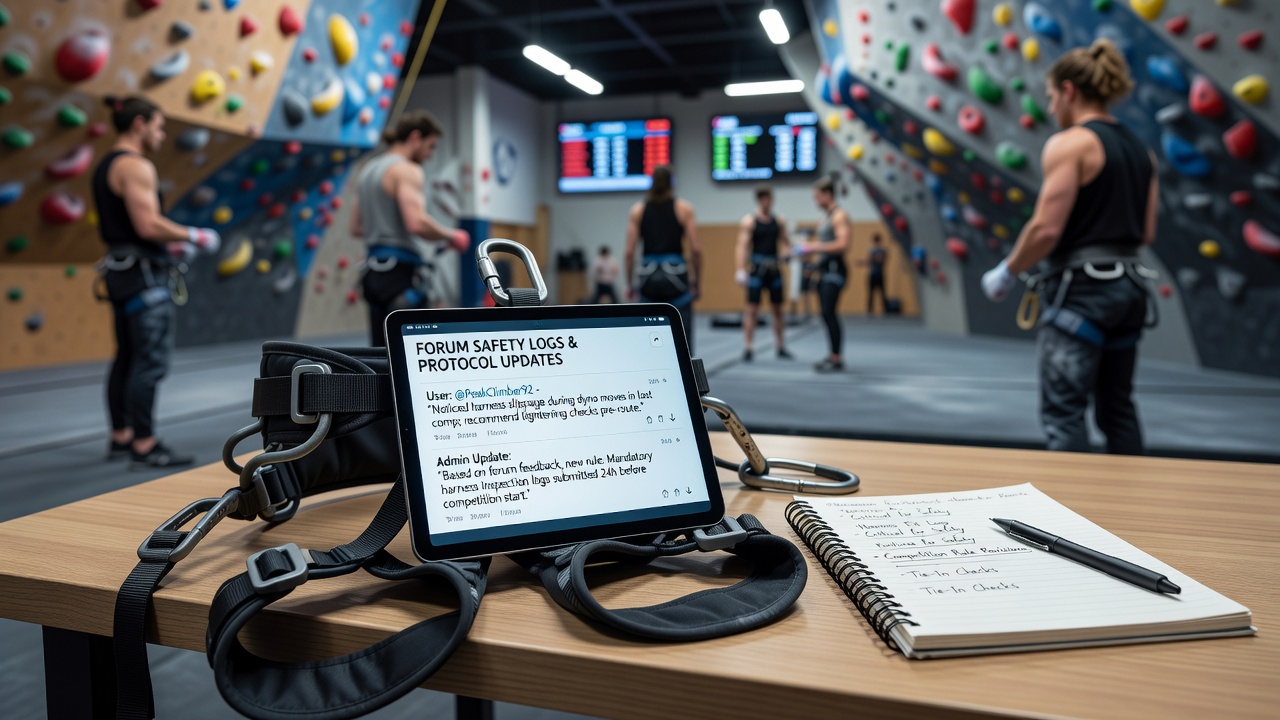
Climber Harness Adjustment Logs from Online Forums Guiding Safety Protocol Updates for Indoor Gym Competitions
Online forums dedicated to climbing have accumulated extensive records of harness adjustment practices, and these datasets now inform safety protocol revisions at indoor gym competitions across multiple regions. Participants document measurements such as leg loop positions, waistband tension levels, and buckle configurations under various load conditions, creating searchable archives that competition organizers consult when refining equipment standards. Data from thousands of logged sessions reveal consistent patterns in how adjustments affect stability during dynamic movements like dynos and heel hooks, prompting gyms to incorporate specific checkpoints into pre-event inspections.
Community-Driven Data Collection in Climbing Forums
Climbers contribute detailed entries on platforms that track adjustments over repeated sessions, noting factors like body type variations, rope diameter compatibility, and fabric stretch after extended use. These records include timestamped photos and quantitative notes on fit parameters, allowing analysts to identify trends such as preferred settings for athletes in the 60-70 kilogram range during speed climbing segments. Observers note that forums have evolved into structured repositories where users cross-reference experiences from different gyms, highlighting adjustments that minimize slippage without restricting circulation during prolonged hangs.
Researchers examining these archives find that certain adjustment sequences reduce pressure points reported in post-session surveys, leading to recommendations for standardized pre-competition checks. Gyms in Europe and North America have begun integrating forum-derived checklists that specify measurement tolerances for harness components, ensuring consistency across events scheduled through August 2026.
Influence on Indoor Competition Safety Protocols
Competition directors review aggregated forum logs to update harness inspection criteria, focusing on elements like double-back threading verification and adjustment retention under simulated fall forces. Records show that incremental changes to leg loop spacing correlate with fewer mid-route shifts, prompting protocols that require documented adjustments before each qualifying round. Those who manage events report that incorporating community-sourced guidelines has streamlined equipment checks while maintaining compliance with international standards set by bodies such as the International Federation of Sport Climbing.
Adjustments logged during training phases often translate directly into competition rules, particularly for categories involving mixed-gender or youth divisions where fit variability demands precise calibration. Data indicates that harnesses adjusted according to forum-shared benchmarks maintain integrity through higher volumes of attempts, supporting updates that emphasize real-time monitoring during August 2026 regional qualifiers.
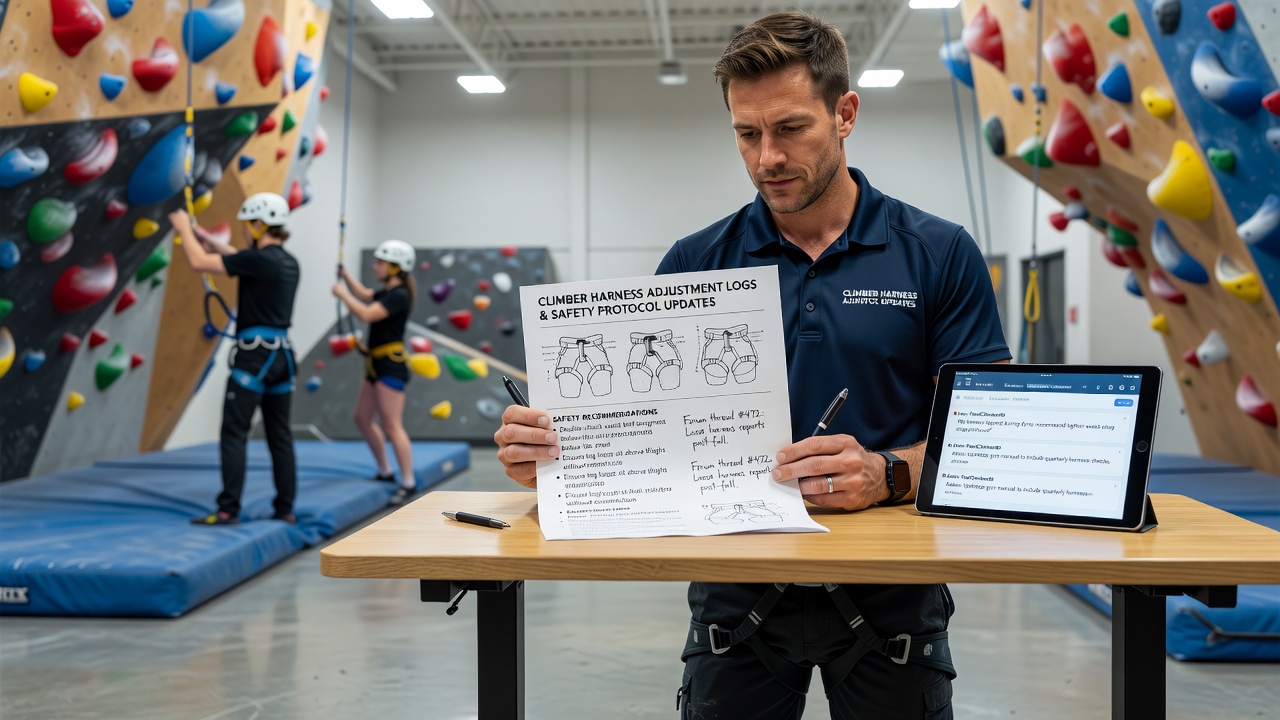
Case Examples from Forum Archives to Gym Implementation
One documented series from a prominent climbing discussion board detailed a sequence of waistband micro-adjustments that improved load distribution during overhang traverses, and several gyms adopted similar measurement protocols for their bouldering finals. Participants shared before-and-after metrics on hold time and recovery intervals, enabling organizers to establish baseline requirements for harness tension that align with observed performance data. Another archive highlighted regional differences in preferred buckle orientations, with contributors from Australia noting adaptations suited to humid environments that influenced protocol tweaks at facilities preparing for cross-continental events.
Gyms have cross-verified these insights against manufacturer specifications, resulting in hybrid guidelines that combine forum observations with technical testing. Records from 2025 sessions demonstrate that adherence to community-guided adjustments decreased instances of post-fall repositioning needs, and this evidence supports ongoing refinements ahead of major indoor meets.
Broader Patterns and Ongoing Developments
Analysis of forum trends reveals increasing emphasis on adjustable components that accommodate rapid weight fluctuations common among competitive climbers, leading to protocol additions that mandate verification of all movable parts during weigh-ins. Data compiled across multiple seasons shows correlations between consistent adjustment logging and reduced equipment-related delays in competition schedules. The climbing industry reports further illustrate how these community inputs integrate with certification processes from organizations operating in varied geographic zones.
Events planned for August 2026 incorporate expanded review periods where officials reference archived logs to anticipate common fit issues across diverse athlete cohorts. This approach allows for targeted training of inspection teams on patterns identified through sustained forum contributions, ensuring protocols evolve alongside documented user experiences.
Conclusion
Forum-based harness adjustment logs continue to supply actionable data that shapes safety enhancements at indoor gym competitions, bridging individual climber experiences with institutional standards. As archives grow through ongoing contributions, competition frameworks adapt by embedding these insights into inspection routines and equipment guidelines, fostering environments where documented practices support consistent athlete safety across upcoming events.