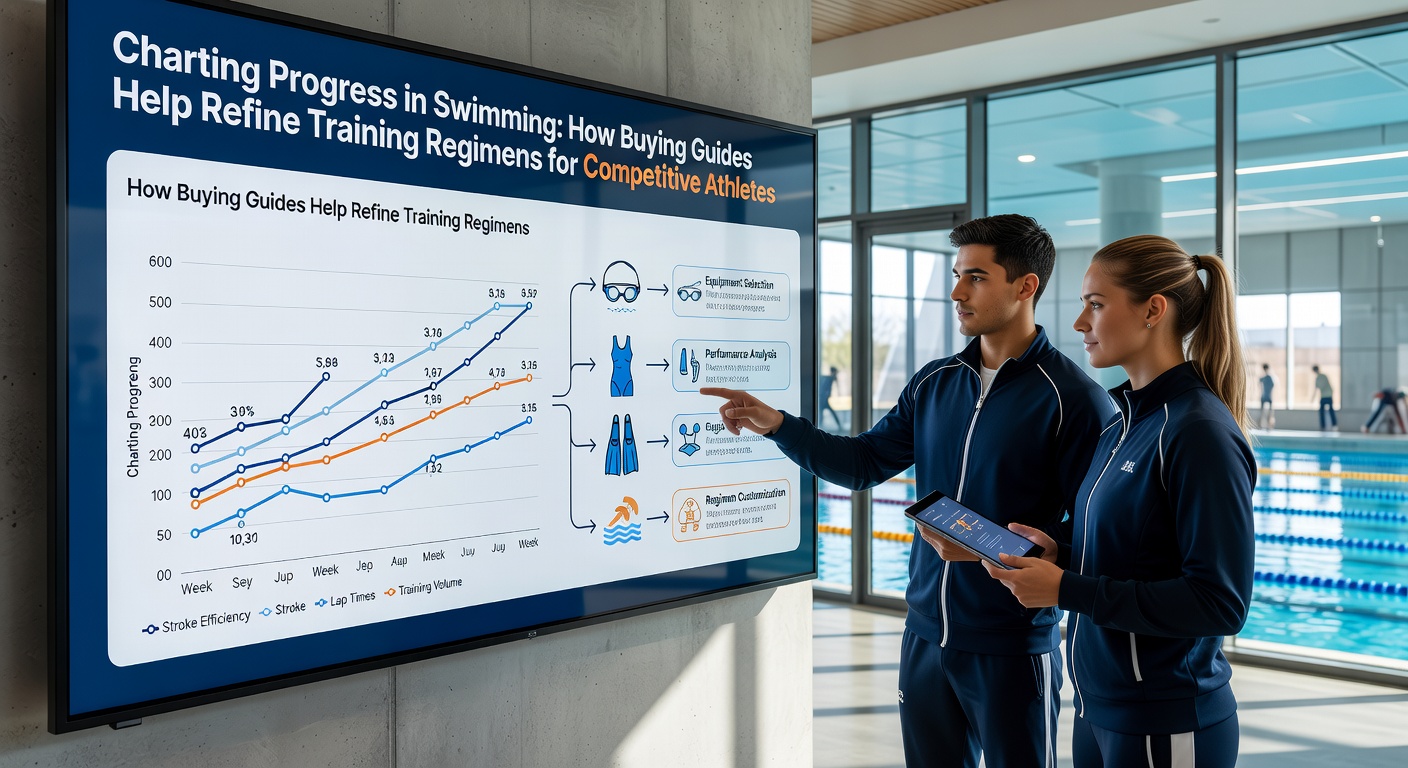
Charting Progress in Swimming: How Buying Guides Help Refine Training Regimens for Competitive Athletes
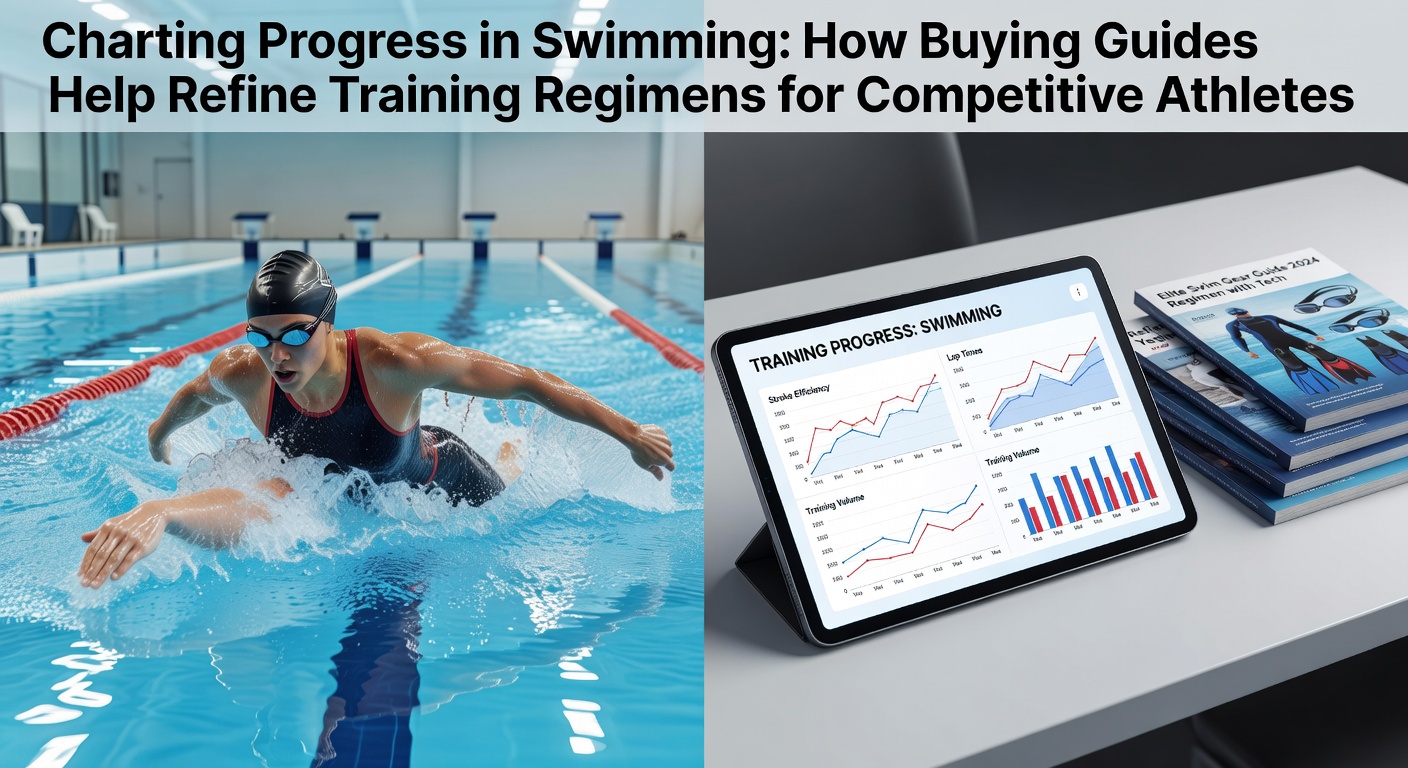 Competitive swimmers track their development through consistent data collection on stroke efficiency, endurance levels, and recovery times, while specialized buying guides provide structured evaluations of equipment that directly support these measurements. These resources compile specifications on items such as goggles, fins, paddles, and wearable sensors, allowing athletes and coaches to match gear features with individual performance baselines established during timed sessions. Research from aquatic sports organizations shows that swimmers who integrate guide-recommended tools often maintain more accurate logs of lap times and heart rate zones across multiple training cycles.
Equipment Selection and Performance Metrics
Buying guides break down technical details including drag coefficients for swim caps, lens tint options for varying light conditions in indoor versus outdoor pools, and resistance levels in training fins. Athletes use this information to select products that align with specific goals, such as improving underwater dolphin kicks or maintaining consistent pacing during interval sets. Data collected through associated apps or manual recordings then feeds into progress charts that highlight improvements in split times or reduced stroke counts per length. Observers note that guides frequently reference testing protocols where products undergo trials for durability in chlorinated water and compatibility with timing systems. For instance, entries on heart rate monitors detail integration with poolside displays, which enables real-time feedback during sets of 100-meter repeats. This connection between gear choice and measurable outputs helps refine weekly regimens by adjusting volume or intensity based on recorded trends rather than estimates alone.Data Integration in Daily Training
Training regimens for elite swimmers incorporate multiple variables tracked through selected equipment, and buying guides outline how features like GPS-enabled watches or resistance bands contribute to those datasets. Swimmers record parameters such as average speed per stroke and oxygen uptake estimates, then compare weekly aggregates to identify plateaus or gains. Reports from international federations indicate that structured equipment evaluations support more targeted adjustments, particularly when preparing for qualification events. In practice, a guide might compare several models of pull buoys by their buoyancy ratings and impact on body position, which directly affects drag measurements taken during video analysis sessions. Athletes then incorporate the selected buoy into drills focused on core stability, logging changes in effort levels through associated software. This approach creates layered records that extend across months of preparation, revealing patterns in how specific gear influences energy expenditure during high-intensity intervals.