Boxers Glove Padding Evaluations Shared Among Trainers Shape Championship Purchase Decisions
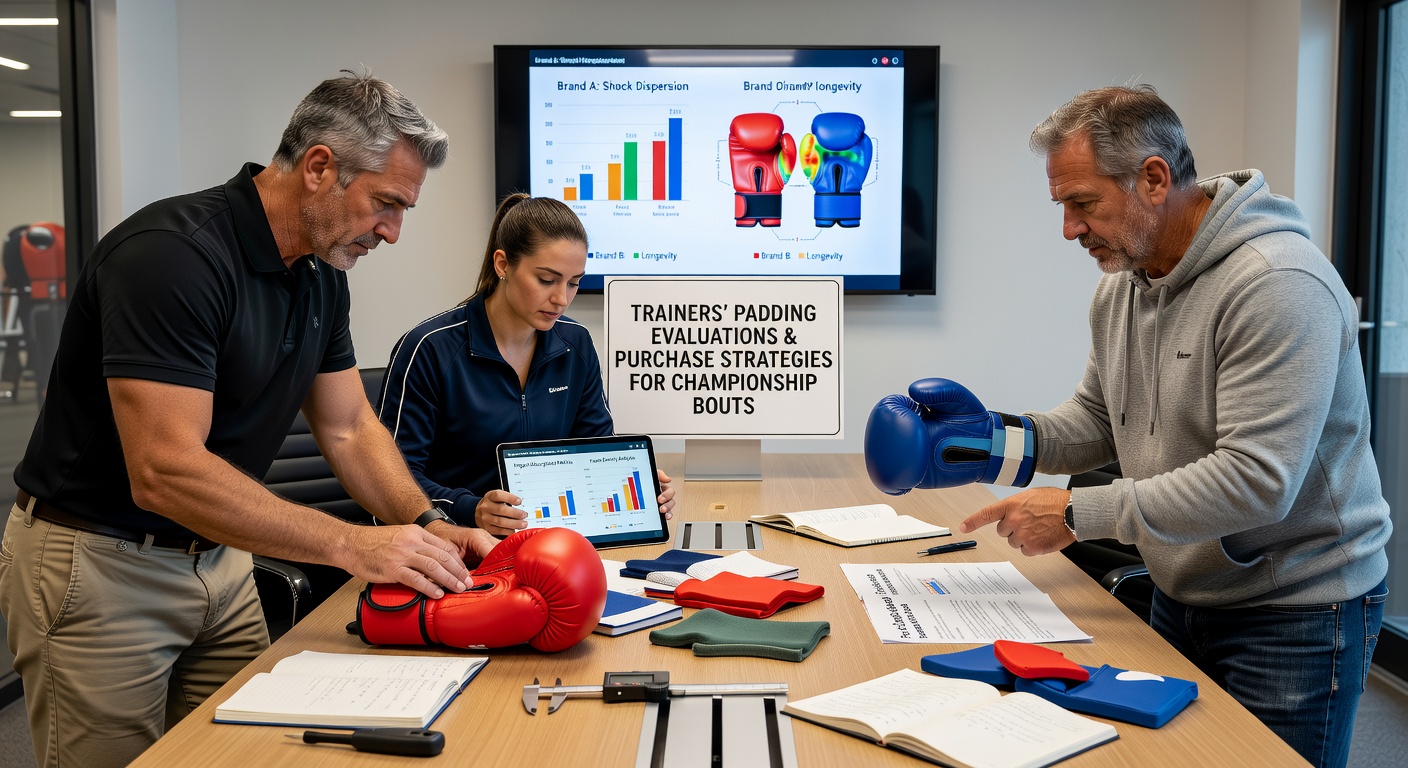
Boxing trainers exchange detailed assessments of glove padding through private networks and digital platforms, and these exchanges directly influence equipment acquisitions ahead of major title fights. Trainers document factors such as foam compression rates, impact distribution across the knuckles, and long-term material degradation after repeated sparring sessions. Such data circulates among coaches preparing fighters for bouts scheduled through mid-2026, including events anticipated in June of that year.
Trainer Networks and Data Exchange Methods
Coaches maintain closed groups on secure messaging apps where they post measurements from standardized drop tests that simulate punch forces between 800 and 1200 Newtons. One trainer who works with welterweight contenders noted that padding evaluations from three separate gyms revealed a 15 percent difference in energy absorption between two popular 10-ounce models after 200 rounds of use. These reports travel quickly because trainers coordinate travel schedules for camps that converge weeks before championship dates.
Regional federations contribute when they release anonymized injury statistics tied to specific glove constructions. Figures released by the Association of Boxing Commissions in the United States show lower incidence of metacarpal fractures when fighters used gloves with multi-layer latex foam cores versus single-density polyurethane. Trainers cross-reference those numbers against their own sparring logs before placing bulk orders.
Key Metrics in Padding Evaluations
Padding thickness receives the most attention because sanctioning bodies enforce minimums yet allow variation in construction. Trainers measure uncompressed depth at the impact zone and again after 50 rounds of controlled hitting. Data shared in these circles often includes Shore hardness readings that indicate how quickly foam returns to shape. A study conducted at the Australian Institute of Sport tracked 12 professional gloves over six months and recorded average hardness increases of 22 percent in models exposed to high humidity environments.
Weight distribution also factors into decisions. Even gloves labeled at the same ounce rating can place differing amounts of mass toward the wrist cuff versus the striking surface. Trainers who share side-by-side photos of cutaway samples help peers identify models that maintain balance while meeting padding requirements.
Influence on Pre-Bout Purchasing
Purchase timing tightens as fight dates approach. Teams typically finalize glove selections six to eight weeks before weigh-ins to allow break-in periods. Shared evaluations reduce trial-and-error spending because trainers already possess comparative data on how padding performs against specific opponent styles. Fighters who favor volume punching often receive recommendations for gloves with softer outer layers that dissipate force across larger surface areas, whereas power punchers receive models with firmer cores that transfer energy more directly.
Supply chain considerations enter the picture when trainers learn through peer reports that certain imported batches contain inconsistent foam batches. One European camp switched suppliers three weeks before a June 2026 eliminator after receiving photographs showing visible delamination in gloves that had been stored in a warehouse for four months. Advance knowledge prevented last-minute substitutions that could have triggered commission inspections.
Case Examples from Recent Camps
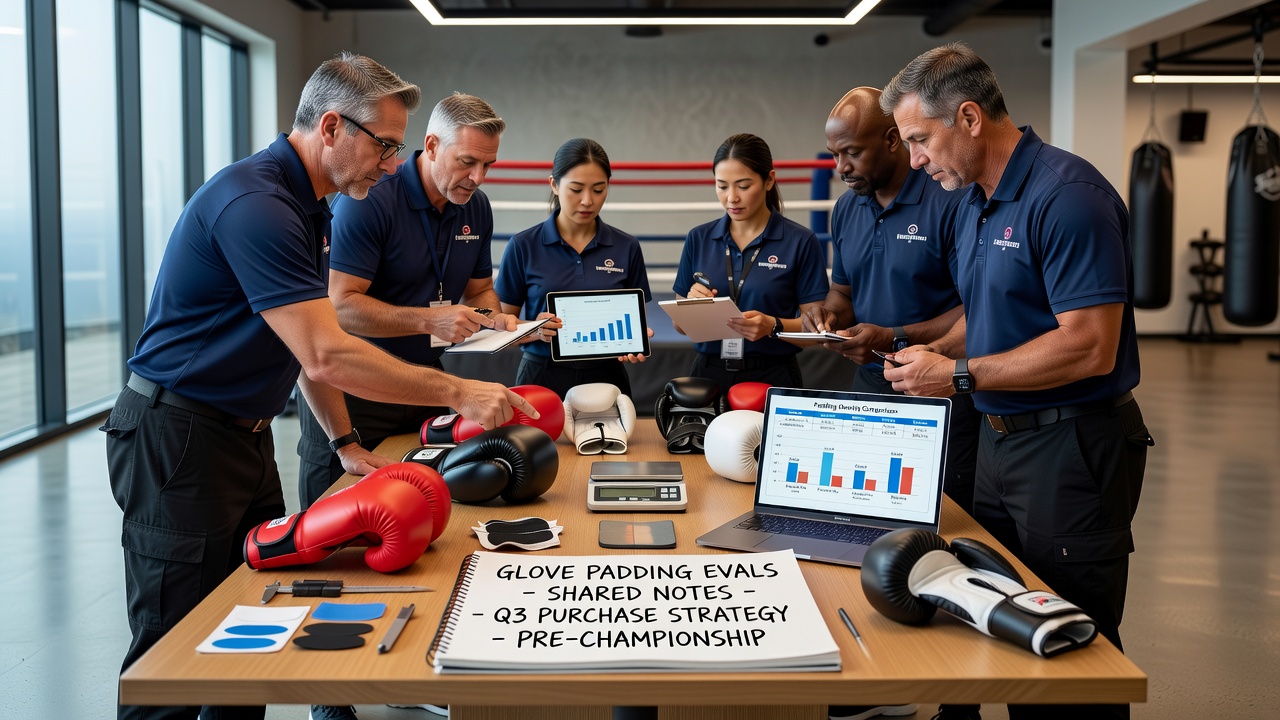
Take the preparation period for a light heavyweight title defense in Las Vegas. Three trainers pooled results from 90-round tests conducted at different elevations. The combined dataset showed that gloves with gel inserts retained 8 percent more padding volume at 5,000 feet compared with standard foam, prompting the defending champion's team to order 40 pairs in advance. Similar coordination occurred among trainers working with European middleweight prospects who faced humid conditions in Southeast Asian venues. Shared humidity chamber results led several camps to select gloves with moisture-wicking liners that maintained padding integrity through extended rounds.
Equipment managers at larger promotional outfits now maintain internal databases populated by these trainer reports. The information helps them forecast inventory needs for fighters advancing through mandatory challenger pathways toward 2026 championship calendars.
Regulatory and Safety Context
Boxing commissions require gloves to pass drop-test protocols before approval for title bouts. Trainers who circulate evaluation summaries help identify models that consistently pass these thresholds across multiple shipments. Organizations such as the European Boxing Union publish updated lists of certified constructions, and trainers incorporate those lists into the same spreadsheets they use for internal testing notes. This overlap streamlines compliance checks during pre-fight equipment verification.
Researchers at several universities continue to examine how padding density correlates with long-term hand health. Their published datasets provide additional reference points that trainers add to community-shared files, particularly when preparing fighters for high-volume schedules that extend through summer 2026 events.
Conclusion
Boxing glove padding evaluations travel through established trainer networks and directly shape acquisition timelines before championship contests. Objective measurements of compression, hardness, and durability guide selections that satisfy both regulatory standards and individual fighter requirements. As June 2026 approaches, these shared records continue to inform decisions across multiple weight divisions and geographic regions.