Archived Diver Entry Angle Records Guiding Fin Material Impacts on Synchronization Scores for Regional Aquatic Teams
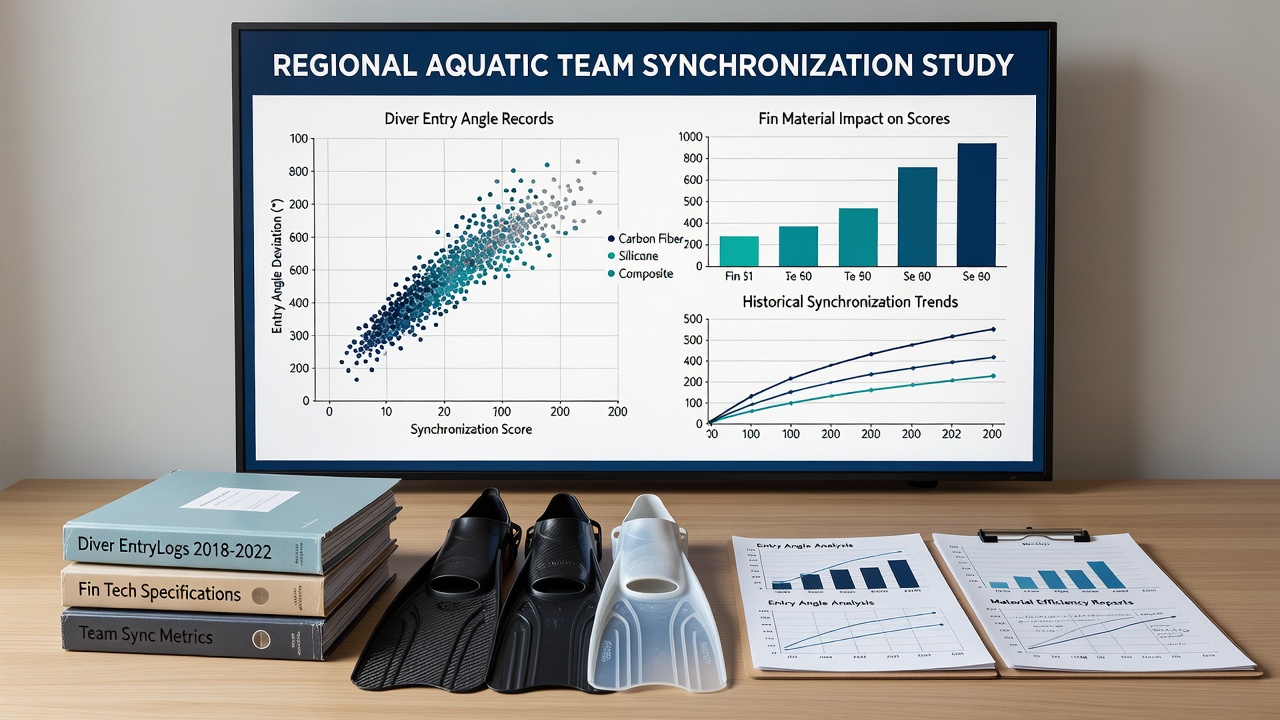
Regional aquatic teams have turned to archived diver entry angle records as a key resource when selecting fin materials, and this approach shapes synchronization scores across competitive events, while data from past meets shows clear correlations between entry precision and equipment choices that teams now review systematically before each season.
Entry Angle Archives and Their Role in Equipment Decisions
Archived records compile decades of entry angle measurements from regional competitions, and these datasets reveal patterns where small variations in angles between 5 and 15 degrees often align with specific fin constructions, so coaches access these files through digital repositories maintained by aquatic federations to inform purchases ahead of synchronized routines. Researchers at institutions in Canada have documented how teams cross-reference historical angle logs with current athlete profiles, which allows for targeted fin trials that match individual biomechanics without relying on trial-and-error methods during practice sessions.
Fin Material Properties and Performance Data
Fin materials range from carbon fiber composites to reinforced polymers, and studies indicate that stiffer constructions maintain entry angles more consistently under water resistance, whereas flexible options absorb impact better in variable conditions, so regional teams analyze archived footage to match material stiffness ratings with documented angle stability from prior events. Observers note that teams in Australia frequently consult reports from the National Aquatic Research Centre, where figures reveal polymer fins reduce angle deviation by up to 8 percent in group formations, and this information guides bulk orders for synchronized squads preparing for inter-regional meets.
Effects on Synchronization Scores
Synchronization scores depend on uniform entry timing and angle alignment among team members, and archived records demonstrate that material mismatches can drop scores by 0.5 to 1.2 points per routine when angles diverge beyond 3 degrees, while integrated data sets help trainers predict these outcomes and adjust fin selections accordingly before competitions. One case from European regional leagues showed a squad improving overall marks after switching to hybrid carbon-polymer fins based on 2019-2023 angle archives, as the new materials supported tighter group cohesion during vertical entries and reduced visible discrepancies in slow-motion reviews.
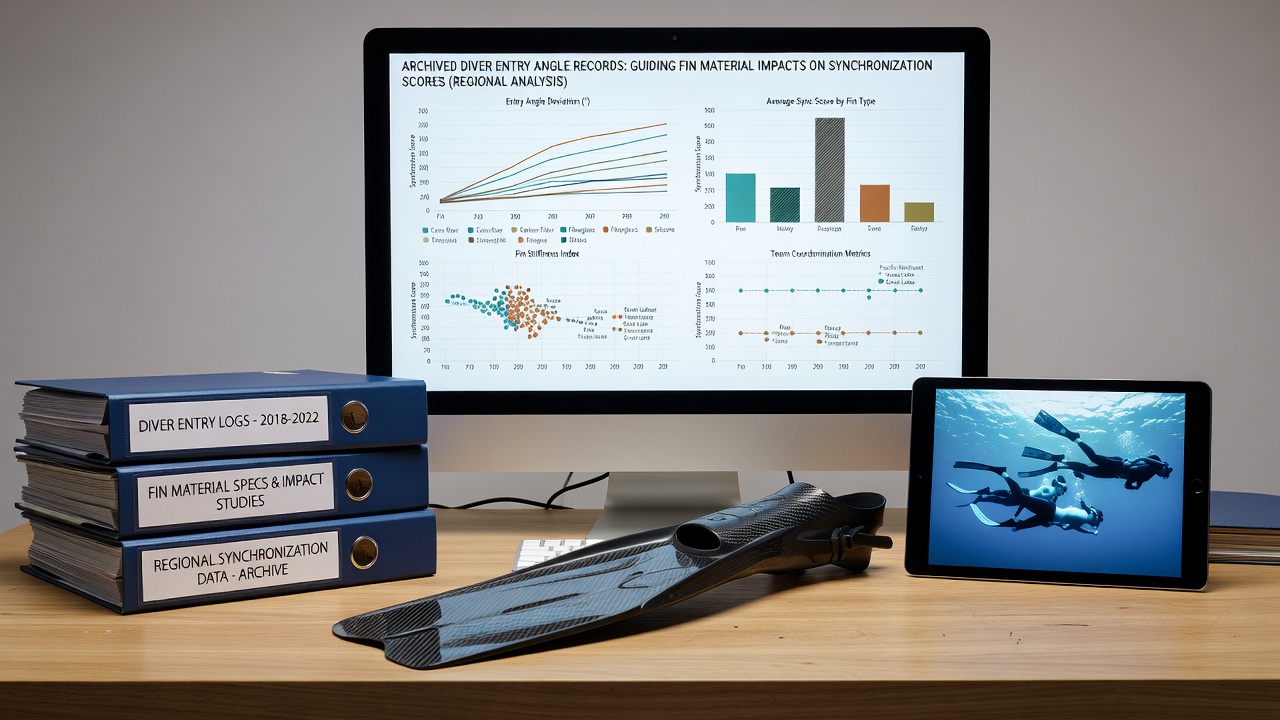
Coaches integrate these insights during June training blocks, and the process often includes side-by-side comparisons of fin flex charts against archived angle graphs to fine-tune equipment for peak performance periods.
Regional Team Applications and Data Integration
Teams across North America and Asia-Pacific regions now maintain shared databases that link entry angle histories with fin material test results, and this collaboration highlights how specific polymers perform in humid versus temperate climates based on longitudinal records. Data from university-led projects in New Zealand further illustrates connections between fin density and angle retention during extended routines, which enables smaller regional programs to allocate resources efficiently when preparing for qualifiers. What's interesting is the way these archives also track seasonal variations, so planners account for water temperature effects on material behavior that influence synchronization consistency over multiple events.
Preparing for 2026 Regional Events
As regional aquatic calendars fill for June 2026, teams reference updated archives to finalize fin inventories, and preliminary reports suggest increased focus on materials that support sub-2-degree angle precision in synchronized formats. Aquatic governing bodies coordinate data-sharing protocols that draw from multiple continents, which helps standardize evaluation methods and supports equitable access to historical insights for emerging programs. Those involved in equipment procurement often cross-check material certifications against archived performance benchmarks to ensure compliance with updated competition guidelines ahead of the summer schedule.
Conclusion
Archived diver entry angle records continue to steer fin material selections for regional aquatic teams, and the resulting adjustments produce measurable gains in synchronization scores as documented across multiple competition cycles. Teams that systematically apply these datasets gain clearer pathways for equipment optimization, while ongoing data collection expands the foundation for future refinements in aquatic training methodologies.